Build a Container Image from Scratch - Understanding Docker Image Components
Dive into the step-by-step process of manually creating container images, understanding their core components, layers, metadata, and configuration while learning to build and run them without Docker.
Possibility of Dynamic Rebalance in Multi-node HPC Vehicle Environment for SDV
Explore dynamic rebalancing strategies for Software-Defined Vehicles (SDV), focusing on edge orchestration challenges and solutions in multi-node HPC environments with mixed-criticality systems.
Bug Hunting in Distributed Systems: Using Robustness Tests to Test Your Code Better
Master robustness testing techniques for distributed systems through failure injection methods, focusing on Jespen framework principles and etcd's testing implementation for catching real-world scenarios and data consistency issues.
eBPF-Powered Observability for Sustainable Computing
Discover how to build eBPF-powered observability solutions for sustainable computing, optimizing AI/ML workloads on Kubernetes to reduce energy consumption and environmental impact while maintaining performance.
Using Kuttl to Improve E2E Testing and Release Faster
Master Kuttl implementation for streamlined E2E testing, enabling efficient local test environments and reducing build failures in development workflows. Learn practical strategies for improved CI integration.
Software Defined Hardware Accelerated Data-Centric Computing and Networking Service
Explore software-defined PCIe devices and their integration with OpenShift/Kubernetes platforms, focusing on networking, storage, and AI functions in composable infrastructure for efficient data management.
Dynamic Scaling of GPUs for Container Apps with Composable Disaggregated Infrastructure for AI Era
Explore dynamic GPU scaling in containerized environments using Composable Disaggregated Infrastructure (CDI), focusing on efficient resource allocation and energy optimization for AI workloads.
The Telemetry of Trust - Using Attestations to Secure Your Software Development Lifecycle with Open Source Tools
Discover how attestations and cryptographic telemetry can secure software delivery at scale, building trust through verifiable inputs and enabling safer deployment decisions across diverse development environments.
Exploring Distributed Caching for Faster GPU Training with NVMe, GDS, and RDMA
Discover how to optimize GPU training performance through distributed caching techniques, leveraging NVMe storage, GDS, and RDMA networks for enhanced data access and reduced GPU wait times.
Contributing to KernelCI for Better Testing and Collaboration
Discover how to contribute to KernelCI's testing framework, learn API usage for patch testing, and understand the importance of collaboration in maintaining Linux kernel stability across diverse hardware platforms.
Securing the Future: Modernizing Singapore Government IT Policy Through Open Source
Discover how Singapore modernizes government IT security through open-source tools, OSCAL formats, and DevOps practices to streamline cybersecurity governance and enhance public services.
Unlocking the Power of OpenTelemetry: Enhancing Design, Development and Testing
Discover how OpenTelemetry revolutionizes distributed systems development through enhanced observability, debugging, and testing capabilities for microservices architecture and performance optimization.
Architecting Kubernetes-Based Internal Developer Platforms: Essential Patterns and Practices
Discover essential patterns and practices for building Internal Developer Platforms on Kubernetes, covering architecture, access control, multitenancy, and operational considerations for modern DevOps environments.
The Future of Cloud-Native Application Development with Radius
Explore Microsoft's Radius project, an open-source platform streamlining cloud-native development by enabling seamless collaboration between developers and platform engineers while ensuring operational best practices.
A Bug's Life: Fixing an 11-Year-Old Mesa3D EGL Standard Bug
Dive into a fascinating journey of debugging Mesa3D, exploring an 11-year-old EGL standard bug and discovering how open-source collaboration and CI infrastructure led to its resolution.
Integrating CI Pipeline as a Gate - Challenges, Roadblocks, and Implementation Strategy
Explore the journey of DPDK's CI pipeline integration, from its history and current challenges to future implementation strategies for improved patch acceptance criteria and testing frameworks.
Troubleshooting Low Latency Applications on CNF Deployment
Discover essential techniques for optimizing and troubleshooting DPDK applications in containerized environments, focusing on Virtual RAN and packet core low latency challenges.
DPDK CI Testing Labs - New Tools, Lab Test Coverage and DTS
Discover the latest advancements in DPDK CI testing, including new developer tools, expanded test coverage, and improvements to the DTS framework for enhanced software validation and performance testing.
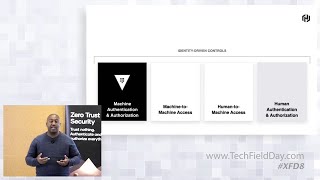
HashiCorp Vault Deep Dive - Zero Trust Security and Secret Management
Dive into HashiCorp Vault's advanced security features, including multi-cloud authentication, secret management, and zero-trust implementation through practical demonstrations and real-world applications.
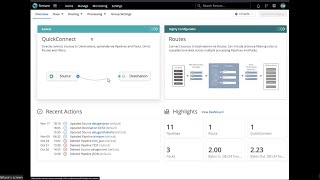
Exploring Cribl Stream and Cribl Edge - Data Collection and Observability Pipeline Demo
Discover how to manage observability pipelines with Cribl Stream and Edge, enabling flexible data collection, reduction, enrichment, and routing across your infrastructure for optimized business operations.

Cisco Crosswork Network Controller - Network Service Automation and Optimization
Discover how to automate network service provisioning and optimization with Crosswork Network Controller's intent-based system, featuring multivendor support, unified GUI, and streamlined service deployment capabilities.