Designing a Scalable and Distributed Application
Learn to design a scalable, distributed application using consul and uWSGI. Covers automatic service registration, health checking, distributed storage, and multi-datacenter awareness for global scalability.
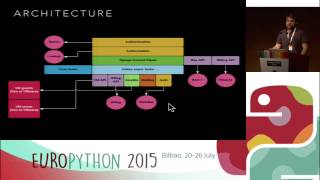
Architecture of a Cloud Hosting Service Using Python Technologies - Django, Ansible, and Celery
Explore the architecture of a cloud hosting service using Django, Ansible, and Celery. Learn about VM management, microservices integration, and University of Cambridge IT services.
Managing Kubernetes from Python using Kube
Learn to manage Kubernetes clusters using Python with Kube, a wrapper for the Kubernetes API. Explore key concepts, perform operations, and leverage advanced features for efficient cluster management.
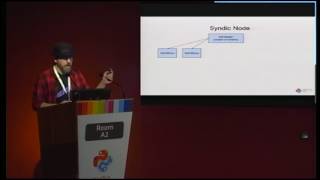
Salting Things Up in the DevOps' World - Things Just Got Real
Explore advanced SaltStack features for DevOps, including Salt Mine, Syndic, Reactor, Event System, Beacons, and API. Gain insights to enhance configuration management and automation workflows.
Automate, Contribute, Repeat
Discover how Ansible simplifies deployment and automation, freeing time for music creation at Ableton. Learn about its versatility, ease of use, and opportunities for open-source contributions.
Publish Your Code So Others Can Use It in 5 Easy Steps
Learn to publish Python code effectively with tools like GitHub, Travis CI, and PyPI, enhancing usability and collaboration potential for your open-source projects.
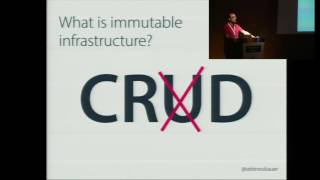
Infrastructure as Code - "pip install" Your Environment
Learn to build your own infrastructure-as-a-service using Python, Flask, and Docker. Create a Postgres-as-a-service system with just 300 lines of code, enabling self-service database provisioning and streamlining development workflows.
Using Service Discovery to Build Dynamic Python Applications
Learn to build dynamic, distributed Python applications using service discovery technologies like Consul, etcd, and Zookeeper. Compare their strengths and weaknesses through code examples and a live demo.
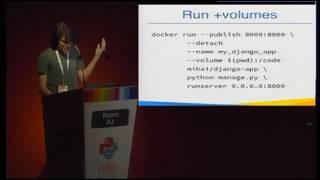
Real Virtual Environments Without Virtualenv
Explore Docker as an alternative to virtualenv for creating isolated, immutable, and repeatable Python development environments, enhancing consistency from development to production.
Grocker - A Python Build Chain for Docker
Streamlines Python package deployment by transforming projects into self-contained Docker images with easy-to-use entry points, ensuring atomic and deterministic code updates.
Planning for the Worst
Explore strategies for handling production issues, from common errors to obscure failures. Learn practical tips, best practices, and code solutions to enhance system reliability and resilience.
Analyzing Data with Python & Docker
Explore powerful data analysis workflows by combining Python and Docker. Learn to create robust, repeatable systems for small and large-scale data processing using containerization techniques.
How OpenStack Makes Python Better and Vice-Versa
Explore the symbiotic relationship between OpenStack and Python, including historical context, mutual benefits, bug discovery, and best practices for developers.
Create Secure Production Environment Using Docker
Learn to create and maintain secure Docker containers for production environments, covering risks, best practices, and essential techniques for robust deployment.
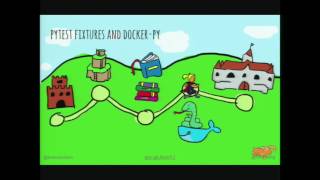
System Testing with pytest and docker-py
Learn best practices for system testing microservices using pytest and docker-py. Discover how to write maintainable tests for large-scale online services, focusing on pre-launch quality assurance.
Get Instrumented!
Learn to instrument Python apps with Prometheus for real-time insights. Explore metrics collection, dashboards, and monitoring to improve application performance and system understanding.
TDD of Python Microservices
Learn to create Python microservices using Test-Driven Development. Explore service and contract testing with Docker and Swagger for robust, confident development in a microservices architecture.
Split Up! Fighting the Monolith
Strategies for breaking down monolithic applications into manageable components, addressing dependency challenges, and improving code flexibility and maintainability.
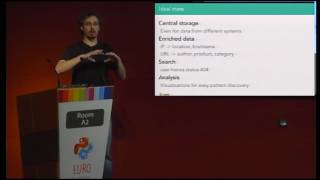
Log All the Things!
Discover how to collect, clean, store, and analyze log data from various systems using the ELK stack, enhancing DevOps practices and gaining valuable insights into your infrastructure.
But How Do You Know Your Mock Is Valid? Verified Fakes of Web Services
Explore verified fakes for web services, ensuring mock validity through periodic tests. Learn to create accurate representations using pytest, Travis CI, requests, and Responses for reliable software testing.
Testing in Layers
Explore modular, layered testing strategies for efficient software development, from unit tests to end-to-end integration, emphasizing automation and rapid problem identification in DevOps environments.