Gun Violence - A Mental Health Crisis for Youth
Exploring the impact of gun violence on youth mental health, featuring personal stories and discussing long-term emotional consequences beyond physical injuries.
Families in Crisis at the Border - Impact on Children's Health and Development
Exploring the biological and psychological impacts of family separation on migrant children, with insights from pediatric experts on trauma, toxic stress, and healing strategies.
The Power of Nurturing Babies in the First 1001 Days
Explore the transformative impact of nurturing babies from conception to age two on brain development and emotional intelligence. Learn how love and touch shape a child's future and can create a more connected world.
A Teenager's Recipe for Self-Awareness - Understanding Liminality in Student Life
Explore liminality and its impact on student life, learning coping strategies for confusion and uncertainty through relatable experiences and grounding techniques.
Understanding Multiple Intelligences Across Evolution and Development - There Is No Such Thing as AGI
Explore multiple intelligences across evolution and development, challenging the concept of AGI and examining diverse cognitive abilities in various species.
How Can We Detect Consciousness in Infants?
Exploring methods to detect infant consciousness using neurophysiological markers, behavioral indicators, and theoretical predictions. Discusses challenges and implications for understanding consciousness emergence.
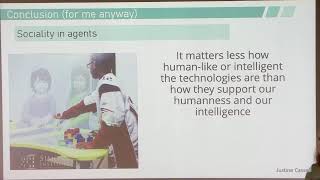
The Development of Sociality in Language and Thought
Explore the interplay between sociality, language, and cognition, examining how social interactions shape our linguistic and cognitive development.

Why You Blame Yourself for Everything and How to Stop
Explore self-blame as a trauma response, its impact on mental health, and practical strategies to overcome this cognitive distortion for improved emotional well-being.
The Power of Play to Heal and Connect
Explore how play therapy bridges communication gaps between adults and children, fostering emotional healing and connection through non-verbal expression.
Developmental Science Insights for Artificial General Intelligence Creation
Explore how insights from infant development studies inform AI research, focusing on evaluating AI systems using tools from developmental psychology to advance AGI creation.

The Real Reason We Punish Children and What to Do Instead
Explore alternatives to punitive discipline, focusing on trust and connection. Learn responsive parenting techniques to foster reflection and repair in child-rearing.

The Neuroscience of Addiction
Neuroscientist Marc Lewis challenges the disease model of addiction, offering a developmental perspective and exploring neuroplasticity as a path to recovery.
Combining Innate Concepts with Learning to Perceive the World
Explore how innate concepts and learning processes interact to shape our perception of the world, drawing insights from AI, psychology, and neuroscience perspectives.
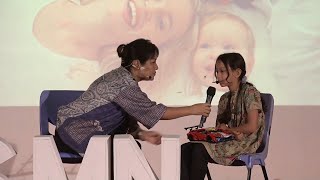
Seeing the World Through Children's Eyes
Explore children's perspectives and creativity through expert insights and a child's viewpoint, bridging the gap between generations for better understanding and connection.
The Impact of Silence - Understanding Early Attachment and Adverse Childhood Experiences
Exploring the impact of early attachment and adverse childhood experiences on women's identity, and how understanding this can reduce shame and foster personal growth.
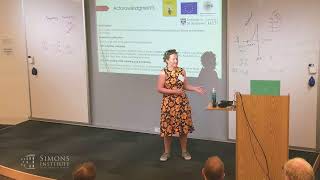
Human and Primate Intelligence Comparison - Learning, Abstraction, and Cognition
Explore comparative intelligence between humans and primates, examining learning, abstraction, intuitive physics, and executive functions through comparable research methods.
Cultivating a Positive, Authentic Learning Environment for Young Children
Exploring holistic approaches to create authentic, productive learning environments for children, focusing on mental, physical, and emotional support for optimal child development.
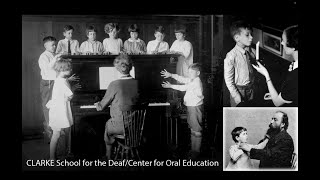
What If You Couldn't Talk? - Language Deprivation in the Deaf Community
Exploring language deprivation in the Deaf community, Justina Miles advocates for ASL's role in cognitive development and social inclusion, promoting greater acceptance of Deaf culture.

What If You Couldn't Talk? - Language Deprivation and the Importance of ASL
Justina Miles explores language deprivation in the Deaf community, advocating for ASL's role in cognitive development and social inclusion, while promoting greater acceptance of Deaf culture.
Why Continuous Conflict Is Worse Than Divorce
Kim Korven challenges divorce myths, advocating for cooperative separations that build resilience in children. She emphasizes how well-managed divorces can lead to stronger families and empowered children.
The Impact of Unresolved Childhood Trauma on Adult Mental Health and Parenting
Explore the lasting effects of childhood trauma on adult mental health and parenting. Learn self-regulation techniques to manage emotional triggers and build healthier family relationships.