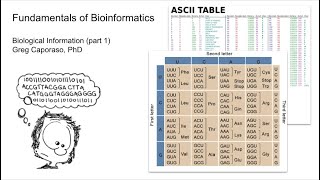
Fundamentals of Bioinformatics
Comprehensive introduction to bioinformatics, covering biological information, microbiome science, Python programming, sequence alignment, Linux, and machine learning for aspiring bioinformaticians.
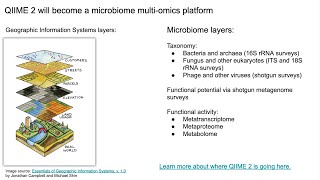
Microbiome Bioinformatics with QIIME 2 - Online Workshop
Learn QIIME 2 for microbiome bioinformatics analysis, covering data import, denoising, taxonomic assignment, diversity metrics, and statistical testing using a Parkinson's disease mouse study.
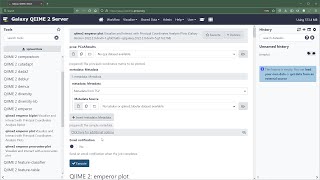
QIIME 2 Cancer Microbiome Intervention Tutorial
Comprehensive tutorial on using QIIME 2 for cancer microbiome intervention analysis, covering data import, processing, diversity metrics, and longitudinal studies through Galaxy interface or command line.
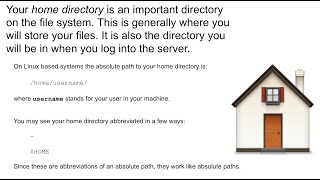
Computing Skills for Bioinformatics
Learn essential Linux, regular expressions, and Python 3 skills for bioinformatics, covering command-line operations, text manipulation, and programming fundamentals.
Molecular Dynamics Simulation
Learn to perform molecular dynamics simulations using Desmond, from installation to preprocessing and running simulations on Linux systems.
Sequence Alignment
Learn techniques for comparing biological sequences, including dot plots and global alignment methods, to analyze similarities and differences in DNA or protein data.
Protein Structure Prediction
Learn advanced protein structure prediction techniques, focusing on COVID-19 protease modeling, loop refinement, and homology modeling using MODELLER software.
Bioinformatics 101
Learn Python-based bioinformatics techniques for DNA analysis, sequence alignment, and protein visualization. Explore NCBI databases, BLAST searches, and COVID-19 genome analysis using Biopython.
Rosalind Challenge Problems with Python
Solve bioinformatics challenges using Python, covering DNA analysis, motif finding, and protein translation. Enhance your coding skills while exploring real-world biological problems.
Days of Biopython
Learn essential Biopython techniques for bioinformatics analysis, including FASTQ processing, NCBI database access, sequence alignment, COVID-19 genome analysis, and data visualization.
Linux for Bioinformatics - BioCode
Learn essential Linux commands for bioinformatics tasks, including data preprocessing, file manipulation, and genomic analysis. Enhance your skills in handling biological datasets efficiently.

Learn TensorFlow and Deep Learning Fundamentals with Python - Code-First Introduction Part 2/2
Dive deep into TensorFlow and Python, mastering non-linear models, multi-class classification, and advanced techniques for optimizing neural networks and evaluating their performance.

R Programming
Learn R programming fundamentals for bioinformatics applications, covering essential concepts and techniques in a comprehensive two-part introduction.
Biostatistics and Epidemiology Lecture Series
Comprehensive lecture series covering essential biostatistics and epidemiology concepts, from basics to advanced topics like probability, statistical inference, and survival analysis.
Statistical Methods - Biostatistics
Comprehensive biostatistics training covering hypothesis testing, z-test, t-test, chi-square test, F-test, and ANOVA. Includes theory, applications, and problem-solving for robust statistical analysis in biological research.
Biostatistics
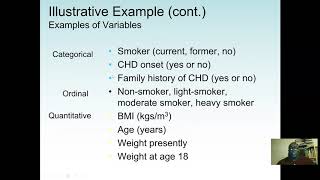
Comprehensive introduction to biostatistics covering key concepts, probability, distributions, hypothesis testing, and statistical analysis methods for healthcare and research applications.
UseR! 2020: Biostatistics
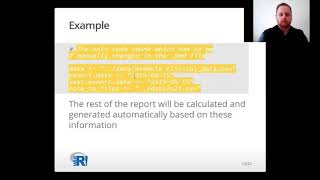
Explore biostatistics applications in R, covering clinical trials, mortality analysis, metaproteomics, descriptive tables, ETL, anthropometry, leukemia treatment, meningioma genomics, and survival curve comparisons.
Applied Biostatistics
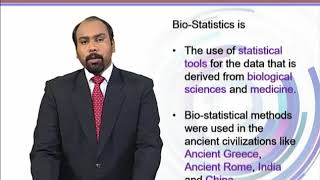
Comprehensive exploration of biostatistical methods and applications, equipping learners with practical skills for data analysis in biological and medical research contexts.

Biostatistics USMLE
Comprehensive biostatistics review for USMLE Step 1, covering key concepts, practice questions, and exam strategies to enhance understanding and test performance.
Bioinformatics Course Lectures
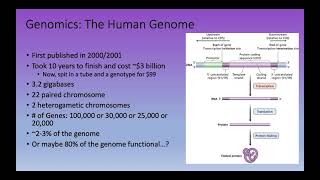
Comprehensive bioinformatics lectures covering genomics, sequencing, evolution, statistics, alignment, phylogenetics, assembly, annotation, and genetic variation for aspiring bioinformaticians.
Practical Computing for Scientists
Learn scientific computing essentials: BASH, Python, and SQL. Develop programming and data wrangling skills for UNIX/LINUX environments. Practical exercises and quizzes included.