
AI to the Masses! But How? Pixie Dust?
Explore Azure's AI options for data science, weighing considerations and practical applications to make informed decisions about implementing AI in your organization.
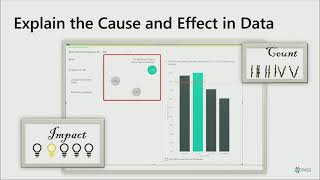
AI for Analysts
Discover how AI enhances the analyst role, learn techniques to leverage AI in your work, and optimize collaboration with data science teams for better decision-making and career growth.
Ingesting and Managing Petabytes of Data with Azure Data Factory
Explore improvements in Azure Data Factory for simplified data integration and management, including code-free ETL/ELT and comprehensive data overview, empowering enterprises to handle petabytes of data for valuable insights.
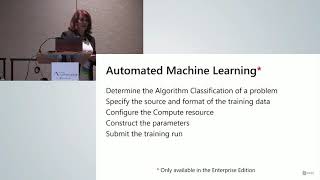
Hidden Differences Between Azure ML Products Revealed
Explore Azure ML products, their differences, and use cases. Learn to create end-to-end ML workflows, integrate with SQL Server, and manage models in production using various Azure tools.
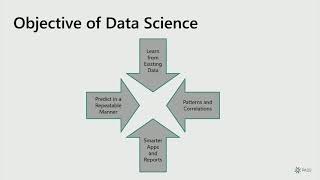
Operationalize Data Science for Advanced Decision Support
Learn to develop and integrate predictive models using Azure Machine Learning, enhancing organizational decision-making through data science principles, best practices, and a real-world case study.

What's in a Name? Data Stories that Would Make the Bard Proud
Learn to transform U.S. Census Bureau data on children's names into captivating stories. Discover techniques for identifying key data points, creating effective visualizations, and crafting compelling narratives to engage any audience.
Failure Prediction for Manufacturing Industry with SQL Server & R
Explore predictive modeling for manufacturing failure using SQL Server and R. Learn regression, binary classification, and random forest techniques to forecast product failures and estimate lifespans.
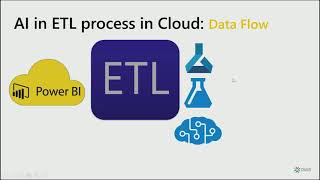
AI for the BI Professional
Explore AI integration in BI solutions for enhanced data insights. Learn to use pre-built AI tools, consume data scientist models, and leverage Power BI's AI features for intelligent reporting.
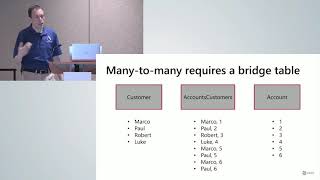
Different Types of Many-to-Many Relationships in Power BI
Explore various many-to-many relationships in Power BI, including classical, simple, and filter propagation. Learn when and how to use different types with practical examples and understand their impact on data modeling.
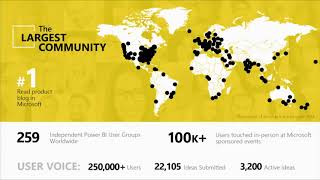
Microsoft Power BI - Business Intelligence Strategy, Vision, and Roadmap Update
Explore Microsoft's BI strategy and roadmap with Power BI leadership. See demos of latest enterprise features and learn how to leverage data for organizational success.
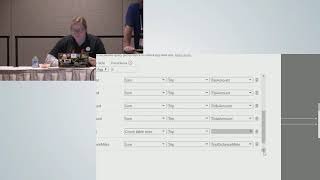
Aggregations in Power BI
Explore high-performance data analysis using Power BI Aggregations. Compare with Analysis Services, learn implementation strategies, and understand architectural approaches for optimized analytical solutions.

An Introduction to Data Visualizations and Design Best Practices
Learn effective data visualization techniques, including chart selection, color theory, and design principles to enhance your data storytelling skills and create impactful Power BI reports.
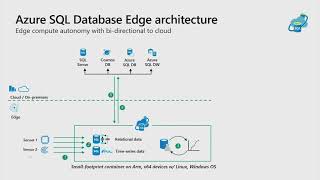
Azure SQL Database Edge - Overview
Explore Azure SQL Database Edge: optimized for edge computing with streaming support, machine learning, and "develop once, deploy anywhere" capabilities. Learn about features, deployments, and customer scenarios.

An Introduction to Data Visualizations and Design Best Practices
Learn effective data visualization techniques, including chart selection, color theory, and design principles to enhance your data storytelling skills and create impactful Power BI reports.
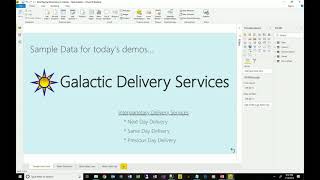
Handling Role Playing Dimensions in Tabular Models
Explore various methods for implementing role-playing dimensions in tabular models, including DAX expressions, with a focus on model maintainability and user experience in data analysis.

Power Query, M and Dataflow - The Lightsaber for the Data Jedi
Discover Power Query's transformation capabilities, M language benefits, and Dataflows' role in Power BI. Learn advanced features through demos to enhance your data preparation skills.
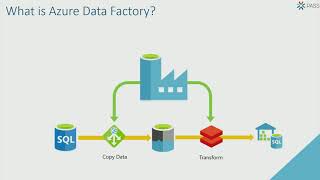
ETL in Azure Made Easy with Data Factory Mapping Data Flows
Explore Azure Data Factory's Mapping Data Flows for efficient, scalable ETL without coding. Learn to transform data using Databricks integration and graphical tools.
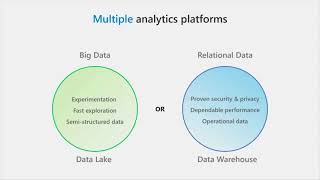
Introducing Azure Synapse Analytics - The End-to-End Analytics Platform
Explore Azure Synapse Analytics, a comprehensive platform integrating relational and big data systems for efficient data ingestion, preparation, modeling, and serving in a unified workspace.

Data Warehousing - Which of the Many Cloud Products is the Right One for You
Explore cloud-based data warehousing options, comparing Snowflake, Databricks, and Azure solutions. Learn to choose the best fit for your environment based on size, architecture, and unique features.
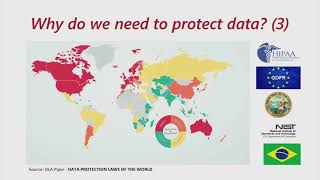
Protect Your Data by Design - Creating a Data Masking Strategy
Learn to create a comprehensive data masking strategy to protect sensitive information, overcome implementation challenges, and ensure data security in pre-production environments.
Missing T-SQL Querying Features for Handling NULLs and for Data Analysis
Explore advanced T-SQL querying techniques for handling NULLs and data analysis, covering missing SQL Server features and effective workarounds for improved database performance and functionality.