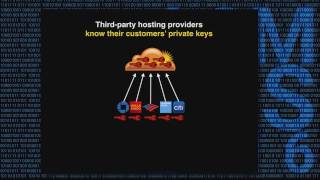
Measurement and Analysis of Private Key Sharing in the HTTPS Ecosystem
Explore HTTPS ecosystem's private key sharing practices, risks, and implications for web security. Learn detection methods and analysis of key sharing among domains and hosting providers.

Can Big Data Save the World?
Explore the potential of big data in solving global crises with Palantir CEO Alex Karp. Discuss data-driven intelligence, software solutions, and ethical considerations in addressing complex world issues.

Build It, Break It, Fix It - Contesting Secure Development
Explore secure development through a competitive contest format, analyzing builder strategies, common vulnerabilities, and resilience in software security.

Heavy Hitter Estimation over Set-Valued Data with Local Differential Privacy
Explore local differential privacy for heavy hitter estimation on set-valued data. Learn about randomized response, RAPPOR, and the LDPMiner framework for privacy-preserving data analysis.
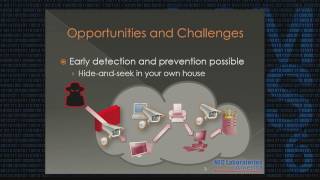
High Fidelity Data Reduction for Big Data Security Dependency Analyses
Explores data reduction techniques for big data security dependency analyses, focusing on expendable dependencies, controlled loss, and domain knowledge to improve efficiency while maintaining accuracy.

Christmas Tradition - Structure, Ecology and Evolution of Mistletoes
Explore mistletoe's ecology, evolution, and unique parasitic lifestyle. Learn about its diversity, morphology, and adaptations, as well as its ecological importance and responses to environmental changes.

LINC-Complex Mediated Positioning of the Vegetative Nucleus Is Involved in Calcium and ROS Signaling in Arabidopsis Pollen Tubes
Explore LINC complex's role in nuclear positioning, calcium signaling, and ROS in Arabidopsis pollen tubes, with implications for plant reproduction and stress responses.
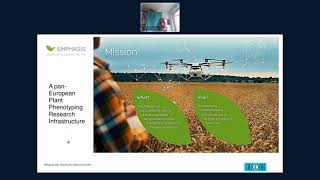
Novel Phenotypic Approaches in Quantitative Analysis of Plant Development and Performance
Explore cutting-edge plant phenotyping techniques for quantitative analysis of development and performance, featuring innovative technologies and global perspectives on digital agriculture.

How Will Big Data Drive Competitive Intelligence
Explore how interactive analytics and augmented reality leverage big data for competitive intelligence, addressing challenges like latency, privacy, and data retention in various industries.

Data Science, Apps and Civic Responsibility
Exploring how data science and technology can drive positive change in society, with insights from government, civic engagement, and private sector experts.

Prometheus - Design and Philosophy - Why It Is the Way It Is
Explore Prometheus monitoring system's design philosophy, data model, and unique features. Learn about its label-based approach, binary arithmetic, and operational considerations.
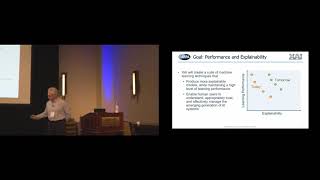
DARPA's Explainable Artificial Intelligence - XAI Program
Explore DARPA's Explainable AI program, its goals, strategies, and applications in machine learning, autonomy, and deep learning. Gain insights into the future of transparent AI systems.

Performance Benefits of High-Fidelity Passive Haptic Feedback in Virtual Reality Training
Explores benefits of using real golf clubs for haptic feedback in VR training, showing improved performance and user preference over controllers in a putting task study.
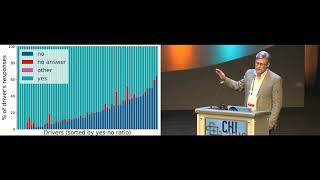
Is Now A Good Time? An Empirical Study of Vehicle-Driver Communication Timing
Empirical study on optimal timing for vehicle-driver communication, analyzing responses and automotive data to improve safety and user satisfaction in smart driving assistants and infotainment systems.
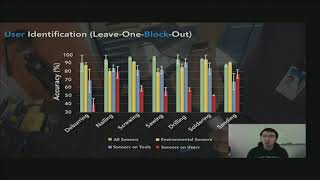
Instrumenting and Analyzing Fabrication Activities, Users, and Expertise
Explores sensorization of fabrication activities to predict user actions, identity, and expertise. Presents modular system design and experimental results for future interactive making spaces.
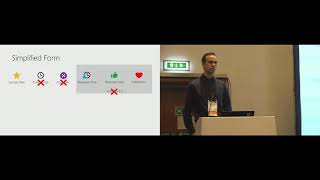
Explorations on Single Usability Metrics
Explores challenges in developing a Single Usability Metric at Microsoft, discussing error rates, time-on-task targets, and scale anchoring. Proposes alternative metric using simple thresholds from anchor text and inter-metric correlations.
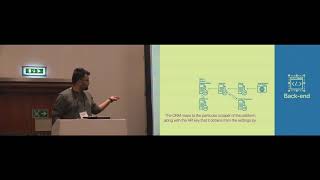
Social Media as a Passive Sensor in Longitudinal Studies of Human Behavior and Wellbeing
Explore social media as a passive sensor for studying human behavior and wellbeing in longitudinal research, examining data collection methods, challenges, and implications for HCI studies.
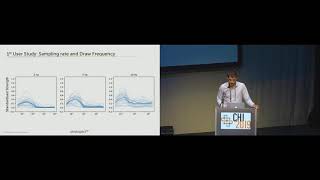
Sampling Strategy for Ultrasonic Mid-Air Haptics
Explores optimal sampling strategies for ultrasonic mid-air haptics, revealing unexpected effects of update rates on pattern perception and providing insights for improved tactile interface design.
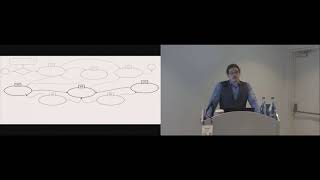
Socio-technical Dynamics - Cooperation of Emergent and Established Organisations in Crises and Disasters
Exploring socio-technical dynamics in crisis management, focusing on cooperation between emergent citizen groups and established organizations during the 2015 European migration crisis.
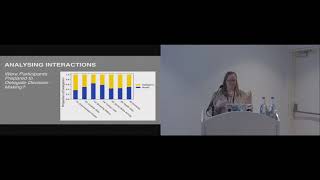
Should I Agree? Delegating Consent Decisions Beyond the Individual
Explores delegating digital consent decisions to third parties, revealing public interest and context-dependent preferences for alternative decision mechanisms beyond individual control.

Finding the Sweet Spot - Analyzing Unrestricted Touchscreen Interaction In-the-Wild
Explore smartphone touchscreen interaction patterns through in-the-wild studies, revealing optimal input areas and confirming previous lab-based models for improved user interface design.