Neuropathology of SARS-CoV-2 as Revealed by Spatial Biology
Explore SARS-CoV-2's neuropathology through spatial biology. Discover infected brain barrier cells, interferon-gamma signaling in hiPSC-derived BCECs, and gene expression analysis using spatial transcriptomics in FFPE tissue sections.

Unpacking Black Box Epidemiology: Understanding Causes of Chronic Diseases and Prevention Tools
Explore epidemiological data's role in understanding chronic diseases and identifying high-risk individuals through biobank studies and molecular measurements.
Using Large Language Models to Improve Data Loss Prevention in Organizations
Explore how large language models enhance data loss prevention by enabling full-text analysis and document categorization, improving sensitive information detection beyond pattern-based matching.
Reinventing ETL for Detection and Response Teams
Explore innovative strategies for efficient, cost-effective data collection and log enrichment tailored to Detection and Response teams' unique requirements in cybersecurity.
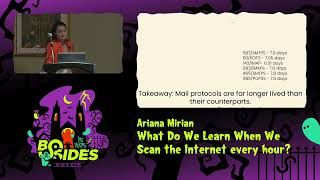
What Do We Learn When We Scan the Internet Every Hour?
Explore Internet ephemerality through hourly scans, revealing insights on service stability across ports, protocols, and ASNs. Implications for research and future scanning methodologies discussed.
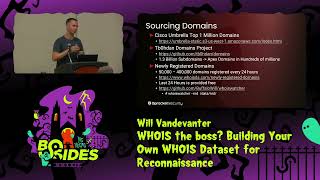
Building Your Own WHOIS Dataset for Reconnaissance
Learn to build a comprehensive WHOIS dataset for enhanced reconnaissance, exploring data collection methods, WHOIS/RDAP intricacies, and open-source tools for effective cybersecurity and OSINT operations.
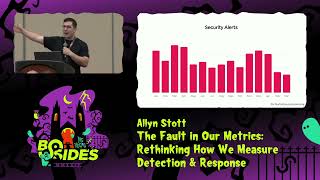
The Fault in Our Metrics - Rethinking How We Measure Detection and Response
Rethinking cybersecurity metrics: A practical framework for developing effective detection & response measurements that incentivize progress and tell a compelling story to leadership.
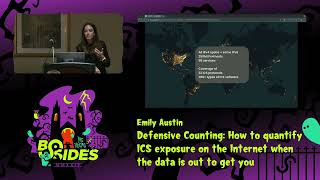
Defensive Counting - Quantifying ICS Exposure on the Internet
Explore techniques for accurately quantifying ICS exposure on the Internet, addressing challenges like honeypots and non-critical devices to provide a comprehensive yet measured analysis of real ICS vulnerabilities.
BOLABuster: Harnessing LLMs for Automating BOLA Detection
Harnessing LLMs to automate BOLA detection in APIs and web applications, reducing requests by 99% while uncovering critical vulnerabilities and submitting multiple CVEs.
Standardizing Password Surveys - Improving Reliability and Comparability
Standardizing password surveys to improve reliability and enable cross-organizational comparisons. Open-source initiative for better data collection and analysis in password security research.
Using Generative AI and Databricks Workloads to Manage Sensitive Data
Explore solutions for managing sensitive data using Databricks' Unity Catalog. Learn how to leverage AI and organizational capabilities to protect data throughout its lifecycle while enabling processing and operational use.
AI-Powered EDR: Streamlining Blackberry Cybersecurity with Databricks
Discover how Databricks optimized Blackberry's EDR system, improving incident detection speed, reducing query latency by 20%, and cutting costs by 30% while enhancing data management and cybersecurity capabilities.
Transforming Healthcare with Data Marketplaces - Real-world Sharing Lessons
Industry leaders discuss leveraging healthcare data marketplaces, integrating third-party data, and maximizing ROI through data sharing and AI collaboration on the Databricks platform.

Building a Secure and Scalable Cybersecurity Lakehouse - Rivian's Approach
Rivian's innovative cybersecurity lakehouse enables real-time, cross-team detections, automating response management. This scalable solution reduced implementation time and increased coverage, outperforming proprietary SIEM systems.
Bringing Satellite Data Down to Earth - Challenges and Opportunities
Explore the integration of satellite data with enterprise systems, unlocking new insights through earth observation and AI. Learn about challenges, opportunities, and use cases in this emerging field.
Becoming GDPR and CCPA Compliant Using Delta Live Tables
Explore solutions for implementing "Right to be Forgotten" in data lakehouses using Delta Live Tables, ensuring compliance with GDPR and CCPA privacy regulations.
Collaboration with Databricks Clean Rooms and Privacy-Enhancing Technologies
Explore Mastercard's innovative use of Databricks Clean Rooms for secure multi-party data collaboration, featuring privacy-enhancing technologies and automated solutions for modern data challenges.
Ensuring GDPR Compliance for Real-Time Data Pipelines
Strategies for GDPR compliance in real-time data pipelines using Databricks tools. Covers immediate solutions with Delta Lake's CDF and long-term plans for PII separation, offering practical privacy compliance approaches.

Harnessing Technology to Transform Foster Care
Innovative use of data and technology to address foster care challenges, mobilizing communities and empowering leaders for positive change in child welfare systems.

Outbreak Investigation - Emerging Infectious Diseases
Comprehensive guide to investigating disease outbreaks, covering methodologies, data analysis, and practical approaches for identifying and controlling infectious disease spread.

Pathogen Discovery - Lecture 2
Explore pathogen discovery techniques, their importance in disease ecology, and applications in understanding emerging infectious diseases and outbreak management.