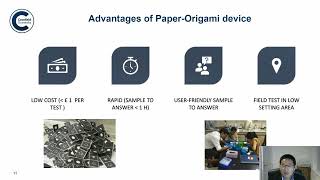
CRISPR/Cas-Enabled Paper Microfluidics Device for Rapid Diagnosis
Explore CRISPR/Cas-enabled paper microfluidics for rapid pathogen detection, including SARS-CoV-2 diagnosis and wastewater surveillance. Learn about low-cost, deployable biosensors for public health applications.
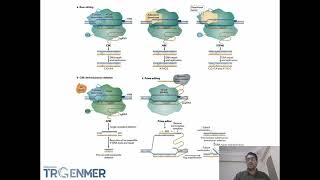
CRISPR Base Editor and Prime Editor Toolbox and Applications
Explore CRISPR base and prime editing technologies, their applications, and potential for treating genetic disorders without harmful double-strand breaks. Learn from expert Dr. Cihan Tastan in this cutting-edge webinar.
From Bench to Bedside: Targeted Gene Editing
Explore CRISPR/Cas gene editing technology's evolution, applications, and importance in research and clinical settings. Learn about choosing effective CRISPR reagents for successful gene editing experiments.
Elucidating the Composition of CRISPR Cas12f1 Complexes Using Mass Photometry
Explore the composition of CRISPR-Cas12f1 complexes through mass photometry, revealing insights into their stoichiometry and interactions with nucleic acids for improved genome editing applications.
Mechanisms and Applications of DNA Methylation and Gene Silencing in Plants
Explore DNA methylation in plants, its role in gene silencing, and CRISPR-based tools for targeted methylation changes in research and crop improvement.
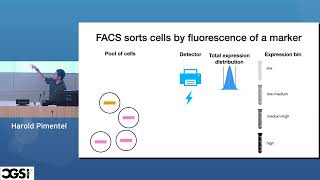
Inference Methods for High-Throughput CRISPR Screens - CGSI 2022
Explore inference methods for high-throughput CRISPR screens, focusing on regulatory gene discovery in human T cells and the architecture of immune networks.
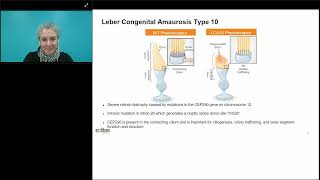
Assessing CRISPR On-Target Editing and Structural Changes with UDiTaS Using Tagify Reagents
Explore CRISPR editing assessment using UDiTaS™ and Tagify™ reagents. Learn about quantitative methods for measuring structural changes and small indels in genomic editing outcomes.
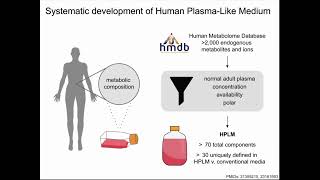
Investigating the Conditionally Essential Role of Genes Using CRISPR-Based Screens
Explore CRISPR-based genetic screens to identify essential genes in human cell lines under varying nutrient conditions, reflecting physiological environments.

Can We Cure Genetic Diseases by Rewriting DNA?
Chemical biologist David R. Liu discusses base editors, a breakthrough in genome editing that can directly rewrite DNA, potentially treating or curing genetic diseases.

Rewriting the Human Code - Dan Rather Talks Gene Editing
Dan Rather explores gene editing's potential and ethical implications with filmmaker Adam Bolt, discussing their documentary "Human Nature" and the far-reaching consequences of this groundbreaking technology.

Gene Editing - The Biotech Revolution of Our Times
Explore the revolutionary potential of gene editing with Walter Isaacson. Delve into CRISPR technology, its applications, ethical concerns, and impact on disease treatment, human enhancement, and global health challenges.
Breaking the Code - CRISPR and the Gene Editing Revolution
Explore CRISPR gene-editing technology's potential in healthcare, its ethical implications, and future prospects with Nobel laureate Dr. Jennifer Doudna and author Walter Isaacson.
Future Shocks - Rogue Technology
Explore potential impacts of emerging technologies on ecosystems and food security, featuring insights from experts on AI, biotech, and environmental challenges.
Foodborne Illness Outbreaks, Viral Defense Against CRISPR, and Ebola Updates - Microbial Minutes
Explore recent microbiology research on antibiotic resistance, foodborne illnesses, Ebola updates, and viral defense mechanisms against CRISPR, offering insights into current challenges and advancements in the field.
Can CRISPR Save the World? - The Next Green Revolution
Explore CRISPR's potential to revolutionize agriculture, addressing global food security challenges while navigating ethical concerns and scientific advancements in gene editing technology.

Splicing and Dicing DNA - Genome Engineering and the CRISPR Revolution
Explore the revolutionary CRISPR gene-editing technology, its applications in medicine and agriculture, and the ethical challenges it presents for the future of human evolution and disease prevention.

This is the Future
Explore cutting-edge tech with young innovators in CRISPR, AR, and MedTech. Discover their groundbreaking projects and visions for the future in this insightful discussion.

The Age of Genetic Wonder
Explore the future of genetic editing, its potential to redesign species and humanity, and the ethical implications of this revolutionary technology in biology and medicine.
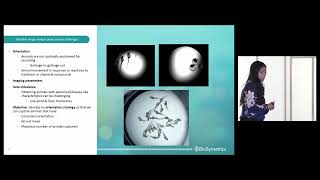
Machine Learning-Driven Phenotyping Platform for Rapid In Vivo Target Validation and Precision Medicine
Develop a zebrafish phenotyping platform using 3D-printed mounts and computer vision for drug discovery, enabling rapid gene-to-phenotype analysis and accelerating clinical translation.
rhAmpSeq CRISPR Analysis Tool Tutorial
Learn to analyze CRISPR experiments using IDT's rhAmpSeq™ tool. Explore features for efficient data interpretation and result visualization in genome editing projects.
How to Optimize CRISPR Genome Editing in Primary T Cells
Optimize CRISPR genome editing in primary T cells with improved methods for cell culture, delivery, and knock-in rates using HDR donors and enhancing reagents.