
The US Is Addicted to Incarceration - How to Break the Cycle
Robin Steinberg discusses The Bail Project, a nonprofit addressing mass incarceration by paying bail for those who can't afford it, and introduces a new community-based model to reform the US justice system.

How to Fix Two of the Most Broken Systems in the US
Criminal justice reformer Nick Turner discusses how to address racial and economic inequality in the US legal system, advocating for system reduction and recognizing the humanity of those involved.

How Radical Hospitality Can Change the Lives of the Formerly Incarcerated
Sociologist explores aftershocks of mass incarceration, challenges punitive policies, and advocates for radical hospitality to reintegrate formerly incarcerated individuals into society, promoting a more inclusive and just system.

How We're Priming Some Kids for College and Others for Prison
Sociologist explores systemic inequalities in education and criminal justice, revealing how African-American and Latino youth are disproportionately guided towards incarceration instead of higher education.

Keeping Family Together During Incarceration
Explore innovative approaches to maintaining family bonds during incarceration, examining their lasting impact on individuals and communities beyond prison walls.

From Prison to Purpose Through Wildland Firefighting | Royal Ramey | TED
Royal Ramey shares his experience as an incarcerated firefighter in California and how it inspired him to co-found the Forestry and Fire Recruitment Program, a nonprofit that helps formerly incarcerated people become wildland firefighters and find purpose through public service.
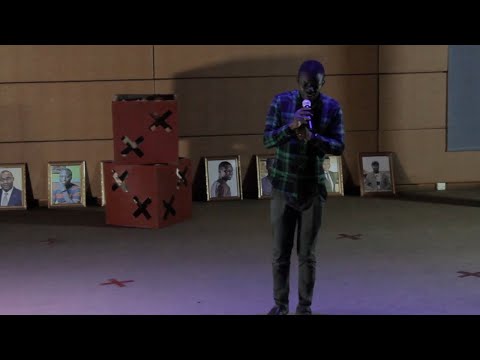
Beyond “Us vs Them”: Humanizing Security in Our Society | Tayo Fasunon | TEDxAjah
In this talk, Tayo examines how dehumanization fuels violence and deepens divides between citizens and the police, while shared stories can restore empathy and understanding. Drawing on examples from Nigeria and global movements, he highlights the hidden trauma faced by security personnel and call

The Illusion of Justice | Marilyn J. Mosby, Esq. | TEDxUStreetWomen
This talk examines the gap between America’s promise of “liberty and justice for all” and the lived reality of its criminal justice system. From reciting the Pledge of Allegiance as a child to serving as the youngest chief prosecutor of a major American city—and later standing as a defendant within

LOOK BEYOND HEADLINES: LIFE IN KHAKI | Abdul Khayyum Khan | TEDxOsmaniaU
From forgotten victims to saved lives, this talk reveals how flawed perceptions shape our systems and our empathy. Drawing from four decades in public service, it challenges how we measure crime, pain, and responsibility, urging us to see beyond numbers and prominence to the real human impact behind