Evolution of Observability Tools at Pinterest
Explore Pinterest's journey in scaling observability tools, from metrics to log search and distributed tracing, as the company grew from startup to web-scale platform.
Are We All on the Same Page? Let's Fix That
Explore Adaptive Paging, an innovative alert handler that uses tracing and heuristics to identify and notify the team closest to the problem, reducing alert fatigue in complex distributed systems.

Tracing Real-Time Distributed Systems
Exploring distributed tracing in real-time data streaming systems, focusing on challenges and solutions for trading platforms, including session tracking, data flow management, and storage optimization.
Zero Touch Prod - Towards Safer and More Secure Production Environments
Explore principles and tools for safer production environments through automation, safe proxies, and audited break-glass, reducing human errors and insider threats in system operations.
All of Our ML Ideas Are Bad - and We Should Feel Bad
Explores limitations of Machine Learning in production engineering, debunking common misconceptions and discussing potential feasible applications for SREs.
How to SRE When Everything's Already on Fire
Learn how Squarespace's team adopted SRE practices to transform their unreliable logging platform into a trusted system with 99.9% uptime, sharing valuable insights and strategies for improving service reliability.
A Systems Approach to Safety and Cybersecurity
Explore systems thinking for safety and cybersecurity, integrating approaches to manage emergent properties and control problems in complex systems.
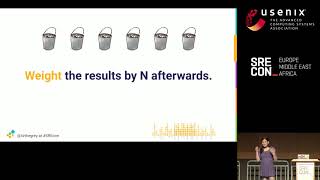
Refining Systems Data without Losing Fidelity
Explore strategies for efficient systems data management, including sampling and aggregation techniques, to maintain crucial information while reducing data volume and costs.
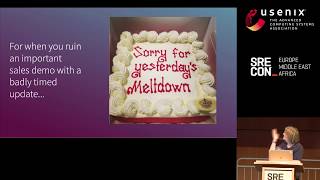
How to Do SRE When You Have No SRE
Practical strategies for implementing Site Reliability Engineering principles in resource-constrained environments, focusing on gradual improvements and stress reduction for engineering teams.
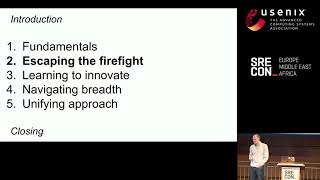
How Stripe Invests in Technical Infrastructure
Explore Stripe's approach to prioritizing technical infrastructure investments, balancing firefighting and innovation, and enabling long-term success through strategic decision-making and resource allocation.
SLOs for Data-Intensive Services
Explore the journey of defining effective SLOs for data-intensive services, focusing on search engines. Learn about monitoring processes, consistency, and automated mitigation strategies for complex systems.

Deploying SRE Training Best Practices to Production - How We SRE'ed Our SRE Education Program
Explore Google's SRE training program, featuring hands-on exercises in a safe environment. Learn how SRE principles were applied to improve the curriculum, minimize toil, and enhance reliability through automation and monitoring.
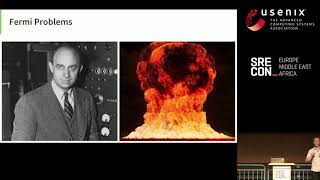
Advanced Napkin Math - Estimating System Performance from First Principles
Learn to quickly estimate system performance using base rates and napkin math, enabling informed decision-making in technical discussions and design processes without building systems first.

Control Theory for SRE
Learn to create a PID controller for autoscaling Kubernetes deployments, ensuring smooth scaling based on custom targets. Explore control theory principles and their application in SRE practices.
My Life as a Solo SRE
Transforming engineering culture: One SRE's journey from chaos to improved reliability, featuring practical tips on implementing SLIs, reducing incident response times, and fostering organizational change.
A Usability Study of Five Two-Factor Authentication Methods
Comprehensive usability study comparing five two-factor authentication methods, examining setup procedures, user experiences, and preferences to inform better security implementations for online accounts.
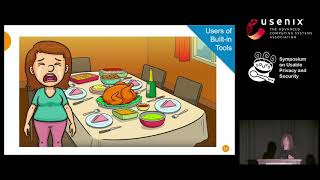
Why People - Don't - Use Password Managers Effectively
Explores user attitudes towards password managers, revealing differences between built-in and separate tool users, and provides insights to improve adoption and effective usage of these security tools.
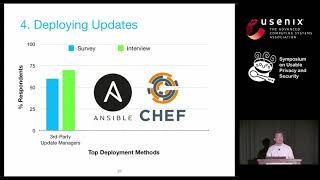
Keepers of the Machines - Examining How System Administrators Manage Software Updates
Examining system administrators' software update management practices, challenges, and potential improvements for multiple machines to enhance organizational cybersecurity.
Privacy and Security Threat Models and Mitigation Strategies of Older Adults
Explores privacy and security perceptions of older adults using smart technologies, identifying unique challenges, misconceptions, and mitigation strategies to inform better design and protection measures.
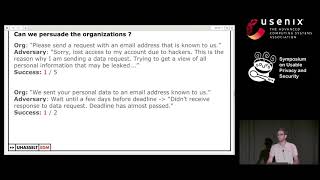
Personal Information Leakage by Abusing the GDPR 'Right of Access'
Explores GDPR 'Right of Access' vulnerabilities, revealing how impersonation tactics can lead to unauthorized data access. Offers insights on improving identity verification processes for enhanced data protection.
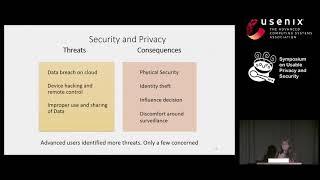
I Don't Own the Data - End User Perceptions of Smart Home Device Data Practices and Risks
Explores user perceptions of smart home device data practices, revealing uncertainties about data handling and how experiences shape security concerns and behaviors in connected homes.