
The Future of Lunar and Mars Exploration
Explore Apollo's legacy and NASA's Artemis program for lunar return, examining lunar samples, solar system formation, and future Mars exploration.
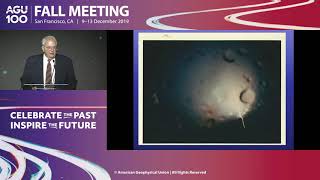
The Apollo 12 Lightning Incident - Fifty Years of Advancing the State of the Art
Exploring the Apollo 12 lightning incident, its impact on space missions, and advancements in launch safety protocols over 50 years. Discusses lessons learned and ongoing research in atmospheric electricity.
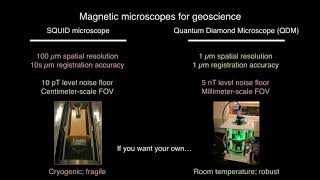
Magnetic Microscopy Talk
Explore magnetic microscopy in geoscience, examining rock magnetization, SQUID and QDM technologies, and their applications in studying chondrites and speleothems.

Getting Beyond Earth - Exploring the Solar System
Explore the solar system through expert presentations on past and present missions, gaining insights into planetary bodies and Earth while understanding the importance of continued space exploration.
New Access to Space
Panel discussion on new opportunities in lunar exploration, featuring commercial spacecraft programs, small satellites, and international missions to unexplored lunar regions.
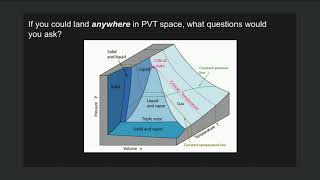
Novel Experiments for Understanding the Interior of the Earth, Planets, and Exoplanets
Explore cutting-edge techniques to unravel the mysteries of Earth's interior and other celestial bodies, from high-pressure experiments to dynamic compression and advanced spectroscopy.
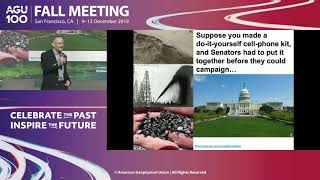
Current Problems Facing Our Planet and Society
Exploring planetary changes, human impacts, and societal challenges through scientific connections. Highlights sea level rise and complex global interactions affecting communities worldwide.
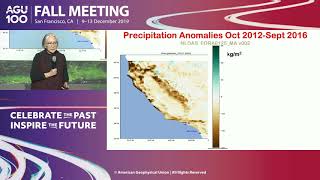
Habitability of Planet Earth in the Modern Anthropocene
Explore Earth's habitability evolution and human impact in the Anthropocene through expert talks on climate, water, and effective science communication.
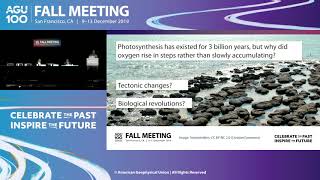
What Controlled the Rise of Oxygen on Earth?
Explore new findings challenging theories on Earth's oxygenation events, their sources, and implications for understanding oxygen history on Earth and other planets.
Future Climate
Novel perspectives on Earth's climate future, exploring ice sheets, clouds, ecological tipping points, renewable energy, and personal action. Experts discuss challenges and solutions for shaping our climate destiny.
New Generation of Scientists I
Panel discussion with Macelwane Medalists sharing critical success factors, future research plans, and engaging in Q&A. Valuable insights for aspiring scientists on career development and research strategies.
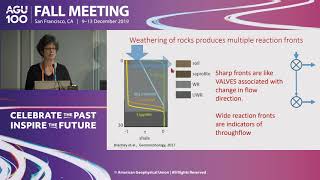
Probing and Modeling Reactive Transport Processes in Earth Systems
Explore advancements in probing and modeling reactive transport processes in Earth systems, focusing on interdisciplinary approaches to understand mass transfer and biogeochemical reactions across scales.
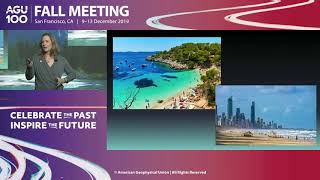
Sea Level Science and Communication in a Rapidly Evolving Landscape
Comprehensive overview of sea-level science advancements, impacts, and communication strategies, exploring past, present, and future changes, policy implications, and public engagement.
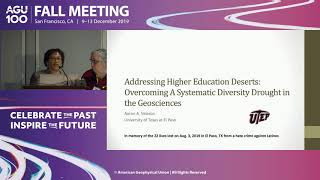
Toward a Century of Diversity, Inclusion, and Equity in the Geosciences - Solutions Through Innovation and Leadership
Exploring strategies to enhance diversity, inclusion, and equity in geosciences through innovative leadership, addressing barriers, and promoting participation of underrepresented groups.
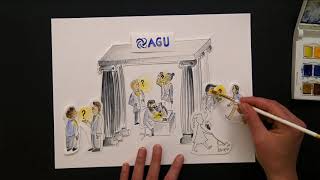
Science to Action - How to Work with Communities and Make an Impact
Explore collaborative practices between scientists and communities to enhance research impact, promote equity, and address societal challenges through interdisciplinary approaches and knowledge co-production.
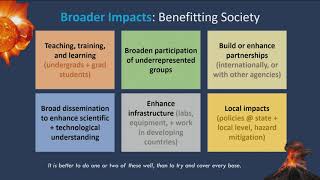
Evaluation - Best Practices for Broader Impacts
Strategies for developing, implementing, and assessing broader impacts of scientific research. Guidance on enhancing research impact and meeting NSF criteria for societal benefits.
Fermentative Food Microbiome
Explore the fascinating world of fermentative food microbiomes, from cheese to other fermented products. Learn about new technologies, metabolomics, and the future of fermented food microbiology.
Susceptibility Testing for Staphylococci Other Than S. Aureus
Explore complex susceptibility testing for staphylococci species, focusing on methicillin resistance detection methods, changing breakpoints, and accurate species identification using MALDI-TOF technology.
Synthetic Microbiology - A Conversation
Explore synthetic microbiology with experts, discussing its definition, interaction with systems biology, and potential research areas. Gain insights into this emerging field and its implications for future scientific advancements.
Vaccines for COVID-19 - A Critical Appraisal
Expert insights on COVID-19 vaccine development, clinical trials, and future implications. Dr. Carol Baker discusses unprecedented speed, key success factors, and lessons for future vaccine technologies.
A Bad Year with Great Papers in Clinical Microbiology
Explore key clinical microbiology research from 2020, including COVID-19 testing innovations, metagenomics advances, and emerging antibiotic resistance, as discussed by journal editors.