Doing Security in 100 Milliseconds - The Speed of Serverless Computing
Explore serverless computing's impact on security, covering key areas like software supply chain and attack detection. Learn practical approaches and see a demo of building and securing a serverless application.
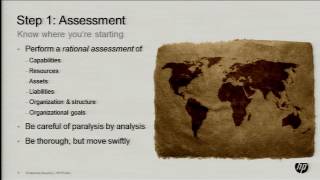
You're Going to Need a Bigger Shovel
Explore software security assurance, application security, and organizational strategies for effective resource planning and process building in cybersecurity.
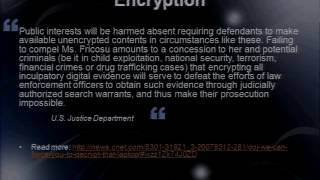
Hiding From Big Brother Using Distributed Steganography
Learn techniques for hiding data from surveillance using distributed steganography, exploring methods like hidden files, alternate data streams, and encryption combined with steganographic approaches.

Reversing Web Applications
Explore web application reverse engineering techniques, from information gathering to active testing, to understand behavior, analyze code, and improve security assessments.
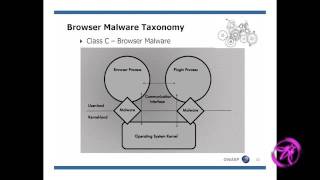
The Good Hacker - Dismantling Web Malware
Explore web malware anatomy, impact, and detection techniques. Learn about browser vulnerabilities, drive-by downloads, and real-world case studies of exploit kits and botnets.

SSL and the Future of Authenticity
Explore SSL's role in online security, challenges with certificate authorities, and innovative approaches to authentication in the digital age.
Threat Modeling Cloud Apps - What You Don't Know Will Hurt You
Explore threat modeling for cloud applications, focusing on AWS services, security controls, and potential risks. Learn to identify assets, adapt to cloud architectures, and address new security challenges.
Android Security, or This Is Not the Kind of 'Open' I Meant
Explore Android security vulnerabilities, reverse engineering techniques, and potential solutions with insights from Trustwave SpiderLabs expert Mike Park.

Messaging Security Using GlassFish & Open Message Queue
Explore messaging security in GlassFish and Open Message Queue, covering authentication, authorization, encryption, persistence, logging, and monitoring for robust enterprise messaging systems.
Pwning Intranet with HTML 5
Explore HTML5's potential for intranet exploitation using BeEF framework. Learn footprinting, network discovery, port scanning, and inter-protocol exploitation techniques.
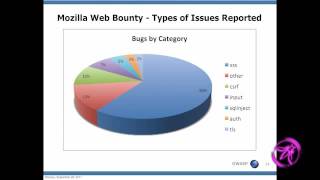
Security Evolution - Bug Bounty Programs for Web Applications
Explore the evolution of web security through bug bounty programs, focusing on Mozilla's experience, benefits, challenges, and ethical considerations.
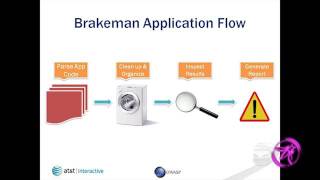
Brakeman & Jenkins - The Duo Detects Defects in Ruby on Rails Code
Explore static analysis tools for Ruby on Rails, focusing on Brakeman and Jenkins integration. Learn about security warnings, code updates, and best practices for detecting defects.
An Introduction to ZAP - The OWASP Zed Attack Proxy
Learn to use ZAP, an open-source web application security scanner. Explore features like active scanning, fuzzing, and brute force attacks to enhance your penetration testing skills.

Hacking .NET Applications - The Black Arts
Explore techniques for hacking .NET applications, including malware analysis, code review, and penetration testing. Learn to build keygens, cracks, and overcome security measures in .NET environments.
Simplifying Threat Modeling
Simplified approach to threat modeling: identify attack surfaces, visualize users as threats, illuminate assets and trust boundaries, postulate attacks, evaluate impact, and mitigate risks.
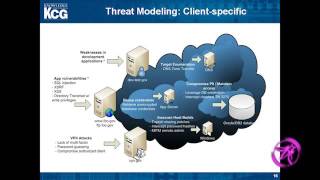
Improve Your SDLC with CAPEC and CWE
Enhance software development lifecycle using CAPEC and CWE. Learn threat modeling, design considerations, and security testing techniques to improve application security.
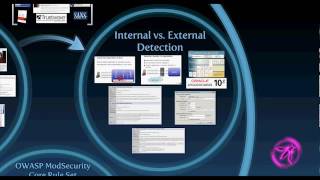
Implementing AppSensor in ModSecurity
Explore advanced web application security techniques using AppSensor and ModSecurity, focusing on detection points, SQL injection prevention, and innovative defense strategies.
Risk Management for Teams That Get Things Done
Explore effective risk management strategies for growing organizations, focusing on peer review, communication, and automation to maintain high uptime standards without sacrificing velocity.

Application Logging in the Era of GDPR
Explore application logging best practices in the GDPR era, covering security, privacy, data protection, and compliance recommendations for developers and operations teams.
Threat Modelling Stories from the Trenches
Explore real-world design flaws and secure design principles through interactive case studies in threat modeling across various domains, enhancing your software analysis skills.

A DevOps View of AppSec
Explore DevOps history and its impact on AppSec, charting a path for DevSecOps success through standardization, automation, and Agile principles.