AI Assisted Development
Exploring AI's impact on Scala development, from TDD to code generation, and discussing future possibilities for AI-assisted programming.
How Does Incremental Compilation Work with Scala 3
Explore incremental compilation in Scala 3: its principles, changes, and potential improvements for faster build times, with insights on project organization and optimization techniques.
Building Billion Node Graphs for Machine Learning
Explore building billion-node graphs for machine learning, covering data ingestion, graph management, and algorithm execution at scale. Learn about challenges and solutions in handling massive datasets for GraphML research.
Why Dolly Is Just the Beginning for Open LLM Models
Explore the evolution of open LLMs, focusing on Dolly's impact and the potential for fine-tuning smaller models with proprietary data to gain a competitive edge in AI development.
Teaching Domain Specific Languages in Scala
Explore Scala's suitability for Domain Specific Language development, covering functional modeling, parser combinators, metaprogramming, and practical implementation in Visual Studio Code using Scala.js.
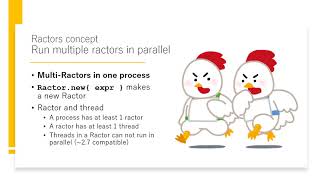
Ractor Demonstration
Explore Ruby 3's Ractor feature for thread-safe concurrent programming. Learn its powers and limitations through interactive demonstrations with expert Koichi Sasada.
The Humble Hash
Explore Ruby's hash functionality, from basics to advanced techniques. Learn to leverage hashes for concise, performant code and discover surprising features of this versatile data structure.
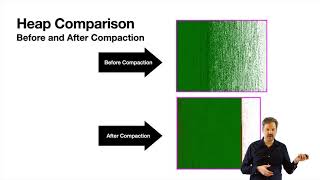
Automatic GC Compaction in MRI
Explore automatic GC compaction in Ruby 2.7, its implementation challenges, and techniques like read barriers and concurrent GC. Learn about memory optimization and performance improvements in Ruby applications.

Tracking COVID-19 with Ruby
Explore how programmers can aid epidemiologists by gathering and analyzing COVID-19 data using Ruby, web tools, and expressive code to make complex information understandable.
Keynote by Yukihiro Matsumoto
Explore Ruby's evolution with creator Matz, covering compatibility, performance, concurrency, static typing, and future developments in this insightful keynote.

Automation Engineering with Serverless Compute
Automate tedious processes using Ruby in serverless functions. Learn object detection, event triggers, and static site generation while exploring problem-solving techniques for overcoming challenges.
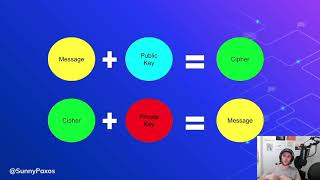
How Prime Numbers Keep the Internet Secure
Explore the role of prime numbers in internet security, covering encryption methods and implementing RSA encryption using Ruby. Gain insights into HTTPS and data privacy.

The Future Should Be Uneven
Explore how to build inclusive technology that empowers users through customization, accessibility, and universal design. Learn to create infrastructure supporting diversity and individual needs.

Screaming Zombies and Other Tales - Race Condition Woes
Explore race conditions in concurrent systems through real-world stories, including the "Screaming Zombies" bug. Gain insights on building robust systems and analyzing potential vulnerabilities.

Mach 2.0 at Scale
Explore the race to build supersonic passenger planes, focusing on Concorde's success. Learn about engineering challenges, international competition, and lessons in compromise and constraints.

Coaching through Coding
Discover strategies for coaching and mentoring through everyday coding activities, expanding beyond traditional one-on-one conversations to support team members' career growth.

Upgrading GitHub to Ruby 2.7
Strategies for upgrading large-scale Ruby applications to version 2.7, including handling deprecation warnings, performance improvements, and maintaining open-source dependencies.

The Bug that Forced Me to Understand Memory Compaction
Explore Ruby's memory management, from heap allocation to garbage collection and memory compaction, through a bug-solving journey in a gem maintenance story.

Tales of the Autistic Developer - The Expert
Explore the concept of expertise through the lens of an autistic developer, examining its evolution, dangers, and impact on career development.
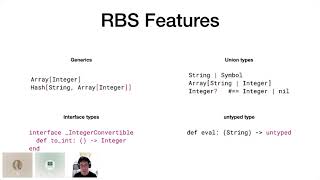
The State of Ruby 3 Typing
Exploring RBS in Ruby 3: A new feature supporting type checker development. Learn about its implementation, benefits for gem developers, and how to prepare your gems for RBS compatibility.

Enough Coverage To Beat The Band
Explore Ruby's coverage measurement techniques to boost confidence in your code before production and analyze live code usage, enhancing your development process.