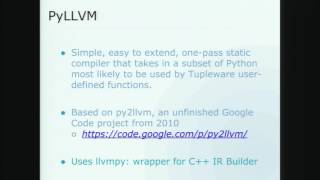
Wrestling Python into LLVM Intermediate Representation
Explore the process of translating Python into LLVM Intermediate Representation, enabling platform-independent execution and potential performance improvements for analytical frameworks.
Monkey-Patching - A Magic Trick or a Powerful Tool
Explore dynamic code modification in Python, its pros and cons, real-world applications, and comparison with Ruby. Learn when monkey-patching is a valuable tool or potential pitfall.
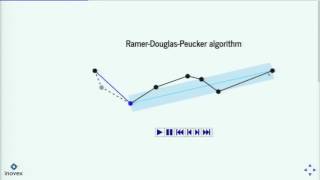
Handling GPS Data with Python
Learn to handle GPS data in Python, from reading/writing tracks to visualizing on OpenStreetMap. Explore libraries, add elevation data, and understand algorithms like Douglas-Peucker and Kalman filters for track simplification and smoothing.
Get Instrumented!
Learn to instrument Python apps with Prometheus for real-time insights. Explore metrics collection, dashboards, and monitoring to improve application performance and system understanding.
Deep Learning with Python & TensorFlow
Explore deep learning with TensorFlow: compare Python ML libraries, create data flow graphs, and learn deployment strategies for production systems.
Jupyter for Everything Else
Explore unconventional uses of Jupyter beyond scientific exploration, including command-line tutorials, interactive presentations, and web technology experimentation.
Python, Data & Rock'n'Roll
Explore rock music lyrics using data science techniques like web crawling, NoSQL, NLP, and visualization to uncover trends, themes, and correlations among legendary bands.
TDD of Python Microservices
Learn to create Python microservices using Test-Driven Development. Explore service and contract testing with Docker and Swagger for robust, confident development in a microservices architecture.
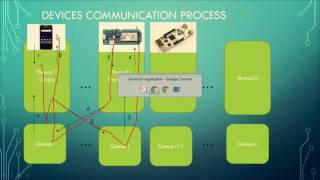
Server for IoT Devices and Mobile Devices Using Wifi Network
Explore IoT server architecture using Python, MySQL, and Kivy for mobile apps. Learn about device registration, messaging, security, and database management in IoT environments.
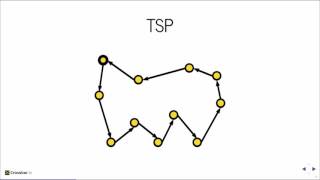
Scaling Microservices with Crossbar.io
Learn to scale microservices efficiently using Crossbar.io, an open-source application router. Explore distributed scaling techniques and participate in a live demo showcasing WAMP protocol implementation.
Free Your Papers, Researchers!
Explore how Python and Django can help researchers make their papers freely accessible, promoting Open Access and addressing challenges in academic publishing.
NetworkX Visualization Powered by Bokeh
Interactive network visualization using NetworkX and Bokeh in Jupyter Notebooks. Learn to create, manipulate, and update network structures with Python, enhancing data exploration and analysis of social networks.
How to Migrate from PostgreSQL to HDF5 and Live Happily Ever After
Explore migrating from PostgreSQL to HDF5 for scientific projects with large floating-point datasets. Learn strategies for performance optimization, data migration, and maintaining system integrity during transition.
Split Up! Fighting the Monolith
Strategies for breaking down monolithic applications into manageable components, addressing dependency challenges, and improving code flexibility and maintainability.
Peeking into Python’s C API
Explore Python's inner workings through its C API. Learn about reference counting, memory management, and the implementation of objects and modules by creating bindings between C and Python.

3D Modeling and Printing by Python
Learn to create 3D models for printing using Python APIs in popular software like Blender and Fusion 360. Explore basic concepts, practical tips, and real-world project examples for generating 3D models programmatically.
Nipy on Functional Brain MRI
Introductory exploration of brain image analysis using nipy tools. Learn to process fMRI data, perform registration, ICA analysis, and visualize resting-state networks. Potential coverage of atlas-based segmentation.
How Can Machine Learning Help to Predict Changes in Size of Atlantic Herring
Explore machine learning techniques to predict Atlantic herring size changes using environmental and fishing data, with implications for conservation and sustainable fisheries management.
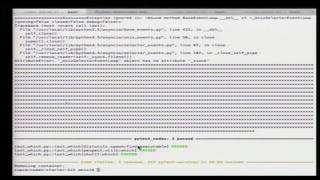
Test-Driven Code Search and Reuse Coming to Python with Pytest-Nodev
Explore test-driven reuse strategy and pytest-nodev, a search engine for Python code. Learn to efficiently find and reuse code based on behavior and semantics rather than keywords.
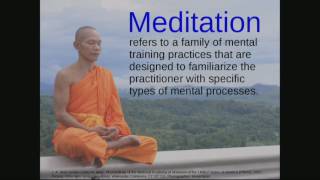
The Value of Mindfulness and How It Has Arrived at Google
Explore mindfulness as a foundational skill, its applications in stress management and business leadership, and its practical benefits for digital workers in navigating complex professional environments.
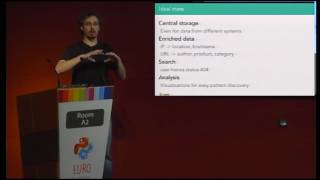
Log All the Things!
Discover how to collect, clean, store, and analyze log data from various systems using the ELK stack, enhancing DevOps practices and gaining valuable insights into your infrastructure.