Pytest 3.0
Explore new features, breaking changes, and improvements in pytest 3.0. Learn about fixture enhancements, tox integration, and outcomes from the developer sprint that shaped this major release.
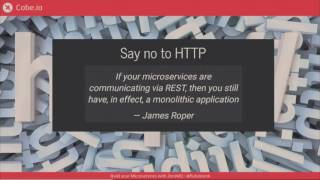
Build Your Microservices with ZeroMQ
Explore ZeroMQ as a powerful alternative to HTTP for building microservices, offering flexible communication patterns, asynchronous API, and improved architecture simplification.

Music Transcription with Python
Explore real-time monophonic music transcription using Python, converting audio to MIDI events through pitch and duration analysis, with potential for live sound manipulation.
OMG, Bokeh is Better Than Ever!
Explore Bokeh's powerful features for creating complex visualizations in Python, including websocket-based server, JavaScript callbacks, and high-level charts for enhanced data representation.

Data Formats for Data Science
Explore data formats beyond CSV for scientific computations, including hierarchical and big data solutions. Learn about Python libraries for various formats and their strengths in data science applications.
Python in Astronomy
Explore Python's role in modern astronomy, from data analysis to visualization. Learn about AstroPy and see real-world applications in astronomical research and computation.
A Deep Dive into the Pymongo MongoDB Driver
Explore the inner workings of Pymongo, MongoDB's popular Python driver. Gain insights into server requests, connections, queries, and write operations to enhance your MongoDB application development skills.
Unveiling the Universe with Python
Explore how Python and Monte Carlo simulations unveil the mysteries of the Universe, from analyzing cosmic microwave background data to revealing the surprising dominance of dark matter and energy.

Writing Unit Tests for C Code in Python
Learn to write Python unit tests for C code using CFFI and pycparser. Explore creating mock functions, handling dependencies, and overcoming challenges in mixing Python and C for efficient testing.
Grocker - A Python Build Chain for Docker
Streamlines Python package deployment by transforming projects into self-contained Docker images with easy-to-use entry points, ensuring atomic and deterministic code updates.
Algorithmic Trading with Python
Explore systematic trading at Winton Capital Management, focusing on Python's role in data management, signal generation, and order execution for algorithmic trading on global exchanges.
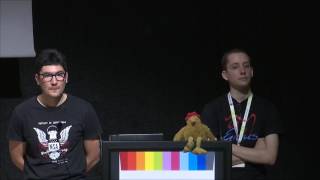
Planning for the Worst
Explore strategies for handling production issues, from common errors to obscure failures. Learn practical tips, best practices, and code solutions to enhance system reliability and resilience.
Analyzing Data with Python & Docker
Explore powerful data analysis workflows by combining Python and Docker. Learn to create robust, repeatable systems for small and large-scale data processing using containerization techniques.
Ethical Hacking with Python Tools
Explore ethical hacking using Python tools for security testing, vulnerability analysis, and pentesting. Learn to develop custom security tools and conduct demonstrations on target domains.

Using and Abusing Python’s Double-Underscore Methods and Attributes
Explore Python's double-underscore methods: manipulate operators, mimic containers, optimize memory, and experiment with unconventional function hacks in this playful deep dive.
Another Pair of Eyes - Reviewing Code Well
Learn effective code review techniques to improve team productivity, catch bugs, and enhance code quality. Explore social and technical impacts, tooling, and trade-offs for optimal review practices.
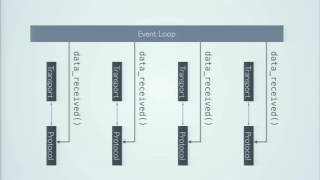
Writing Redis in Python with Asyncio
Explore asyncio by building a Redis-like data structure server in Python. Learn to handle commands, implement pub/sub, and tackle persistence in asynchronous programming.
High Availability Scaling with Share Nothing Architecture
Explore high availability scaling using Share Nothing Architecture, covering automated systems, data distribution, and tools like Celery and Redis for worldwide performance and availability.

How to Conquer the World
Learn to develop a genetic algorithm in Python to master the board game Risk, exploring object-oriented design and AI strategies for game simulation and optimization.

I Hate You, NLP
Explore sentiment analysis in Python, from basic semantic mapping to advanced machine learning techniques. Learn pitfalls, see hands-on code, and discover tools for accurate emotion detection in text data.

High Performance Python on Intel Many-Core Architecture
Explore high-performance Python acceleration on Intel processors for scientific computing, data analytics, and machine learning, focusing on the latest Intel architectures and software tools.