Plone 5 and How to Use Machine Learning With It
Explore integrating machine learning with Plone 5 CMS using sklearn for content classification and clustering, featuring real-world use cases and enhanced frontend development.
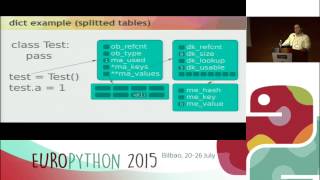
Playing with CPython Objects Internals
Explore CPython object internals, from simple to complex types. Learn to manipulate instance data using ctypes and perform unconventional operations on Python objects.
What's the Fuzz All About - Randomized Data Generation for Robust Unit Testing
Explore randomized data generation for robust unit testing using the Hypothesis library in Python, enhancing test coverage and detecting potential bugs through dynamic testing approaches.
Testing with Two Failure Seeking Missiles - Fuzzing and Property Based Testing
Explore advanced testing techniques using Hypothesis for property-based testing and American fuzzy lop for fuzzing, enhancing code coverage and uncovering hidden bugs in Python applications.
Designing a Scalable and Distributed Application
Learn to design a scalable, distributed application using consul and uWSGI. Covers automatic service registration, health checking, distributed storage, and multi-datacenter awareness for global scalability.
How to Build a Spreadsheet with Python
Learn to build a spreadsheet from scratch using Python, covering data representation, cell objects, formula evaluation, dependency graphs, and custom functions. Gain insights into spreadsheet mechanics.
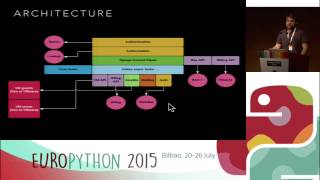
Architecture of a Cloud Hosting Service Using Python Technologies - Django, Ansible, and Celery
Explore the architecture of a cloud hosting service using Django, Ansible, and Celery. Learn about VM management, microservices integration, and University of Cambridge IT services.
Taking the Pain Out of Passwords and Authentication
Explore modern authentication techniques, including UAF and U2F standards, to improve security and user experience. Learn integration methods for Python frameworks like Django.
Building a RESTful Real-Time Analytics System with Pyramid
Learn to build a scalable RESTful real-time analytics system using Pyramid, exploring architecture, tools, and deployment strategies for handling billions of page impressions in a Big Data context.

Eight Rules for Dumb Development
Eight rules for simplifying development, focusing on clarity and manageable complexity. Learn to write code that's easier to understand, debug, and maintain.
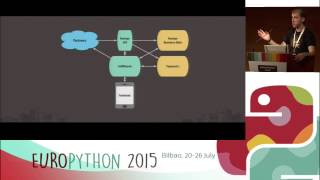
Arrested Development - Surviving the Awkward Adolescence of a Microservices-Based Application
Explore challenges and solutions in evolving microservices architecture, focusing on functional, cultural, and reliability aspects. Learn from real-world experiences and Python-specific tools for graceful growth.
Just Because You Can, Doesn't Mean You Should
Explores antipatterns in Python library design, discussing type checking, API design, resource management, and networking. Emphasizes balancing convenience with flexibility, readability, and predictability.
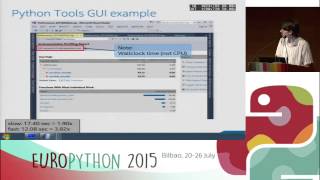
Tuning Python Applications Can Dramatically Increase Performance
Discover an experimental Python profiler with low overhead, line-level insights, and no source code modification. Learn to identify quick optimizations for significant performance gains.

Machine Learning for Dummies with Python
Beginner-friendly introduction to machine learning using Python and open-source libraries. Learn to implement basic ML concepts without advanced math skills.
A Million Children and MicroPython
Discover how MicroPython and the BBC micro:bit are revolutionizing coding education for UK children. Learn about this innovative project and how the Python community can get involved.
Efficient Django
Explore Django scalability, performance optimization, and efficient coding techniques. Learn to identify bottlenecks, improve database performance, and implement caching strategies for faster web applications.
Dynamic Class Generation in Python
Explore dynamic class generation in Python: runtime class creation, benefits, challenges, and practical applications, using boto3 as an example to illustrate techniques and best practices.
Python and Async Programming
Explore Python's async programming approaches, including Futures, asyncio, coroutines, and event loops. Learn best practices for efficient asynchronous code in Python 3.4 and 3.5.

Is That Spam in My Ham?
Learn to build a basic spam classifier using Python and Naive Bayes. Explore key machine learning concepts, implement a model to detect spam emails, and understand how to measure and improve classification performance.
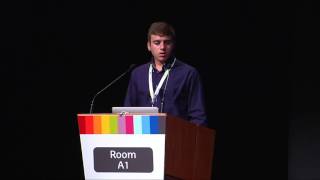
Build and Control a Python-Powered Robot
Learn to build a Python-powered robot using Raspberry Pi, OpenCV, and gpiozero. Explore hardware options, computer vision algorithms, and GPIO control for creating an interactive, people-recognizing robot.
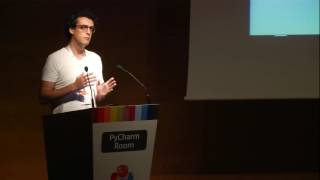
Hyperconvergence Meets BigData
Explore deploying Wendelin, a Big Data & Machine Learning platform, using SlapOS, a hyperconverged OS. Learn to create and manage a complete Big Data infrastructure with Python-based tools.