Digitale Mündigkeit in Schulen - Ethische Dilemmata von Betriebssystemen im Schulkontext
Erkunden Sie ethische Dilemmata von Betriebssystemen im Schulkontext und diskutieren Sie Visionen für eine verantwortungsvolle digitale Bildung, die Schüler zu mündigen Nutzern macht.
Reisebericht aus dem Mediendschungel - Erfahrungen im modernen Medienbetrieb
Erfahre Einblicke in die Mechanismen des Medienbetriebs aus erster Hand. Erkunde die Macht von Presse und Algorithmen anhand persönlicher Erfahrungen in Podcasting, Radio und YouTube.
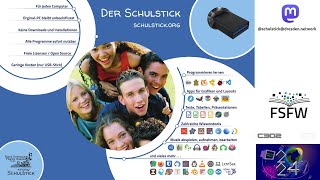
Die FSFW Schul-, Uni- und Makersticks - Freie Software für Bildung und Maker
Entdecke eine vielseitige Linux-basierte Lernplattform auf USB-Stick für Schüler und Studenten. Nutze freie Software und Bildungsressourcen ohne Installation auf jedem Computer.
Privatsphäreschonende Gesundheitsdatenverarbeitung
Erfahre, wie Gesundheitsdaten für Forschungszwecke genutzt werden können, ohne die Privatsphäre zu verletzen. Entdecke innovative Ansätze zum Schutz sensibler Informationen im europäischen Gesundheitsdatenraum.
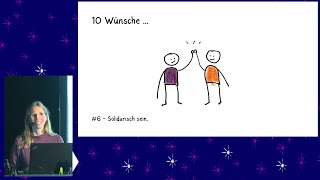
Digital Fight Club - Was hat das Netz je Gutes für uns getan?
Entdecke die positiven Aspekte des Internets: Kommunikation, Wissensaustausch und Zusammenarbeit. Lerne, wie du digitale Mündigkeit erlangst und aktiv eine freie, nachhaltige Online-Zukunft gestaltest.
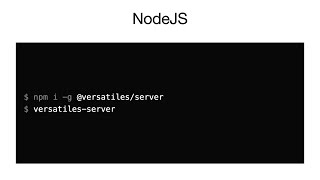
VersaTiles - Freie Karten für Alle
Erstelle und veröffentliche eigene interaktive Karten mit VersaTiles, einem flexiblen, kostenlosen Kartenstack. Lerne verschiedene Implementierungsmöglichkeiten und Anwendungsbeispiele kennen.
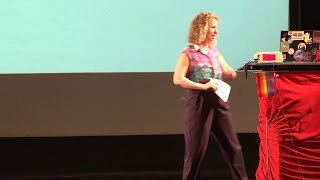
Give Data Back - Soll ichs wirklich machen oder lass ichs lieber sein?
Erkunde die ethischen Fragen zur Freigabe persönlicher Daten für KI-Training und die Kontrolle über eigene Informationen in großen Sprachmodellen.
BMS and All That - Lecture 2
Explore advanced concepts in BMS theory and related mathematical topics through an in-depth lecture by C Heissenberg, expanding on previous discussions.

Introduction to CUDA Programming for Physicists - Lecture 1
Explore CUDA programming fundamentals for physicists, covering essential concepts and techniques to leverage GPU computing in scientific applications.
Instalación de Nvidia Cudnn y Primeros Pasos con NVCC en C++
Aprende a instalar Cudnn, la biblioteca de redes neuronales profundas de CUDA, y comienza a desarrollar aplicaciones de aprendizaje automático con soporte GPU en C++.
Neo4J: Knowledge Graph, Semantic Search, and Topic Extraction with Langchain and Phi3 - Part 1
Aprende a crear una base de conocimientos gráfica con Neo4J, extrayendo temas y palabras clave de textos mediante Langchain y el modelo Phi3 de Microsoft.
Neo4J Knowledge Graph Builder App with Langchain, OpenAI, and Gemini - Introduction and Installation
Aprende a crear Knowledge Graphs con Neo4J, integrando OpenAI y Gemini para procesar información no estructurada de diversas fuentes.
Como Crear un Dockerfile y Docker Compose - Ejemplo Práctico de Machine Learning
Aprende a crear Dockerfiles y Docker Compose Files con un ejemplo práctico de machine learning, desde la composición de contenedores hasta la infraestructura completa.
MLOPS LLMs: Converting Microsoft Phi3 to GGUF Format with LLaMA.cpp
Aprende a cuantizar el modelo Microsoft Phi3 a formatos bf16, fp16 o q8_0 utilizando LLaMA.cpp para optimizar el rendimiento de LLMs.
MLOPS LLMs - Converting Microsoft Phi3 to GGUF Format with LLaMA.cpp
Aprende a cuantizar el modelo Phi3 mini a diferentes tipos de datos utilizando LLama.cpp para optimizar el rendimiento y la eficiencia.
Microsoft LLMs: Phi3 Vision 128k Instruct and Florence Large - Introduction to Multimodal Models
Explora los modelos multimodales de Microsoft: Phi3 Vision Instruct 128k y Florence Large. Descubre sus capacidades y aplicaciones en ciencia de datos e inteligencia artificial.
MLOps with MLFlow: Comparing Microsoft Phi3 Mini 128k in GGUF, MLFlow, and ONNX Formats
Explora el modelo Phi3 Mini 128k en formatos MLFlow, GGUF y ONNX. Compara rendimiento y precisión en diferentes configuraciones. Aprende a implementar y optimizar modelos de lenguaje para diversas plataformas.
MLOps MLFlow: Trabajar con Spacy NLP y Entrenar Modelo NER
Aprende a entrenar un modelo NER personalizado utilizando Spacy y MLflow para optimizar el flujo de trabajo de procesamiento de lenguaje natural.
Langchain: Cómo Encadenar Múltiples Chains en Español
Aprende a encadenar y ejecutar Chains de forma secuencial o paralela en Langchain para optimizar el procesamiento de lenguaje natural.
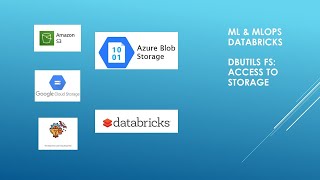
Databricks MLOps: Accessing Data with Dbutils FS in Azure, AWS, and GCP
Aprende a utilizar Databricks FS para acceder a archivos en Azure Blob, AWS S3 y Google Cloud Storage, mejorando tus habilidades en MLOps y ciencia de datos.
Langchain: RAG QA Tool with Gemini Pro, Langchain, and Chroma - Spanish Tutorial
Crea una herramienta de preguntas y respuestas utilizando RAG, Gemini Pro, Langchain y Chroma para analizar documentos legales en PDF.