
Python Anti-Patterns
Explore common Python anti-patterns and learn how to avoid them, improving code quality and maintainability in your projects.
Getting Started with Statically Typed Programming in Python 3.10
Comprehensive guide to static typing in Python 3.10, covering basic usage, new features, and best practices for improved code quality and development experience.
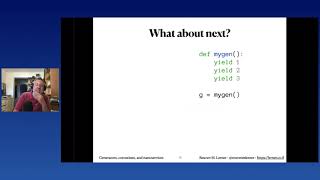
Generators, Coroutines, and Nanoservices
Explore Python generators, coroutines, and nanoservices. Learn advanced techniques like 'send' method and 'yield from' syntax. Discover practical applications and think of coroutines as in-process nanoservices for efficient programming.
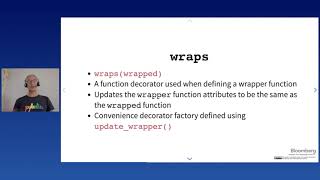
A Hitchhiker's Guide to Functools
Explore higher-order functions in Python's functools module, learning to enhance code with powerful tools like partial, total ordering, reduce, and single dispatch.
We Build a ML Pipeline After We Deploy
Discover essential strategies for building end-to-end machine learning pipelines, covering automation, engineering, debugging, and monitoring using Python libraries.

Build Serverless Python Applications Using AWS Chalice
Develop and deploy serverless Python applications on AWS using Chalice framework. Learn to create RESTful APIs, integrate AWS services, and leverage serverless architecture for efficient development.
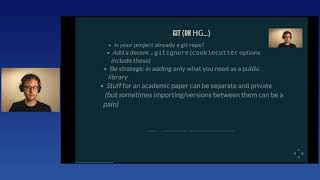
From Research Project to PyPI Release
Learn to transform a research project into a publicly released Python package, covering testing, CI, documentation, and citation on Zenodo. Ideal for researchers seeking to increase impact and visibility of their work.
Dependency Injection - Stealing Cool Stuff from the Weird Kids
Explore dependency injection in Python: its concept, benefits, and implementation examples to enhance your engineering skills and code design.
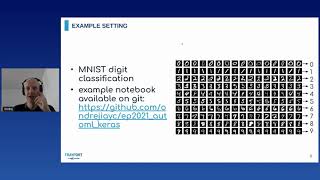
Automated Machine Learning With Keras
Explore automated machine learning with Keras Tuner and AutoKeras, enabling efficient development of high-performance deep learning models while requiring less expertise and effort.
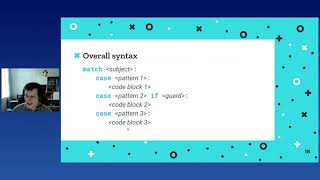
Pattern Matching in Python
Explore Python 3.10's Structural Pattern Matching feature with its contributor. Learn motivations, problem-solving applications, and best practices for this powerful data processing tool.
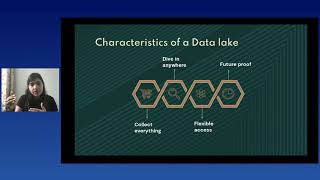
Data Lake - Design for Schema Evolution
Explore data lake design strategies for managing schema evolution, focusing on storage, scalability, and AVRO format implementation. Learn best practices for maintaining data integrity and compatibility.
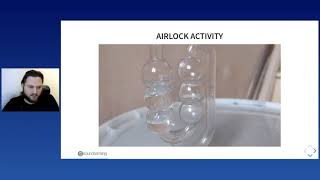
Sound Event Detection with Machine Learning
Aprenda a implementar detección de eventos sonoros con aprendizaje automático, desde la recopilación de datos hasta el entrenamiento de redes neuronales y la evaluación del sistema, utilizando Python y bibliotecas populares.
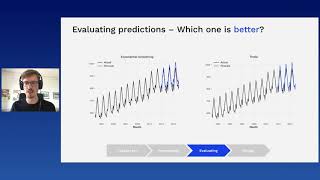
Darts - Unifying Time Series Forecasting Models from ARIMA to Deep Learning
Explore time series forecasting with Darts, a Python library unifying traditional and deep learning models. Learn best practices for preprocessing, backtesting, and achieving quick results in forecasting problems.
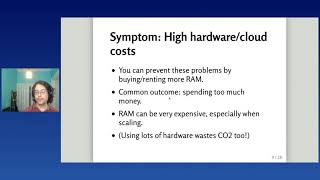
Measuring Memory - Python Memory Profilers and When to Use Them
Learn to measure and optimize Python memory usage, exploring profilers for different scenarios like web apps and data processing to prevent crashes and improve performance.
The Libre-SOC Project
Explore the Libre-SOC Project: an open-source initiative using Python to create a programmable, spy-free System-on-a-Chip for smartphones and computers, emphasizing transparency and user control.
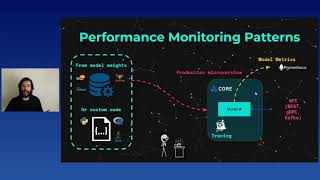
Production ML Monitoring - Outliers, Drift, Explainers & Statistical Performance
Practical deep dive into advanced ML monitoring techniques, covering outliers, drift, explainers, and statistical performance for robust production deployment and scalability.
Python and Flutter Application for Colouring and Enhancing Old Photos
Learn to colorize and enhance old photos using Python and Flutter, exploring deep learning models, API development, and mobile app creation for efficient image processing.
A Tale of Python C Extensions and Cross-Platform Wheels
Explore Python C extensions, C-API, and pybind11. Learn to package cross-platform wheels for Linux, macOS, and Windows, enabling easy installation via pip and automatic PyPI deployment.
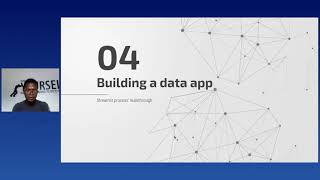
Streamlit - The Fastest Way to Build Data Apps
Discover how to rapidly create data science apps using Streamlit, an open-source framework that simplifies development with Python scripts, eliminating the need for front-end coding.
Developing Flask Applications for Google Cloud
Learn to build Flask apps for Cloud Run, using Cloud Code for faster development. Explore integration with Cloud SQL, Pub/Sub, and Secret Manager on Google Cloud's serverless platform.
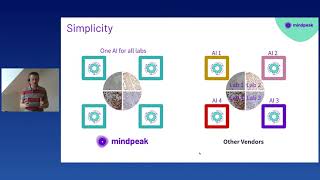
Speeding Up the Deep Learning Development Life Cycle for Cancer Diagnostics
Optimizing deep learning development for cancer diagnostics: strategies to accelerate iteration, from task prioritization to GPU parallelization, enhancing model robustness across diverse laboratory settings.