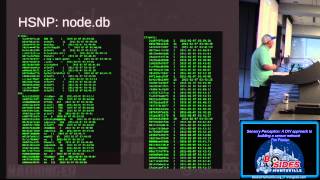
Sensory Perception - A DIY Approach to Building a Sensor Network
Explore DIY sensor network creation, from concept to deployment, with insights on requirements, implementation, and data management for comprehensive coverage.
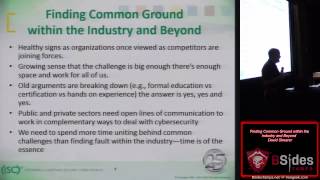
Finding Common Ground Within the Industry and Beyond
Explore strategies for uniting the cybersecurity industry, addressing underrepresented groups, and tackling emerging challenges in healthcare, IoT, and critical infrastructure.
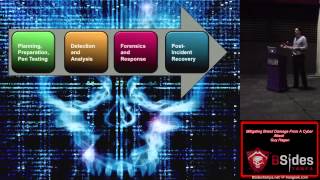
Mitigating Brand Damage From a Cyber Attack
Learn strategies to protect your brand during cyber attacks, including monitoring, communication, and decision-making to minimize reputational damage and maintain stakeholder trust.

Presenting Security Metrics to the Board
Learn effective strategies for presenting security metrics to executive boards, focusing on clear communication, risk quantification, and tailoring your approach to board expectations.
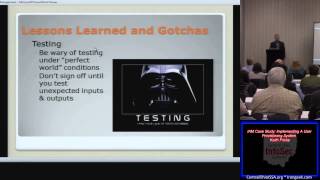
IAM Case Study - Implementing A User Provisioning System
Explore a real-world case study on implementing a user provisioning system, focusing on identity and access management challenges and solutions in enterprise environments.
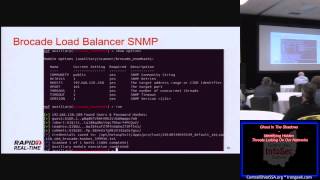
Ghost in the Shadows - Identifying Hidden Threats Lurking on Our Networks
Explore hidden network threats, focusing on embedded devices, printers, SNMP, and wireless security. Learn strategies to protect your environment and manage vulnerabilities effectively.

Software Security Cryptography
Learn cryptography essentials for software security, including encryption, data management, and handling sensitive information. Explore threat modeling and prioritize security investments.

Tech101 - IT Isn't Rocket Science
Demystifying IT concepts and practices for non-technical professionals, emphasizing practical understanding and application in everyday business contexts.
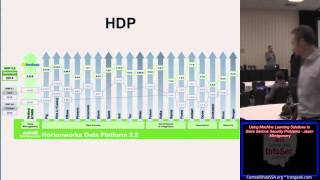
Using Machine Learning Solutions to Solve Serious Security Problems
Explore machine learning applications in cybersecurity, focusing on anti-cheat systems, big data analysis with Hadoop, and anomaly detection using decision trees and SVMs for enhanced threat prevention.
Having Your Cake and Eating It Too - Deploying DLP Services in a Next Generation Firewall Environment
Learn to deploy Data Loss Prevention services in Next Generation Firewall environments, balancing security and efficiency for optimal network protection.
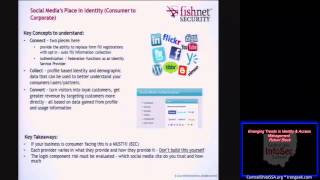
Emerging Trends in Identity Access Management
Explore emerging trends in identity access management, covering consumer identity, social media integration, corporate strategies, and device identity.
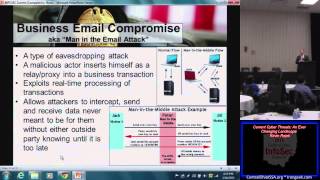
Current Cyber Threats - An Ever Changing Landscape
Explore evolving cyber threats, attack vectors, and protective strategies with FBI insights. Learn about ransomware, social engineering, and national security implications in the digital age.
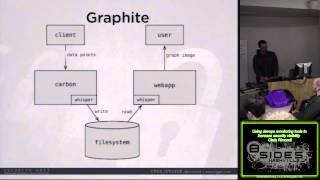
Using DevOps Monitoring Tools to Increase Security Visibility
Explore how DevOps monitoring tools can enhance security visibility, providing insights to improve threat detection and response in IT environments.
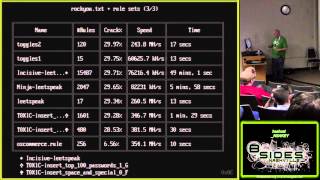
Hashcat NSAKEY
Explore advanced password cracking techniques using hashcat, focusing on the NSAKEY vulnerability and its implications for system security.
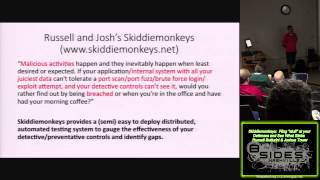
Skiddiemonkeys Fling Stuff at Your Defenses and See What Sticks
Explore automated malware simulation tools for testing network defenses, including architecture, implementation, and future plans for enhancing security assessments.

DNS Spikes, Strikes, and The Like
Explore DNS data analysis techniques, including passive DNS, reputation assessment, and unsupervised learning, to detect and mitigate domain shadowing and other malicious activities.

How SecOps Can Convince DevOps To Believe In The Bogeyman
Learn strategies for SecOps to effectively communicate security risks to DevOps teams, fostering collaboration and enhancing overall system protection.
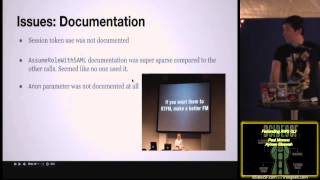
Federating AWS CLI
Explore AWS CLI federation, addressing credential management challenges and implementing solutions using SAML, LDAP, and AWS STS for improved security and efficiency.
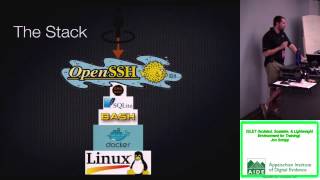
ISLET - Isolated, Scalable, & Lightweight Environment for Training
Explore ISLET: a containerized environment for scalable, isolated training. Learn about its benefits, use cases, security features, and implementation using Docker.
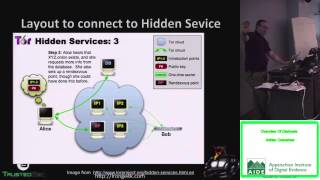
Overview of Darknets
Explore darknets, including Tor, Freenet, and I2P, covering installation, operation modes, pros/cons, and security considerations for anonymous online communication.
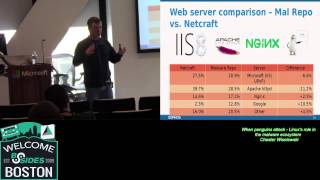
When Penguins Attack - Linux's Role in the Malware Ecosystem
Explore Linux's vulnerability to malware attacks and its role in the broader malware ecosystem. Gain insights into penguin-themed threats and cybersecurity challenges.