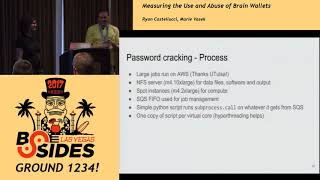
Measuring the Use and Abuse of Brain Wallets
Explore the security vulnerabilities of brain wallets in cryptocurrency, analyzing usage patterns, draining techniques, and implications for blockchain technology.
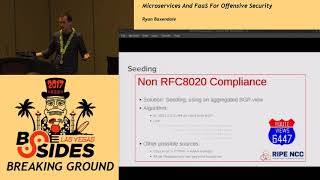
Microservices and FaaS for Offensive Security
Explore offensive security using microservices and FaaS, covering Lambda, Google Cloud, IBM OpenWhisk, and more. Learn practical applications and improvements for cybersecurity projects.

GO Forth And Reverse
Explore Go language reverse engineering challenges, tool limitations, and strategies for function recovery and string analysis. Learn heuristics and resources for effective Go binary analysis.
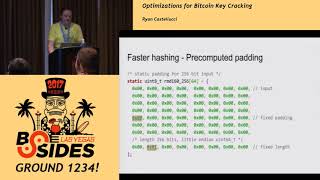
Optimizations for Bitcoin Key Cracking
Explore optimizations for Bitcoin key cracking, covering cryptographic concepts, algorithms, and techniques to enhance security and efficiency in cryptocurrency systems.
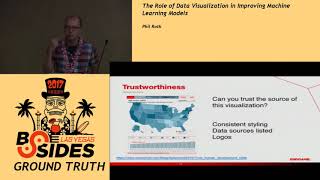
The Role of Data Visualization in Improving Machine Learning Models
Explore data visualization techniques to enhance machine learning models for malware detection, with practical insights and a live demonstration.
Robust Defense for the Rest of Us
Discover practical strategies for robust network defense, tailored for small organizations with limited resources. Learn how to leverage flexibility and homefield advantage for effective cybersecurity.
How to Respond to Cops Who Want Your Passwords
Learn strategies for protecting digital privacy when interacting with law enforcement, including legal rights, threat modeling, and best practices for device security at borders.

Empirical Exploitation
Explore empirical exploitation techniques, quantifying security research, and analyzing various attack vectors and vulnerabilities across networks and devices.
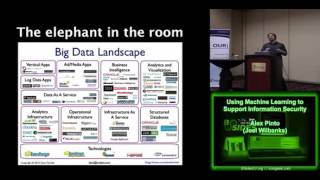
Using Machine Learning to Support Information Security
Explore machine learning applications in information security, covering fraud detection, spam filtering, and data quality improvement for enhanced cybersecurity strategies.

Hack the Hustle! Career Strategies for Information Security Professionals
Discover effective career strategies for information security professionals, including resume tips, job market insights, and leveraging social media to advance your cybersecurity career.
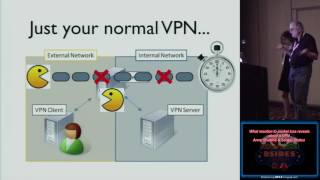
What Reaction to Packet Loss Reveals About VPN
Explore VPN behavior under packet loss, analyzing timing patterns and network algorithms to understand security implications and potential vulnerabilities.
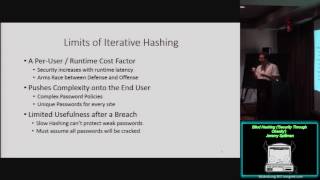
Blind Hashing
Explore blind hashing for enhanced password security, covering attack vectors, online vs offline attacks, and strategies to scale and protect against various threats.
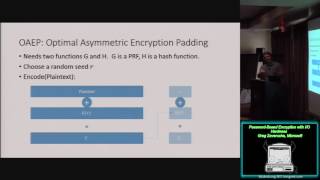
Stronger Password-Based Encryption Using I/O Hardness
Explore innovative techniques for enhancing password-based encryption through I/O hardness, comparing schemes and costs to improve security in the digital age.
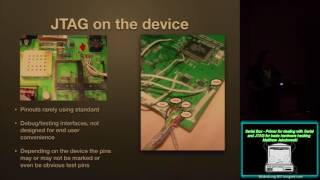
Serial Box - Primer for Dealing with Serial and JTAG for Basic Hardware Hacking
Learn essential hardware hacking techniques focusing on Serial and JTAG interfaces. Explore embedded devices, TTL signaling, and tools like OpenOCD for effective device communication and manipulation.

What Lurks in the Shadow
Explore the hidden risks of shadow IT, IoT, and mobile workforce in cybersecurity. Learn strategies for regaining control and mitigating threats in the modern digital landscape.
Why It's All Snake Oil - And That May Be Ok
Explore cybersecurity challenges, computational limitations, and the implications of "snake oil" solutions in modern technology and threat detection.
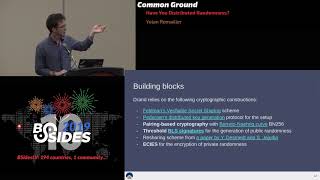
Have You Distributed Randomness?
Explore distributed randomness generation, its importance in cryptography, and the innovative drand protocol for secure, decentralized random number creation.
Who dis? The Right Way To Authenticate
Explore secure authentication methods, including tokens, OAuth, and SAML. Learn best practices, common issues, and key takeaways for implementing robust authentication in your systems.

Scheming with Machines
Explore machine learning techniques for sandbox detection, feature selection, and model deployment in cybersecurity. Gain insights on client-side models and data acquisition strategies.

Hacking the Pentagon - How a Rebel Alliance Shifts Culture to Protect National Security
Explore how a rebel alliance shifts Pentagon culture to enhance national security through innovative hacking, data science, and digital transformation strategies.

Old Things Are New Again - Efficient Automatic Signature Generation for Malware Detection
Explore efficient automatic signature generation for malware detection using machine learning techniques and engrams, with a focus on registry key signatures and practical applications.