
Sentiment Analysis on Any Length of Text With Transformers - Python
Learn to perform sentiment analysis on long texts using transformers in Python, overcoming token limitations through chunking and processing techniques for NLP tasks.
Build a Transformer for Language Classification in TensorFlow
Build a transformer-based sentiment classifier using HuggingFace's library in TensorFlow. Learn to download data, tokenize inputs, prepare datasets, define the model architecture, and train for multi-class sentiment analysis.
How to Build TensorFlow Pipelines with tf.data.Dataset
Learn to create efficient input pipelines for machine learning using TensorFlow's tf.data.Dataset API, enhancing data processing and model performance.

LangChain Agents Deep Dive with GPT 3.5 - LangChain
Explore LangChain agents to enhance LLMs with tools for logic, calculation, and search. Learn implementation, customization, and various agent types to superpower your AI applications.
Inclusive Search and Recommendations
Explore inclusive AI in personalized discovery systems, focusing on fairness, diversity, and privacy. Learn strategies for reducing bias and implementing responsible AI in search and recommendation algorithms.

Hacking Blockchain - Smart Contract Security and Exploitation
Explore Ethereum blockchain security: learn smart contract development, identify vulnerabilities, and understand Web3 trends. Gain insights into coding and exploiting blockchain technology.

Securing Managed Kubernetes Clusters
Explore Kubernetes security for managed cloud clusters, understanding threat models and gaining actionable recommendations for secure workload deployment in this comprehensive overview.

OWASP Secrets Management Cheat Sheet Overview - Best Practices for Secure Handling
Explore best practices for secrets management, including guidance for CI/CD pipelines, encryption, detection, and incident handling based on the OWASP Secrets Management Cheat Sheet.
A Hacker's Guide to Blockchain, Smart Contracts, and NFTs
Explore blockchain technology, smart contracts, and NFTs from a hacker's perspective, gaining insights into security implications and potential vulnerabilities.

Security While Scaling Agile - Lessons Learned
Integrating software security practices into scaled Agile frameworks: strategies, challenges, and lessons learned for maintaining security without impeding product delivery.
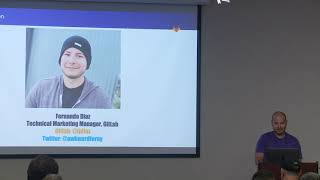
Kubernetes Ingress-Nginx Security from Beginner to Expert - 2019
Learn to secure Kubernetes applications using Nginx-Ingress Controller, covering various configuration techniques to protect against vulnerabilities and enhance overall cloud security.
Face Recognition and Privacy: Balancing Technology and Personal Rights - 2019
Exploring face recognition technology, its applications, privacy implications, and global legislation. Dispels myths and discusses potential for privacy-preserving implementations of this identification method.

Cryptography: How Its Usage Affects Protection - 2018
Practical advice on proper cryptography usage in software and systems, covering design techniques, implementation best practices, and common pitfalls to avoid for secure application development.

Scanning IPv4 for Exposed Data and Vulnerable Databases
Exploring IPv4 scans to uncover exposed databases, revealing vulnerabilities in popular key-value stores and the risks of data theft and remote code execution in insecure setups.

Internet of Things Security Challenges and Approaches - 2016
Explore challenges and approaches for securing Internet of Things (IoT) devices, including heterogeneous environments, data gathering, and working with project sponsors to identify and resolve security issues.
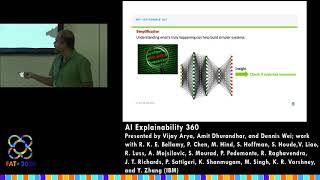
AI Explainability 360 - First Half of the Tutorial
Explore AI Explainability 360 toolkit: understand machine learning models, enhance transparency, and gain insights into AI decision-making processes for more responsible and ethical AI applications.

Self-Driving Car Simulation 2 - Collision Avoidance in Complex Environments
Explore collision avoidance techniques for self-driving cars through Unity simulations, focusing on raycast and centerline debugging methods for enhanced vehicle safety.

Tangible and Physical Interaction in the Wild - Today and Tomorrow
Exploring the evolution and future of tangible interfaces in real-world applications, from research labs to mass production, and their impact on user interaction and technology development.
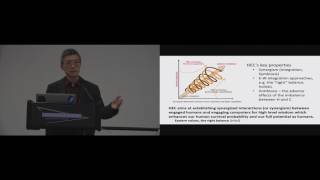
Human Computer Integration versus Powerful Tools
Experts debate the future of human-computer relationships, exploring symbiosis, integration, and powerful tools. Discusses implications for design, research, and society in this thought-provoking panel.

Data Management Fundamentals
Explore data management fundamentals, resources, and techniques for enhancing data discoverability and comprehension in scientific work and publications.
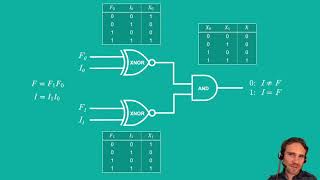
No Data, No Problem - Giving Nuclear Inspectors Better Tools Without Revealing State Secrets
Explore privacy-preserving computation in nuclear safeguards, focusing on garbled circuits for anomaly detection without compromising sensitive information between inspectors and facilities.