Refactoring Hacked
Explore advanced refactoring techniques to improve code quality, maintainability, and performance in complex software systems.

Making C++ Easier, Faster, Safer - Part 2
Explore advanced C++ techniques for improved performance, safety, and ease of use with insights from a leading expert in the field.
Faces of Undefined Behavior
Explore the nuances of undefined behavior in C++ programming, its impact on code execution, and strategies for avoiding potential pitfalls in software development.
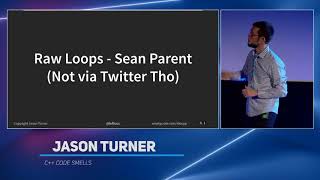
C++ Code Smells
Explore common C++ coding pitfalls and learn to identify "code smells" that may indicate potential issues, with insights from expert Jason Turner.
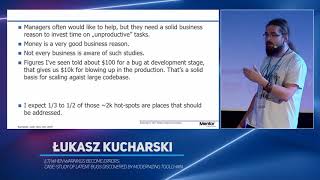
When Warnings Become Errors - A Case-Study of Latent Bugs
Explore real-world examples of latent C++ bugs uncovered during compiler updates and static analysis, highlighting the importance of modern tooling for code quality and maintainability.
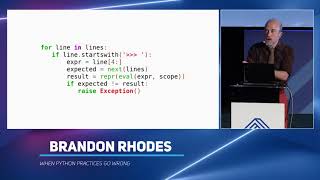
When Python Practices Go Wrong
Exploring common Python practices that can lead to issues, with insights on improving code readability and effectiveness in dynamic languages.
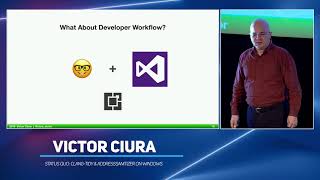
Status Quo - Clang-Tidy & AddressSanitizer on Windows
Explore clang-tidy for code improvement and AddressSanitizer for runtime analysis on Windows. Learn to write custom checks and leverage these powerful tools in Visual Studio C++ projects.
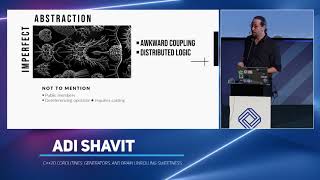
C++20 Coroutines - Generators, and Brain Unrolling Sweetness
Explore C++20 coroutines for creating generators and iterables, improving code clarity and abstraction. Learn to leverage coroutines for better composition and control flow in real-time applications.
Fresh Paint
Explore C++11's focus on writing simpler, cleaner, and more elegant code. Learn techniques for effective programming without delving into cutting-edge features.
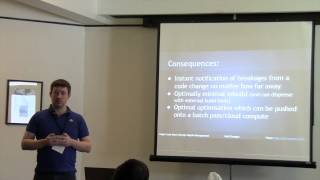
My Thoughts on Large Code Base Change Ripple Management in C++
Strategies for managing code changes in large C++ projects, focusing on minimizing ripple effects and maintaining stability during updates and refactoring.
Better Code
Explore techniques for improving existing codebases, defining good code, and navigating system tradeoffs in this insightful keynote on enhancing software quality and maintainability.
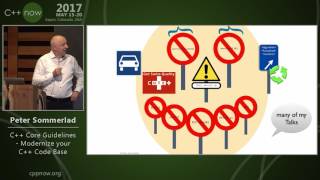
C++ Core Guidelines - Modernize Your C++ Code Base
Explore C++ Core Guidelines for modernizing codebases, focusing on safe practices, efficiency, and automated tooling to improve code quality without sacrificing performance.
Preconditions, Postconditions, Invariants - How They Help Write Robust Programs
Explore key concepts for program correctness: function contracts, preconditions, postconditions, and invariants. Learn to write more robust code, leverage tools, and distinguish between bugs and symptoms.

Beautiful Python Refactoring
Discover techniques for elegant Python refactoring, transforming verbose code into concise, expressive solutions. Learn to identify anti-patterns and create more declarative implementations.
When Is an Exception Not an Exception? Using Warnings in Python
Explore Python's warning system for handling minor issues without raising exceptions. Learn to generate, filter, and customize warnings for more nuanced error handling in your code.
Gradual Typing in Practice
Explore gradual typing in Python, its benefits for code quality, and strategies for implementing types in large codebases, focusing on Instagram's experience with Pyre.
Open Source on Easy Mode
Streamline open source project maintenance with automation tools and best practices for packaging, testing, CI/CD, documentation, and community engagement. Focus on the fun parts of development.
Kill All Mutants! - Intro to Mutation Testing
Discover mutation testing to enhance your test suite's effectiveness. Learn its principles, benefits, and implementation across various programming languages.
Modern, Typed Python for Multimodal ML - From Training to Deployment
Explore the benefits of Python type hints in machine learning, from improving code quality to organizing multimodal data and bridging the gap between training and deployment.
Refactoring PyChart
Explore techniques for improving PyChart's code structure and performance, enhancing its functionality and maintainability for data visualization projects.
Clone Detection in Python
Explore techniques for identifying and managing code duplication in Python projects, enhancing software quality and maintainability.