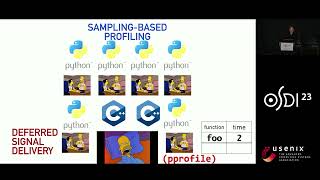
Triangulating Python Performance Issues with Scalene
Discover Scalene: a precise, low-overhead profiler for Python that tracks CPU, memory, and GPU usage. Learn how it helps optimize code and pinpoint performance bottlenecks.
TornadoVM - Write Once, Run Everywhere Everywhere
Explore TornadoVM's capabilities for accelerating Java applications on heterogeneous hardware, enabling efficient execution across diverse computing platforms.

Write Your Own Java Profiler in 240 Lines of Pure Java
Learn to create a Java profiler from scratch, exploring performance analysis techniques and JVM internals for efficient code optimization.
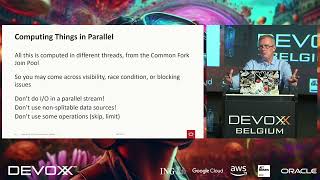
SIMD Parallel Programming with the Vector API
Explore SIMD parallel programming techniques using the Vector API, enhancing performance and efficiency in Java applications.
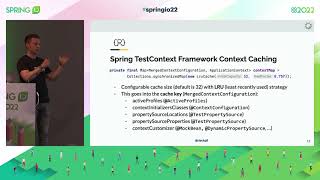
How Fixing a Broken Window Cut Down Our Build Time by 50%
Discover how addressing a flawed test setup significantly reduced build time, exploring best practices and antipatterns for Spring Boot application testing and TestContext reuse.

Fastware
Explore techniques for writing fast code, including optimizing linear find algorithms and partitioning data structures, with insights from Andrei Alexandrescu's upcoming book on efficient programming.
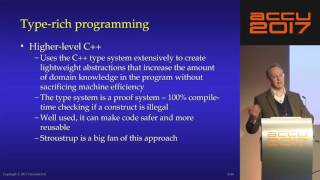
The C++ Type System Is Your Friend
Explore how C++ type system and templates can create efficient, safe, and reusable code through lightweight abstractions, type-rich APIs, and zero-overhead template techniques.

Class Template Argument Deduction in C++17
Comprehensive introduction to Class Template Argument Deduction in C++17, covering usage, benefits, pitfalls, and language rules for cleaner, shorter code in both standard library and custom classes.

Nothing Is Better Than Copy or Move
Explore C++ move semantics, copy elision, and temporary materialization through practical examples, focusing on efficient object creation and optimization techniques.

An Overview of Standard Ranges
Comprehensive exploration of C++20 ranges, showcasing their benefits in reducing verbosity, enhancing code correctness, and potentially improving performance. Includes practical examples and implementation insights.
Rethinking the Way We Do Templates in C++
Explore advanced template metaprogramming techniques in C++, focusing on improved compile-time errors, shorter type names, and optimized compilation times. Learn from real-world examples and benchmarks.
Standard Attributes in C and C++
In-depth exploration of standard attributes in C and C++, covering syntax, semantics, use cases, and guidelines for effective implementation across various language versions.
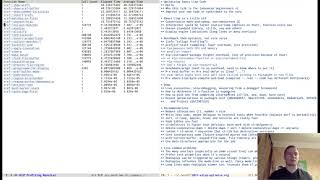
Optimizing Emacs Lisp Code
Explore techniques for optimizing Emacs Lisp code, including benchmarking, live evaluation, and byte-compilation. Learn to identify bottlenecks and choose efficient alternatives for improved performance.
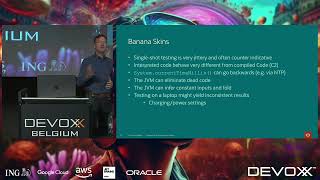
With Java 21, Your Code Runs Even Faster - But How is that Possible?
Explore Java 21's performance enhancements and the underlying mechanisms driving faster code execution in this insightful presentation by Per Minborg.

Building Functional Front-ends with ClojureScript
Explore ClojureScript for building robust front-ends with functional programming, leveraging immutable data structures, macros, and JVM optimizations for enhanced performance and reliability.

Demystifying Memory Leaks in JavaScript
Explore Node.js internals, profilers, and garbage collection to identify and fix memory leaks, ensuring safer, faster, and more efficient JavaScript applications.

Go - Optimizing For Correctness
Explore Go programming techniques for optimizing code correctness, focusing on best practices and strategies to enhance reliability and maintainability.

Faster than Memcpy
Explore optimization techniques for high-performance image processing, focusing on multi-threading and SIMD instructions for x86-64 architecture to achieve faster-than-memcpy speeds.
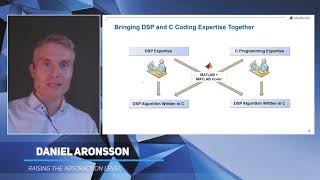
Raising the Abstraction Level
Explore how high-level MATLAB code can be converted to efficient C++ or CUDA, integrating hand-coded sources and using modern tools for bug detection and runtime error prevention.
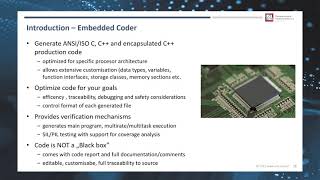
Automating Code Generation for Embedded Systems
Explore automated code generation for embedded systems, transforming high-level algorithms into optimized C/C++ code. Learn about enhancing efficiency, ensuring traceability, and meeting safety standards in software development.

Beautiful Python Refactoring II
Explore advanced Python refactoring techniques to enhance code readability, efficiency, and maintainability. Learn from real-world examples and best practices for writing elegant, pythonic code.