
From UART to PCIe and DMA - Selecting Connectivity for FPGA-based Subsystems
Explore FPGA connectivity options from UART to PCIe and DMA, covering physical layers, hardware abstraction, and advanced techniques for efficient subsystem design and implementation.
Hack42 FPGA Workshop
Learn to program FPGAs, exploring hardware design principles and practical applications in this hands-on workshop. Gain skills in digital logic and reconfigurable computing.
Insights on Re-Architecting to a Single Codebase for Multiple Hardware Platforms
Explore strategies for unifying codebases across diverse hardware platforms using Zephyr OS, enhancing efficiency in multi-product portfolios with common sensor and data functionalities.
Testing and Remote Access to Embedded System DPI/LVDS Display Output
Explore FPGA-based device for capturing and analyzing embedded system display output, enabling remote access and precise timing verification for LCD panels.

How to Select and Place ESD Components to Protect Your Boards
Comprehensive guide on selecting and implementing ESD protection for PCBs, covering standards, component selection, placement strategies, and simulation techniques for optimal board protection.
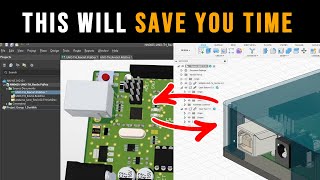
How to Connect Altium With a Mechanical CAD Software - Here Is an Example
Learn to integrate Altium Designer with Fusion 360 for PCB design, including importing boards, creating enclosures, and synchronizing changes between software for efficient electronic product development.
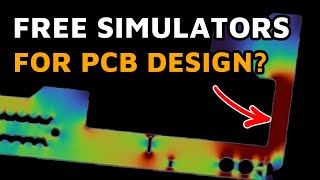
How to Simulate PCB in Open Source Software
Step-by-step tutorial on simulating PCB power delivery networks using open-source software, covering export, conversion, setup, and result analysis, with comparisons to paid tools and real measurements.

Building a Physical "Connections" Word Puzzle with RFID and ESP32
Build a physical "Connections" word puzzle using RFID readers and microcontrollers. Learn component overview, wiring, PCB design, and coding for an infinitely replayable game suitable for schools, events, or escape rooms.
Opensource Code Linting for Chip Design and Verification
Explore open-source code linting techniques for chip design and verification, enhancing quality and efficiency in semiconductor development processes.

Building FPGA-based Machine Learning Accelerators in Python
Explore building ML accelerators on affordable FPGAs using Python-based tools. Learn about open-source and proprietary options for FPGA development and the broader silicon landscape.

Custom ESP32 Board Design in Altium Designer - Full Tutorial
Comprehensive tutorial on creating a custom ESP32 board using Altium Designer, covering schematic design, PCB layout, manufacturing, and programming. Ideal for hardware enthusiasts and engineers.
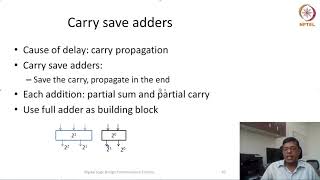
Multiple Operand Adder - Carry Save Adder
Explore carry save adder techniques for efficient multiple operand addition in digital circuits.
Introduction to Digital IC Design
Explore fundamental concepts and principles of digital integrated circuit design, laying the groundwork for advanced electronic systems development.
Automated Simulation-Based Flow for Low-Cost FPGA-Accelerated Devices with Zephyr on BeagleV-Fire
Explore FPGA acceleration with Zephyr on BeagleV-Fire: Learn to design custom peripherals, integrate with firmware, and simulate using Renode for efficient low-power, high-performance systems.
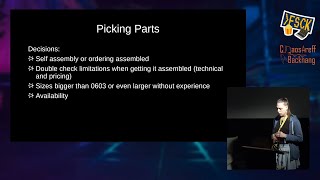
PCB Design for Beginners - From Basics to First Board
A beginner-friendly journey into PCB design, covering essential knowledge, design choices, and common pitfalls. Learn the basics of creating your first circuit board from scratch.
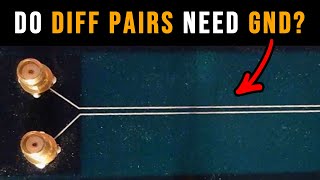
Do Differential Pairs Need Ground? Explained by Eric Bogatin
Explore the importance of ground in differential pair signals for PCB design. Learn about signal behavior, simulations, and real-world examples to optimize high-speed digital layouts.
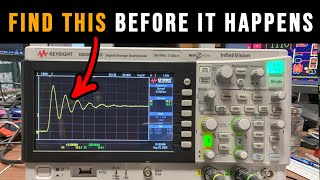
The Simplest PCB Track Simulation vs. Measurement - Ringing Analysis and Solutions
Explore PCB track simulation techniques to prevent ringing issues, comparing simulated results with real measurements. Learn to create accurate models for improved circuit design and performance.

How to Implement Ethernet in FPGA - Easy Tutorial
Comprehensive tutorial on implementing Ethernet in FPGA, covering block diagrams, project setup, schematic creation, IP blocks, pin assignments, code synthesis, firmware upload, testing, and Python script integration.
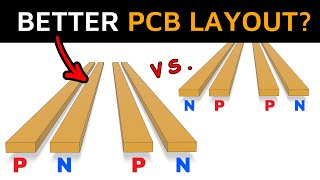
PCB Layout of Differential Pairs vs. Crosstalk - Track Polarity and Arrangement
Explore PCB layout techniques for differential pairs, analyzing crosstalk effects and track polarity. Learn simulation methods and best practices for optimal signal integrity in high-speed designs.

Building FPGA-based Machine Learning Accelerators in Python
Explore building affordable FPGA-based ML accelerators using Python tools like PyTorch, ONNX, Migen, and LiteX. Learn about open-source silicon and vendor tools for cost-effective hardware development.
Building a Maximum Power Point Tracker (MPPT) Solar Charge Controller
Learn to build a maximum power point tracking solar charge controller for optimal solar panel efficiency in electronics projects.