
Code Chess in JavaScript
Learn to build a functional chess game using JavaScript, covering piece movement, board setup, and game logic in a beginner-friendly tutorial.

Master JavaScript Drag and Drop with Chess Example
Learn to implement drag and drop functionality in JavaScript using a chess game example, enhancing your web development skills and creating interactive user interfaces.
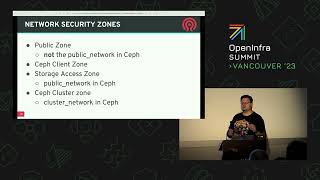
Data Security and Storage Hardening in Rook and Ceph
Explore comprehensive security strategies for Ceph storage systems, from threat modeling and encryption to access controls, focusing on practical hardening techniques for robust data protection.
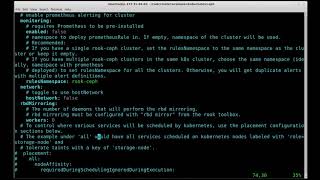
Kubernetes - Getting Started with Rook
Learn to deploy Rook with Ceph for Kubernetes storage, create PVCs and pods, and understand ReadOnlyOnce. Gain practical skills for efficient container storage management.
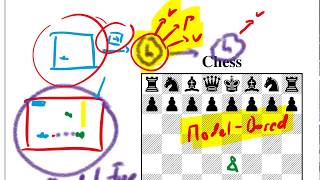
MuZero - Mastering Atari, Go, Chess, and Shogi by Planning with a Learned Model
MuZero: AI algorithm combining tree-based search with learned model for superhuman performance in complex domains without prior knowledge of dynamics. Predicts rewards, policies, and value functions.

Player of Games - All the Games, One Algorithm!
Explore a groundbreaking AI algorithm that excels in both perfect and imperfect information games, unifying approaches for chess, Go, poker, and more through guided search, self-play learning, and game theory.
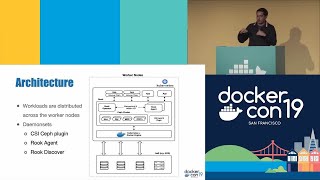
Kubernetes Updates: Container Storage Interface, Windows Support, and Stateful Applications
Explore Kubernetes updates, including CSI, Windows support, and Istio as an Ingress Controller. Learn about stateful applications with Rook and participate in a community discussion.

Doing Great Things from a Small Place
Inspirational talk on how small actions by young people can create significant societal impact, featuring Tunde Onakoya's Chess in Slums Africa initiative as a powerful example of social intervention.
Investing in Humanity
Tunde Onakoya shares his journey and the impact of Chess in Slums Africa, empowering underprivileged youth through chess education and literacy programs in Lagos' impoverished communities.
Cat & Mouse - or Chess?
Explore IT security strategies through the lens of cat-and-mouse games and chess, examining tactical approaches for effective cybersecurity in this conference talk by Fabian Mosch.
Whatever Can Go Wrong, Will Go Wrong – Rook/Ceph and Storage Failures
Explore storage resilience in Kubernetes clusters using Rook/Ceph, including failure scenarios, recovery processes, and impact on applications through live demonstrations and real-world examples.
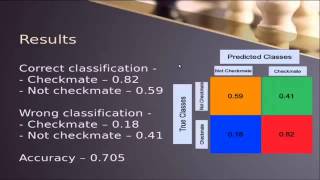
Learning Chess from Data
Discover chess rules and gain insights through Machine Learning and Hadoop analysis of game data. Explore feature importance, representation, and sample size for understanding complex systems.
How to Use Kubernetes to Build a Data Lake for AI Workloads
Learn to build a cloud-agnostic data lake using Kubernetes, Rook, and Ceph for AI workloads. Discover how to provide unified data access across multiple data centers for data scientists and developers.
Rook Deep Dive - Ceph
Explore Rook's Ceph storage provider for Kubernetes, covering architecture, improvements, and production-ready management features for cloud-native environments.
Is There a Place For Distributed Storage For AI - ML on Kubernetes
Explore distributed storage for AI/ML on Kubernetes, discussing performance tradeoffs, scalability, and machine learning formats like RecordIO and TFRecord for enhanced model validation and utility.
Performance Optimization – Rook on Kubernetes
Explore optimization techniques for Rook/Ceph on Kubernetes, focusing on network stack improvements to match bare-metal performance. Learn measurement, discovery, and optimization processes across architectures and CNI plugins.
Intro to Rook - Storage for Kubernetes
Explore Rook, an open-source cloud-native storage orchestrator for Kubernetes. Learn about its benefits, use cases, and various storage providers, including Ceph, EdgeFS, and YugabyteDB.
Rook - Intro and Ceph Deep Dive
Explore Rook, a cloud-native storage orchestrator for Kubernetes, and dive deep into Ceph storage provider. Learn about architecture, improvements, and production-ready features for managing data in cloud environments.
Deep Dive - Rook
Explore Rook's architecture, Kubernetes extension mechanisms, and cloud-native storage orchestration. Learn about controllers, operators, and automated storage solutions for Ceph, CockroachDB, Minio, and NFS.

Intro - Rook
Explore Rook, a cloud-native storage orchestrator for Kubernetes. Learn its benefits, architecture, and how it automates storage management, turning software into self-managing services.
Rook - Intro and Ceph Deep Dive
Explore Rook, a cloud-native storage operator for Kubernetes. Learn about its benefits, use cases, and storage providers, with a deep dive into Ceph for stable block, file system, and object storage in production environments.