
Heart Transplant 2023 Virtual Symposium - Stanford Health Care
Annual symposium providing updates on heart transplantation, featuring expert talks on medical advancements, patient experiences, and the gut microbiome's role in health. Offers valuable insights for recipients and caregivers.
Atrial Fibrillation - Minimally Invasive Treatments
Explore new minimally invasive treatments for atrial fibrillation, including catheter-based options that eliminate long-term blood thinner use, offering faster recovery and return to normal activities.
Tiny Chips, Big Potential - How to Improve Diagnostics with Bioimaging Technologies
Explore cutting-edge biosensors, biochips, and nanotherapies revolutionizing cancer and cardiovascular disease diagnostics and treatment. Learn about innovative healthcare technologies shaping the future of medicine.
Peripheral Artery Disease - Is There a Holistic Approach to Treatment?
Explore holistic approaches to peripheral artery disease, including lifestyle changes and self-management techniques, alongside medical interventions for symptom relief and disease management.
Chest Pain - The Many Causes of Women's Heartaches
Explore diverse causes of women's chest pain, from heart conditions to stress, with Stanford's clinical team. Learn about diagnosis, treatment, and holistic approaches to women's heart health.

Women's Heart Health - Topics Dear to Your Heart
Explore women's heart health issues, including causes, menopausal hormone therapy, and lifestyle tips. Stanford experts discuss heart attacks, coronary problems, and heart failure in women.
Euan Ashley and His Patient Leilani Graham Discuss Heart Disease, Genetics, and Patient Stories
Explore heart disease, genetics, and patient advocacy through a compelling conversation between a renowned professor and his resilient patient, offering insights into precision medicine and medical mysteries.
Living Better with Heart Failure
Learn about heart failure causes, treatments, and lifestyle changes to improve quality of life. Experts discuss risk factors, management strategies, and new technologies for living better with this chronic condition.
Stanford Doctors on Living Better with Atrial Fibrillation
Stanford doctors discuss atrial fibrillation diagnosis, treatments, and strategies for better living with this common heart arrhythmia. Learn about rhythm control, stroke prevention, and lifestyle modifications.
Living Well with Heart Failure - Stanford Hospital
Comprehensive overview of heart failure, covering causes, treatments, and lifestyle modifications. Dr. Banerjee provides insights on managing the condition and improving quality of life.

Kidney Health: The Basics
Learn about kidney function, health, and disease treatment from Dr. Brian Brady, a Stanford nephrologist. Gain insights into maintaining kidney health and understanding treatment options for various kidney conditions.

Keeping Your Heart Healthy - Cardiovascular Disease Prevention Strategies
Discover strategies for cardiovascular health, including risk factor management, exercise importance, diagnostic tests, and glucose control, with insights from a preventive cardiology expert.

AI's Role in Improving Health Care Services in Our Communities
Stanford experts discuss AI initiatives in healthcare, focusing on early disease detection, preventive care, and reducing provider burnout, while addressing privacy and equity concerns.
Overcoming Clinical Barriers to Cell Transplantation Technologies
Experts discuss overcoming barriers to cell transplantation technologies, exploring quality, cost, standardization, and immune response challenges for widespread adoption in treating various diseases.
The Science of Measuring Quality and Value in Health Care - Complexity and Vulnerability
Explore the complexities of measuring healthcare quality and value, focusing on challenges, opportunities, and innovative approaches to improve healthcare delivery and outcomes.
Fluid Mechanics of the Cardiovascular System - Interesting, Impossible Problems in Bio, Phys, & Math
Explore cardiovascular fluid mechanics, its impact on health, and challenges in modeling complex systems. Discover research on cell responses, oxygen transport, and nanoparticle dynamics in blood vessels.
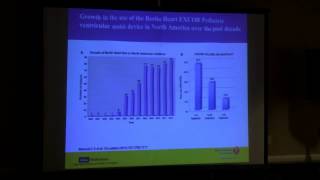
Surgical Options in Pediatric Congenital Heart Failure - Brian Reemtsen, MD
Explore surgical interventions for pediatric congenital heart failure, including ventricular assist devices and heart transplants. Learn about diagnosis, risk factors, and survival rates in this comprehensive overview.
Risk Factors for Heart Disease - Dr. Ravi H. Dave - UCLA Health
Comprehensive overview of heart disease risk factors, prevention strategies, and treatment options, emphasizing lifestyle modifications and medical interventions for cardiovascular health.
Hybrid Interventions in ACHD - Dr. Jamil Aboulhosn - 2017 UCLA ACHD Symposium
Explore hybrid interventions for adult congenital heart disease patients, covering historical perspectives, key factors, anatomy, and specific procedures like aortic coarctation and subpulmonic VSD.
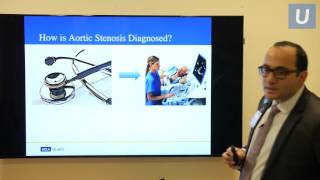
Aortic Stenosis - Future is Now
Explore transcatheter aortic valve replacement (TAVR) for aortic stenosis with Dr. Aksoy. Learn about diagnosis, classification, prognosis, and the revolutionary impact of TAVR on patient treatment.
Latest Treatments & Advancements for Adult Congenital Heart Disease - UCLAMDChat
Explore advancements in adult congenital heart disease treatment, including surgical interventions, catheterization techniques, and imaging technologies, to improve survival rates and quality of life for patients.