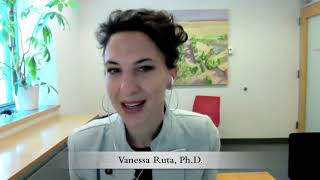
From Beach to Bench and Beyond - Venom’s Therapeutic Potential for Pain and Cancer
Explore venom's potential in pain management and cancer treatment, from marine snail toxins to innovative therapeutics. Learn about interdisciplinary research and science diplomacy.

Hope in the War Against Cancer
Declining cancer death rates and promising research suggest a turning tide. Experts discuss innovative technologies, immunotherapy advances, and new therapeutic targets in the fight against cancer.
Why Physics is Fun, Stimulating, and Can Improve Lives
Explore cutting-edge physics research and its real-world applications, from topological superconductors to cancer treatment using nanotechnology, presented by leading experts in their fields.
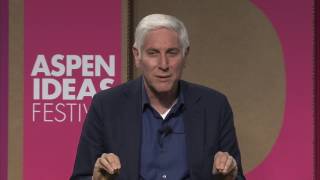
National Cancer Institute at 80 - Evolution and Future in Personalized Medicine
Exploring NCI's 80-year journey: Past directors discuss its evolution, impact on cancer research, and future in personalized medicine. Insights on challenges, breakthroughs, and the path to potential cures.
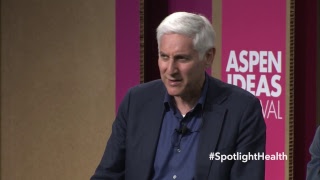
National Cancer Institute at 80: Evolution and Future in Personalized Medicine
Exploring NCI's 80-year legacy in cancer research, from its founding to its current role in personalized medicine, with insights from past directors on challenges and future prospects.

Christmas Lectures 2021: Fighting Back Against Viruses - Vaccines and Disease Control
Explore the science of vaccines and their potential to combat viruses and diseases like cancer, featuring insights from leading experts in epidemiology, vaccine development, and microbiology.

The Quest for Breakthrough Therapies in Modern Medicine
Explore cutting-edge medical innovations in cancer treatment, depression therapy, and infectious disease prevention with Mount Sinai experts. Discover the future of personalized medicine and groundbreaking research.

Moving American Science Forward
Explore groundbreaking scientific advancements and future discoveries with Francis Collins, discussing genomics, immunotherapy, and precision medicine's potential to transform healthcare and research.

Report from the Cancer Battlefield - 50 Years of Progress
Experts discuss progress in cancer research and treatment over the past 50 years, highlighting advancements, current challenges, and future prospects in the fight against various forms of cancer.

Experiences in Medicine - Innovations in Brain Surgery and Cancer Treatment
Two renowned doctors share insights on innovative brain tumor treatments, including using scorpion venom to make cancer cells glow, and reflect on their experiences in neurosurgery and pediatric oncology.
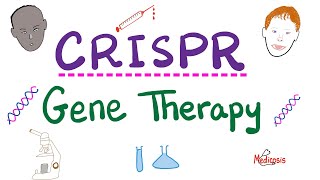
CRISPR - Cas9 Gene Therapy and CAR T-Cell Therapy - Promising?
Explore cutting-edge gene therapy techniques CRISPR/Cas9 and CAR T-cell therapy, including recent FDA approval for sickle cell anemia treatment and potential applications for other genetic disorders.
CRISPR Dreams - From Laboratory to Patient Treatment
Explore the journey of CRISPR gene editing technology from lab to FDA-approved therapy, uncovering challenges and timelines in drug development for groundbreaking medical treatments.
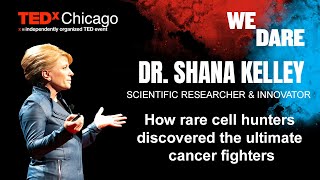
Is the Cure for Cancer Already Inside Us?
Groundbreaking cell processor uncovers rare immune cells that fight cancer, offering hope for future treatments. Dr. Shana Kelley explores immunotherapy and the exciting potential of harnessing our own bodies to combat cancer.

Biotechnology and Me - A Journey of Discovery
Dr. Nusrat Sanghamitra shares her inspiring journey from humble beginnings to groundbreaking cancer research, highlighting resilience, innovation, and the power of turning dreams into action in biotechnology.
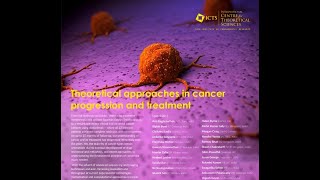
A Systems Analysis of Temozolomide Response in a Model Glioblastoma Cell-line
Explore systems analysis of temozolomide response in glioblastoma, uncovering insights into cancer treatment through advanced modeling and data interpretation techniques.
The Art of Modelling Mammalian Cell Cycle Regulation - Lecture 1
Explore mammalian cell cycle regulation modeling techniques, focusing on theoretical approaches to understand cancer progression and treatment. Gain insights into advanced mathematical and computational methods.
To Live or Not to Live - Decision Making in Single Cancer Cells - Lecture 1
Explore decision-making processes in individual cancer cells, examining factors influencing cell survival and death. Gain insights into cellular behavior and its implications for cancer progression and treatment.
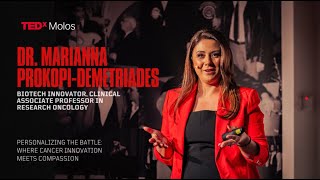
Where Cancer Innovation Meets Compassion
Exploring groundbreaking cancer research, from early detection using microRNAs to organ regeneration through bioprinting, while emphasizing the importance of compassionate care for patients and their families.

How Genetic Data is Transforming Cancer and Other Diseases
Explore how genetic data revolutionizes cancer treatment and disease prevention, offering personalized insights, earlier screenings, and innovative therapies based on individual DNA profiles.
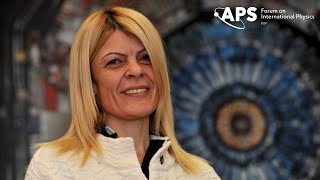
Beating Cancer with SEEIIST - Shaping Science in South-East Europe
Exploring SEEIIST: A collaborative initiative in South-East Europe for advanced cancer treatment research, fostering regional scientific cooperation and technological innovation.
For mRNA Vaccines, COVID Was Just the Beginning
Exploring mRNA vaccines' potential beyond COVID-19, including applications for flu, rabies, and cancer. Highlights their revolutionary impact and future possibilities in medical science.