A Systems Biology Approach to Unravel Cell Cycle Dynamics - Lecture 2
Explore systems biology approaches to unravel cell cycle dynamics, focusing on mathematical modeling and computational techniques to understand complex cellular processes.
The Art of Modelling Mammalian Cell Cycle Regulation - Lecture 1
Explore mammalian cell cycle regulation modeling techniques, focusing on theoretical approaches to understand cancer progression and treatment. Gain insights into advanced mathematical and computational methods.
Maps, Networks and Mechanisms: System Modeling and Analysis of Disease Maps
Explore disease map modeling and analysis techniques for understanding complex biological systems and their applications in cancer research and treatment strategies.
Genome-Scale Metabolic Modeling in Cancer
Explore genome-scale metabolic modeling in cancer research, uncovering insights into cellular metabolism and potential therapeutic targets for improved cancer treatment strategies.
Systems-level Analysis of Phenotypic Switching in Melanoma - From Design Principles to Therapeutic Strategies
Explore systems-level analysis of phenotypic switching in melanoma, focusing on design principles and their implications for understanding cancer progression and developing targeted treatments.
Inferring Cell-state Dynamics from High-resolution Lineage Tracking of Single Cells
Explore cell-state dynamics through high-resolution lineage tracking, uncovering insights into cancer progression and potential treatment approaches in this theoretical biology lecture.
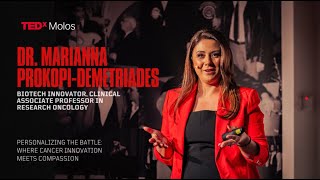
Where Cancer Innovation Meets Compassion
Exploring groundbreaking cancer research, from early detection using microRNAs to organ regeneration through bioprinting, while emphasizing the importance of compassionate care for patients and their families.
Modulation of Ensemble-level TNFR1 Mediated Apoptosis Response - Lecture 2
Explore ensemble-level TNFR1 mediated apoptosis response modulation, delving into advanced concepts of cancer cell death mechanisms and potential therapeutic implications.
Boolean Modeling of Biological Networks - Lecture 1
Explore Boolean modeling for biological networks, focusing on cancer progression. Learn theoretical approaches to understand complex biological systems and their applications in cancer research.
Proteolytic and Non-Proteolytic Roles of MMP9 in Cancer Invasion
Explore MMP9's diverse roles in cancer invasion, including proteolytic and non-proteolytic functions, and their implications for understanding tumor progression and developing targeted therapies.
Statistical Learning for Real-Time Identification of Cancer Cells from Their Biophysical Characterization
Explore advanced statistical techniques for rapid cancer cell identification using biophysical data, enhancing diagnostic accuracy and treatment efficacy.
The Future of Cutting-Edge Genomic Technologies for Liquid Biopsy Cancer Research - Part 2
Explore cutting-edge genomic technologies for liquid biopsy in cancer research, focusing on minimally invasive approaches to analyze biomarkers in blood samples.
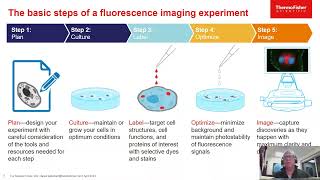
Practical Considerations for Fluorescent Cell Staining and Microscopy in Cancer Cell Biology
Explore fluorescence microscopy techniques for cancer research, covering cell staining, imaging methods, and applications in drug discovery and mechanism studies for 2D and 3D models.
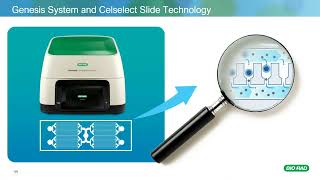
Maximizing Metastasis Insights: Using a Novel Integrated Workflow for Efficient CTC Analysis
Explore a novel integrated workflow for efficient CTC enrichment, enumeration, and identification in metastasis research. Learn about unbiased size selection and compatibility with various molecular and cellular applications.
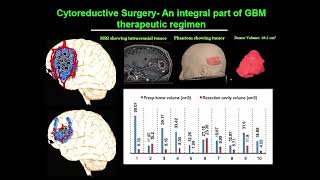
Innovation in Science and Technology: Translating Cellular Therapies from Bench to Bedside
Explore strategies for developing cellular therapies through gene editing and learn to create and validate tumor models for clinical translation of therapeutic cells.
Freeing Scientists to Explore: The Role of Curiosity in Cancer Research
Explore the impact of curiosity-driven research on cancer breakthroughs. Uncover stories from DNA sequencing to tyrosine phosphorylation, and learn why nurturing scientific curiosity is crucial for future treatments.
Increasing the Impact of Your Cancer Research Beyond Publication Impact Factor
Explore strategies to enhance research impact, measure success beyond impact factors, and effectively communicate findings for greater influence in cancer research.
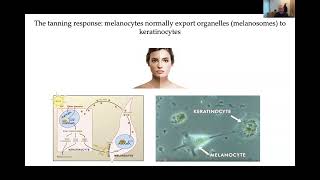
What Determines Oncogenic Competence?
Explore factors influencing cancer cell development and progression through insights on oncogenic competence from Oxford researcher Richard White.
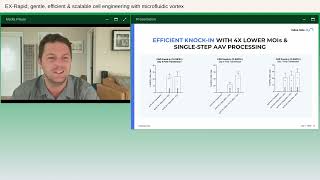
Rapid, Gentle, Efficient and Scalable Cell Engineering with Microfluidic Vortex Shedding
Explore microfluidic vortex shedding for efficient cell engineering. Learn about Hydropore's intracellular delivery platform for rapid and gentle nucleic acid and gene editing complex delivery to various cell types.
Making Your Research Translatable: The Example of RENACER
Explore translational research strategies through RENACER example, enhancing impact of scientific discoveries in clinical settings.
The Role of TRAIL in Premetastatic Niche Formation in Breast Cancer
Explore groundbreaking research on TRAIL's role in breast cancer metastasis, uncovering its function as a vascular gatekeeper and its therapeutic potential in preventing premetastatic niche formation.