
Reflection Is Good for C++ Code Health
Explore C++ reflection's potential for C++26, including Python bindings, ABI hashing, and improved variant types. Learn how reflection can reduce repetitive code and enhance productivity.

C++ Type Erasure Demystified - Lecture
Demystifying C++ type erasure: from basic concepts to advanced implementations. Learn how to achieve high-level abstraction and improve performance in your C++ code.
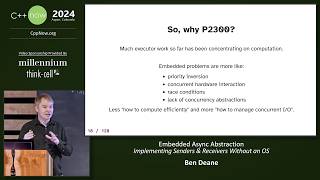
Embedded Asynchronous Abstraction C++ - Implementing Senders and Receivers Without an OS
Explore implementing senders and receivers for asynchronous work in embedded systems without an OS. Learn about P2300, concurrent behavior, and zero-cost abstractions for microcontrollers.

Value Oriented Programming Part V - Return of the Values
Explore value semantics in C++ programming, focusing on improved code readability, correctness, and maintainability. Learn techniques for value-oriented design and implementation.
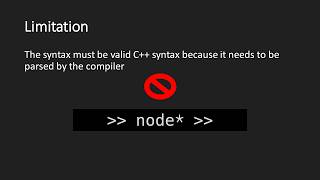
Expressive Compile-Time Parsers in C++
Explore compile-time parsers in C++ for expressive APIs and DSLs. Learn techniques, compare libraries, and discover applications in regular expressions, parser generators, and reflection features.
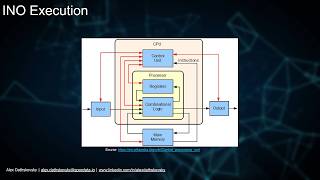
C++11 to C++23 in the C++ Memory Model - Lecture
Explore C++ memory model evolution from C++11 to C++23, covering threading, optimization, and best practices for robust, thread-safe code development.
Implementing Ranges and Views in C++ - C++Now 2024
Explore sequence-oriented programming with C++20 ranges, focusing on implementing custom range views. Learn design principles, concepts, and techniques to extend the ranges library effectively.
A Deep Dive Into C++ Object Lifetimes
Comprehensive exploration of C++ object lifetimes, covering creation, destruction, temporary extensions, memory management, unions, and related concepts. Insights from standards, proposals, and optimizations.
Zero-Cost Abstractions in C++ - High Performance Message Dispatch
Explore zero-cost abstractions in C++ through a case study on high-performance message dispatch, featuring compile-time programming and optimized algorithms for efficient component communication.
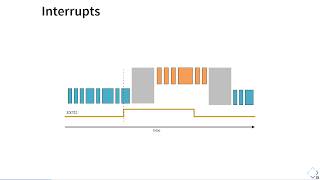
Employing Senders and Receivers to Tame Concurrency in C++ Embedded Systems
Explore how Senders and Receivers pattern can solve complex concurrency issues in baremetal systems, using Intel's open source library on an ARM-based development board.

Understanding the Filter View in C++20 - Pitfalls and Best Practices
Explore C++20 filter view's unexpected behaviors, compile-time errors, and runtime issues. Learn crucial insights for successful filtering and view usage in C++ programming.
Audio Software Engineering Workshop - Practical Techniques for Large Codebases
Explore practical software engineering techniques for large codebases. Learn to analyze, debug, and design maintainable code. Gain insights into building and sharing programs effectively.
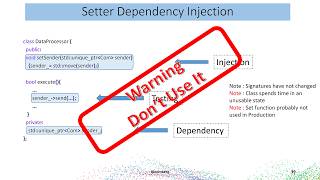
Dependency Injection in C++ - A Practical Guide
Master dependency injection principles in C++ through practical examples, exploring building blocks like link-time substitution, interfaces, templates, and smart pointers while learning strategies for legacy codebase integration.
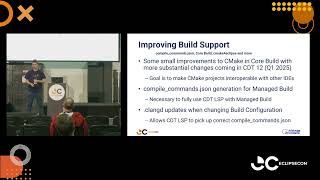
The Reality of CDT's LSP and Tooling Situation - OCX 2024
Explore the evolution of C/C++ Development Tooling, focusing on Language Server Protocol integration, challenges, and future directions for enhanced IDE functionality and developer productivity.
Are Rewrites Always a Bad Idea? - Understanding Legacy Code Modernization
Explore when software rewrites can be justified, how to choose new tech stacks, and navigate leadership roles as a junior developer while transforming academic code into practical solutions.
Game Programming: Optimizations, Cache Memory, and Memory Pooling - Lecture 17
Master game optimization techniques through cache memory management, memory pooling, and data structure efficiency for enhanced performance in C++ game development.
BitNet.cpp - CPU Inference Framework for 1-bit Large Language Models
Explore BitNet CPP's optimized framework for efficient 1-bit LLM inference, featuring specialized kernels for fast, lossless CPU-based processing of 1.58-bit models.
Pets, Cattle and Automatic Clang Operations with C++ Code
Discover how to leverage Clang tools for automated C++ code refactoring, config generation, and semantic code search, enhancing development workflow and efficiency.
Customising Clang-Tidy to Modernize Legacy C++ Code - From Printf to Std::Print
Discover how to automate C++ code modernization using clang-tidy, focusing on upgrading legacy printf-style logging to modern formatting approaches like fmt::print and std::print.

C++ Core and Other C++ Guidelines - The Good, the Bad, and the Questionable
Explore how C++ Core Guidelines and best practices evolve from their original intent to practical application, examining their effectiveness and implementation in real-world project scenarios.
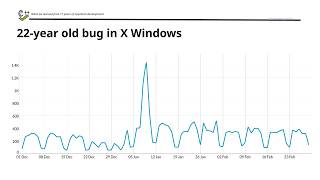
Building Cppcheck - What We Learned from 17 Years of Development
Discover the 17-year evolution of Cppcheck, exploring its development philosophy, community-driven improvements, and key strategies for minimal false positives in static code analysis for C/C++.