Building Modern Native Applications with Gradle
Explore modern native application development using Gradle, covering C/C++, D, Rust, Go, cross-platform builds, and integration with tools like GNU Make, CMake, Doxygen, and Conan.
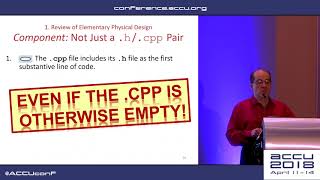
C++ Modules and Large-Scale Development
Explore C++ modules' impact on program architecture, code organization, and large-scale development, covering migration strategies and design principles for improved software structure.
Class Template Argument Deduction in C++17
Comprehensive introduction to Class Template Argument Deduction in C++17, covering usage, benefits, pitfalls, and language rules for cleaner, shorter code in both standard library and custom classes.
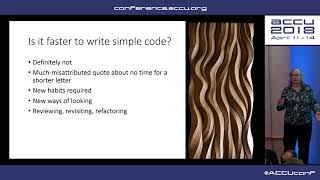
Simplicity - Not Just for Beginners
Explore techniques for writing simpler, more efficient C++ code, focusing on naming conventions, function length, and modern language features to improve readability and performance.

Nothing Is Better Than Copy or Move
Explore C++ move semantics, copy elision, and temporary materialization through practical examples, focusing on efficient object creation and optimization techniques.
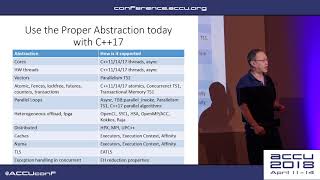
Heterogeneous Programming in C++ Today
Explore the evolving landscape of heterogeneous parallelism in C++, including standards, specifications, and future applications in IoT, self-driving cars, and machine learning.
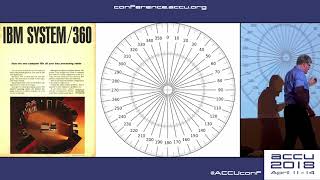
C++ Today - The Beast is Back
Explore C++'s resurgence, its historical significance, and why it remains the top choice for performance-driven software engineering in modern computing environments.

Emotional Code
Explore how emotions influence coding practices and their impact on software development. Learn to recognize emotional traces in code and strategies for creating more effective, neutral code.
Allocator-Aware Software
Explore allocator-aware software benefits, costs, and implementation styles in C++. Learn about performance gains, integration challenges, and future language-based approaches for efficient memory management.
Implementing Physical Units Library for C++
Explore challenges and solutions in designing a Physical Units Library for C++, leveraging C++20 features for improved usability, maintainability, and extensibility.

The State of Package Management in C++
Explore C++ package management tools, challenges, and best practices for software reusability. Learn about Conan, VCPKG, and strategies to overcome current limitations in the ecosystem.
The Jai Programming Language and What Can We Learn From It
Explore Jai, a new programming language for game developers, its key features, and potential impact on C++ development in this insightful ACCU conference talk.
Taming Dynamic Memory - An Introduction to Custom Allocators
Explore custom allocators for improved performance and reliability in C++. Learn pooling, monotonic allocation, alignment challenges, and integrating popular allocator implementations in modern codebases.
Interactive C++ - Meet Jupyter - Cling
Explore interactive C++ using Jupyter and Cling. Learn prototyping techniques, interface guidance, and powerful combinations for data science and exploratory programming.

Here's My Number; Call Me, Maybe - Callbacks in a Multithreaded World
Explore techniques for managing callbacks in multithreaded applications, focusing on clarity, object lifetime management, and preventing dangling references in C++ programming.

What Do We Mean When We Say Nothing At All
Explore the significance of omissions in C++ code, from const to virtual, and learn how deliberate silence can convey crucial information about design decisions and intent.
Audio in Standard C++
Explore digital audio representation in C++, including channels, buffers, and PCM. Learn about soundcard communication and a proposed standard library audio API, with examples and implementation updates.

Hashing - Hashing Values
Comprehensive exploration of hashing techniques for efficient associative containers, covering hash functions, byte sequences, and considerations for user-defined types. Emphasizes best practices and common pitfalls.
Impact on Maintainability and Refactoring for Higher-Level Design Features
Explores strategies for refactoring C++ code at various abstraction levels, discussing the impact on maintainability and the challenges of evolving interfaces in complex systems.
The Dawn of a New Error
Explores modern C++ error handling approaches, focusing on the "Zero-overhead deterministic exceptions" proposal and related concepts, comparing with other languages like Swift.

Formatting Floating-Point Numbers
Explore efficient floating-point formatting in C++, from printf to C++20 std::format. Learn about binary-to-decimal conversion, implementation challenges, and performance benefits.