Stalloris - RPKI Downgrade Attack
Demonstration of novel downgrade attacks against RPKI, exposing networks to prefix hijacks by disabling RPKI validation through malicious publication points.
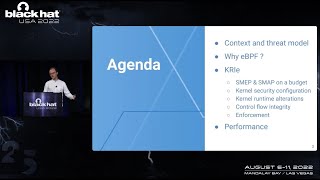
Detecting Kernel Exploits with eBPF
Explore eBPF's evolution in Linux, its expanding capabilities, and its potential for detecting kernel exploits, with insights on probes, challenges, and performance implications.

Trust Dies in Darkness - Shedding Light on Samsung's TrustZone Keymaster Design
Exposing critical security flaws in Samsung Galaxy devices' hardware-backed keystore through reverse engineering, revealing vulnerabilities in cryptographic design and implementation.
To Flexibly Tame Kernel Execution With Onsite Analysis
Explore OASIS, a framework for dynamic kernel analysis, enabling flexible control and data collection from kernel threads for various applications like memory introspection and malware testing.
The Open Threat Hunting Framework - Enabling Organizations to Build, Operationalize, and Scale Threat
Explore the Open Threat Hunting Framework to build, operationalize, and scale threat hunting in organizations. Learn from industry experts about effective strategies and best practices.
Malware Classification With Machine Learning Enhanced by Windows Kernel Emulation
Explore hybrid machine learning for malware classification using static and dynamic analysis, Windows kernel emulation, and neural networks. Learn about adversarial ML and future developments.

DirectX - The New Hyper-V Attack Surface
Explore vulnerabilities in Hyper-V's GPU-Paravirtualization feature, examining 4 fixed DirectX component issues and their implications for virtualization security.

Revealing the Secrets of Siemens S7 PLCs
Uncover vulnerabilities in Siemens ET 200SP SoftPLC, exploring its architecture, boot process, and potential attack vectors. Learn about PC-based PLCs and their security implications in industrial control systems.
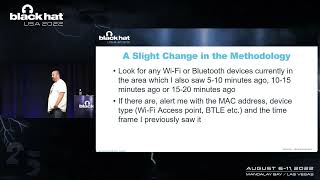
Chasing Your Tail With a Raspberry Pi
Methodology for detecting wireless signal tracking using low-cost hardware and Python. Covers SIGINT techniques, MAC address randomization, and provides code for DIY implementation.
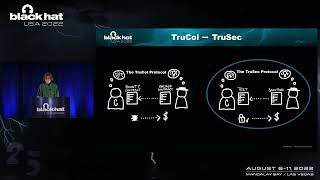
Eliminating Triage Intermediaries for Zero-day Exploits Using a Decentralised Payout Protocol
Explore a protocol for collectivizing security bounties, enabling companies to showcase software security and ethical hackers to retrieve bounties without ambiguity, eliminating subjectivity in triage processes.

Déjà Vu - Uncovering Stolen Algorithms in Commercial Products
Techniques for detecting unauthorized use of algorithms in commercial products, including search methods, reverse-engineering, and a real-world case study. Provides strategies for addressing IP theft and prevention.
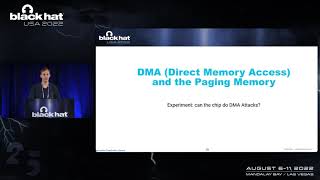
Ghost in the Wireless - iwlwifi Edition
Explore Intel Wi-Fi chip vulnerabilities through reverse-engineering, uncovering firmware exploits and code execution risks in complex features like Wake-on-WLAN and TDLS.

How Firefox Uses In-process Sandboxing to Protect Itself From Exploitable Libraries
Explore Firefox's innovative approach to mitigating zero-day attacks using in-memory sandboxes for third-party C libraries, enhancing security against memory safety vulnerabilities.
Knockout Win Against TCC - New Ways to Bypass Your MacOS Privacy Mechanisms
Explore techniques to bypass MacOS privacy mechanisms, including vulnerabilities in TCC framework, code injections, and system tool abuse. Compare security improvements between Monterey and Big Sur.

Conclusions and Key Takeaways from Day 2
Insightful discussion on pressing InfoSec issues and future strategies, featuring key takeaways from Black Hat Europe 2022 with industry experts Jeff Moss, Jiska Classen, Federico Maggi, Leigh-Anne Galloway, and Anant Shrivastava.

Grand Theft Drone - Reaching Breaking Point in Drone Proprietary RF Link Security
Explore vulnerabilities in drone remote control systems, focusing on proprietary protocols and their security implications. Learn about potential risks and the importance of open design principles in drone technology.
LCDPwn - Breaking Enterprise-Things with Layer 2 Discovery Protocol Vulnerabilities Again
Explore Layer 2 Discovery Protocol vulnerabilities in enterprise devices, uncovering neglected attack surfaces and analyzing recent research to improve network security.
Exploring a New Class of Kernel Exploit Primitive
Uncover innovative kernel exploit techniques using limited primitives, focusing on turning seemingly benign bugs into powerful attack vectors for code execution and privilege escalation.

Design Flaws and Deployment Chaos in Cloud-Based IoT Access Control Policies
Uncovers security vulnerabilities in IoT access control policies on cloud platforms, revealing design flaws and deployment issues that pose risks for manufacturers and users.
Writing Your Own Ticket to the Cloud Like APT - A Deep Dive to AD FS Attacks, Detections, and Mitigations
Explore AD FS attacks, detections, and mitigations for Azure AD security. Learn about identity federation vulnerabilities and strategies to protect cloud-based resources from unauthorized access.
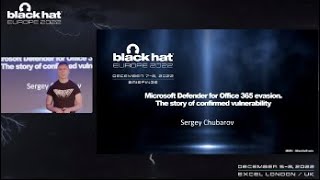
Microsoft Defender for Office 365 Evasion - The Story of Confirmed Vulnerability
Unveiling vulnerabilities in Microsoft Defender for Office 365's Safe Attachments and Safe Links features, exposing potential evasion techniques and security implications for organizations.