Biostatistics and More
Comprehensive biostatistics overview covering central tendency, dispersion, distributions, data visualization, research variables, statistical testing, and hypothesis analysis.
Classic Biostatistics Videos
Comprehensive video series covering key biostatistics concepts for medical exams, including study designs, risk assessments, and diagnostic test evaluations.
UseR! 2020: Biostatistics
Explore biostatistics applications in R, covering clinical trials, mortality analysis, metaproteomics, descriptive tables, ETL, anthropometry, leukemia treatment, meningioma genomics, and survival curve comparisons.
Applied Biostatistics
Comprehensive exploration of biostatistical methods and applications, equipping learners with practical skills for data analysis in biological and medical research contexts.

USMLE Biostatistics Teaching - Detailed
Comprehensive biostatistics review for USMLE Step 1, covering key concepts like odds ratio and relative risk. Ideal for medical students preparing for their exams.

Biostatistics USMLE
Comprehensive biostatistics review for USMLE Step 1, covering key concepts, practice questions, and exam strategies to enhance understanding and test performance.

Fundamentals of Biostatistics
Learn key biostatistics concepts, research methods, data types, and the scientific process for effective study design and analysis in health sciences.
Fundamentals of Biostatistics
Learn to design studies, analyze data, and interpret results for biology research, healthcare, and public health applications using statistical tools and methods.
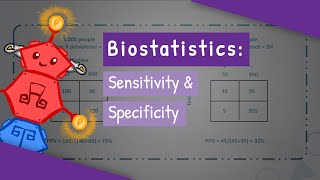
Biostatistics
Learn to evaluate diagnostic tests, analyze study types, and interpret key statistical concepts for medical research and clinical practice.

USMLE Biostatistics and Ethics
Comprehensive review of biostatistics and ethics for USMLE Step 1, covering key concepts, research methods, statistical analysis, and healthcare ethics to prepare for the exam.
Biostatistics for the USMLE Step 1 Exam
Comprehensive biostatistics preparation for USMLE Step 1, covering study designs, diagnostic tests, risk quantification, statistical analysis, and more. Essential for medical students aiming to excel in this crucial exam component.
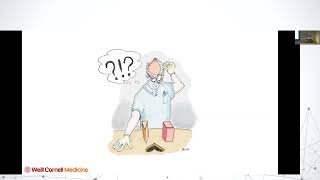
The Challenges of Clinical Trials in Surgery
Explore the complexities and unique obstacles faced in surgical clinical trials through expert insights from a leading cardiac surgeon at Weill Cornell Medicine.
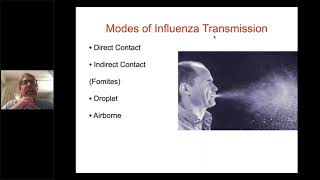
Transmission Dynamics of Influenza and SARS-CoV-2
Explore dynamic models for studying infectious diseases, focusing on influenza and SARS-CoV-2 transmission, meteorological factors, and forecasting techniques.
Challenges in the Use of Virtual Populations for Oncology Drug Development
Explore challenges in using virtual populations for oncology drug development, focusing on mathematical modeling and optimization techniques.
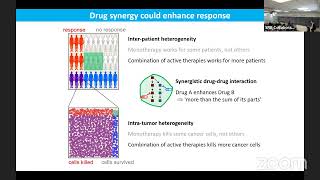
Models to Understand and Predict the Clinical Efficacy of Combinations of Cancer Treatment
Explore models for predicting clinical efficacy of combined cancer treatments with Dr. Adam Palmer's in-depth analysis and insights.
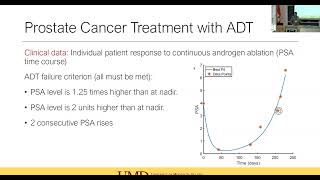
Leveraging Macroscopic Preclinical Data to Simulate Trials on Truly Heterogeneous Populations
Explore macroscopic preclinical data simulation for heterogeneous population trials in cancer treatment research and optimization.

Determining Causation in Immunotherapy
Explore methods for determining causation in immunotherapy, focusing on analytical techniques and challenges in evaluating treatment effectiveness.
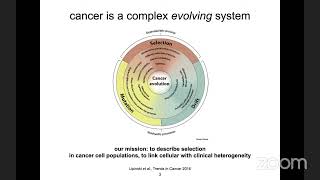
How Diversity Indices Help Understand Cancer Ecology and Evolution
Explore diversity indices and entropy to gain insights into cancer ecology and evolution, enhancing understanding of tumor dynamics and progression.
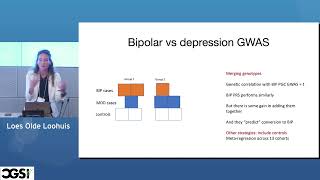
Disease Trajectories of Severe Mental Illness
Explore geospatial analysis of severe mental illness, uncovering distinct hotspots and disease trajectories through computational genomics techniques.
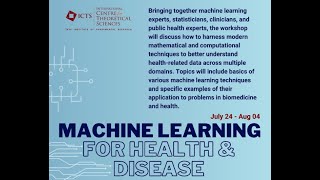
Garbh-Ini Project - Machine Learning for Maternal and Child Health
Explore machine learning applications in healthcare through the Garbh-Ini Project, focusing on predicting outcomes, analyzing medical data, and bridging the gap between computational modeling and clinical practice.
The Johns Hopkins KL2 Program: Goals, Benefits, and Application Process
Explore the Johns Hopkins KL2 program's goals, benefits, tracks, and application process for interdisciplinary clinical research training.