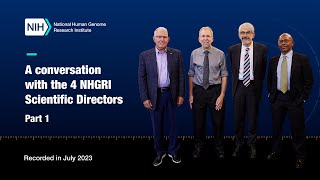
NHGRI Scientific Directors Discuss 30 Years of Intramural Research - Part 1
Four NHGRI Scientific Directors discuss the Intramural Research Program's 30-year history, sharing insights on leadership, challenges, achievements, and collaborative culture in genomic research.

Objectively Measuring Pain
Explore innovative techniques for objectively quantifying pain, advancing our understanding of pain perception and management.
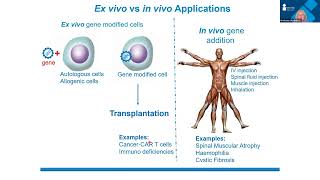
Gene Therapy and Its Potential for Treating Health Conditions - Part 1
Explore gene therapy's potential for treating health conditions with Professor Uta Griesenbach's research on developing innovative approaches in molecular medicine.
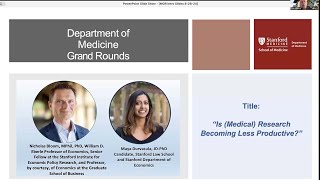
Is Medical Research Becoming Less Productive? - 28 August 2024
Explore the productivity trends in medical research with experts Nicholas Bloom and Maya Durvasula, examining challenges and potential solutions in the field.
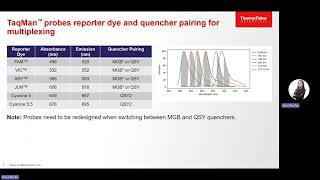
Mastering Multiplexing: Innovative Tools for Multiplexing in Your qPCR Workflow
Explore innovative tools for multiplexing in qPCR workflows. Learn to increase sample throughput, reduce costs, and minimize variations between reactions for more efficient research and diagnostics.
Making Your Research Translatable: The Example of RENACER
Explore translational research strategies through RENACER example, enhancing impact of scientific discoveries in clinical settings.
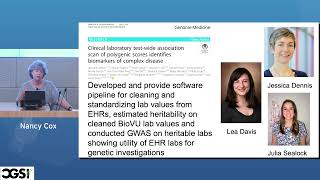
How Genetics Can Help Untangle Institutionalized Health Inequity
Explore how genetic research can address health inequities, focusing on case studies involving racial disparities in medical diagnoses and treatment decisions.
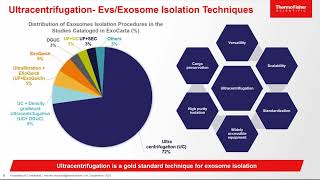
Demystifying Exosome Isolation: Best Practices and Centrifuge Selection Strategies
Explore best practices and strategies for exosome isolation, including centrifuge selection techniques. Learn about small extracellular vesicles and their potential in biomedical research and applications.
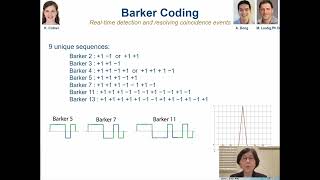
Node-Pore-Sensing: A Versatile Method to Phenotype Cells
Explore Node-Pore Sensing, an innovative electronic method for cell phenotyping. Learn how this technique measures cell properties and distinguishes sublineages in human mammary epithelial cells.
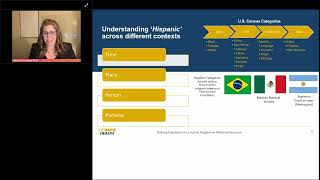
How Population-based Metrics for Diversity Shape Human Genomics Research and Reference Resources
Explore how population-based diversity metrics influence human genomics research and reference resources. Gain insights into the complexities of racial and ethnic classification in biomedical studies.
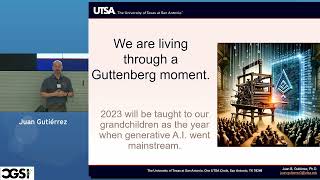
The Flaws of Others: Large Language Models in Biomedical Research
Explore the potential and limitations of large language models in biomedical research, focusing on their application and impact in analyzing complex malaria infection data.
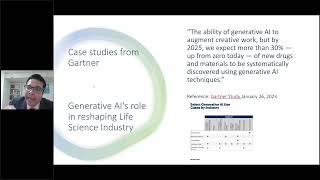
Generative AI for Biomedical Insights - Solutions Through OpenBIOML and BIO GPT - Bidyut Sarkar
Explore Generative AI's impact on biomedical research with IBM expert Bidyut Sarkar. Learn about OpenBIOML, BIO GPT, and responsible deployment strategies for leveraging AI in healthcare and scientific discoveries.
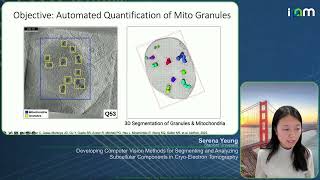
Computer Vision for Segmenting & Analyzing Subcellular Components in Cryo-Electron Tomography
Explore computer vision techniques for automated 3D segmentation and analysis of subcellular components in cryo-electron tomography, focusing on mitochondrial features in Huntington's Disease neurons.

AI in Healthcare - The Next Frontier
Exploring AI's potential to revolutionize healthcare, from enhancing diagnostics to automating tasks. Discusses advancements, ethical challenges, and the future of AI in biomedicine.
Computer Vision to Phenotype Human Diseases Across Physical and Molecular Scales
Innovative computer vision algorithms for disease phenotyping across scales, from video-based heart function assessment to spatial transcriptomics and immune cell dynamics, with focus on robust and human-compatible AI.
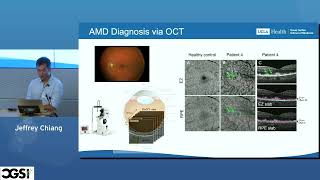
Strategies for Integrating Deep Learning with Current Biomedical Research
Explore strategies for integrating deep learning in biomedical research, focusing on automated identification of clinical features from medical imaging and prediction of disease progression.
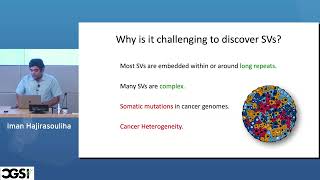
Applications of Deep Learning to Genomics and Digital Pathology
Explore deep learning applications in genomics and digital pathology, focusing on cutting-edge research and practical implementations in healthcare.

Leadership Conversation With Pablo Legoretta - TED
Explore the future of life science financing and drug development with insights on research models, public awareness, and potential health securitization.

Science Didn't Understand My Kids' Rare Disease Until I Decided to Study It - Sharon Terry - TED - 2016
Inspiring journey of a mother turned citizen scientist, transforming biomedical research and healthcare to combat her children's rare genetic condition.

Why is This So Hard? It Should Be Easy - Challenges in Computational Genomics
Explore challenges in computational genomics and learn strategies to overcome complexities in data analysis and interpretation.

A Tale of the Horseshoe Crab - Importance and Conservation
Explore the fascinating world of horseshoe crabs, their ecological importance, and the urgent need for conservation efforts to protect these ancient creatures for future generations.