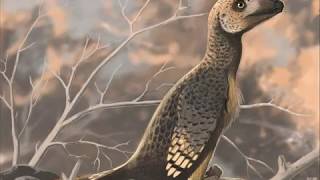
Air Giants- Launch, Flight, and Ecology of Cretaceous Pterosaurs
Explore the fascinating world of Cretaceous pterosaurs, their unique adaptations for flight, and their ecological roles in prehistoric ecosystems.
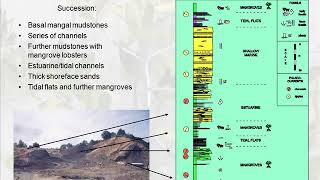
Clear As Mud - Exploring Ancient Mangroves and Their Inhabitants
Explore ancient mangrove ecosystems and their diverse inhabitants through geological evidence. Discover the fascinating world of prehistoric coastal environments and the creatures that called them home.
Prokaryote vs. Eukaryote Cell Walls, Cell Surface Layers, and Biosorption - Geobiology
Explore cell walls and biosorption in prokaryotes and eukaryotes. Learn about bacterial excretions, archaeal adaptations, and how organisms interact with their environment through passive and active processes.
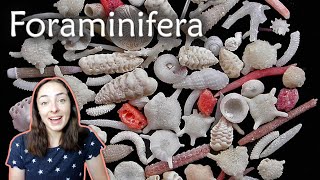
Foraminifera - Invertebrate Paleontology
Explore foraminifera's role in paleoclimate reconstruction, their classification, ecology, anatomy, and evolution. Learn about planktonic and benthic types, wall structures, and the significance of fusulinids as index fossils.
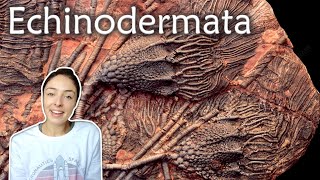
Echinoderms - Invertebrate Paleontology - Crinoids, Starfish, Sand Dollars, & More
Comprehensive exploration of echinoderms: diversity, anatomy, evolution, and classification. Focuses on crinoids and echinoids, their morphology, ecology, and evolutionary history. Includes identification practice and comparisons to vertebrates.
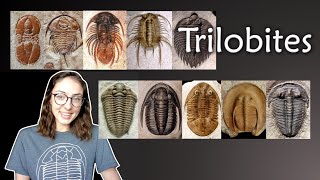
Arthropoda - Trilobites- Invertebrate Paleontology
Comprehensive exploration of trilobite morphology, classification, and evolution. Covers 12 orders, key features, and ecological significance of these ancient marine arthropods from the Paleozoic Era.
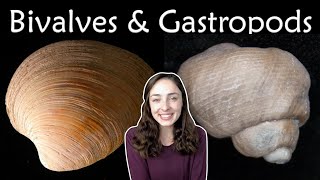
Mollusca - Bivalves & Gastropods- Invertebrate Paleontology
Explore bivalve and gastropod mollusks: anatomy, morphology, classification, ecology, and evolution. Learn key characteristics for identification and understand their evolutionary history.

The Neoproterozoic Oxygenation Event - GEO GIRL
Explore the Neoproterozoic Oxygenation Event: its timing, evidence, causes, and impact on Earth's evolution. Discover how atmospheric oxygen increased and learn about the geological clues that reveal this pivotal period in our planet's history.

Snowball Earth or Slushball Earths - Times Earth Was Covered in Ice
Explore Earth's icy past: Makganyene, Sturtian, and Marinoan glaciations. Discover causes, evidence, and impacts on evolution. Uncover the fascinating story of Earth's global ice coverage and its profound effects on our planet's history.

Bryozoa - Invertebrate Paleontology - GEO GIRL
Explore the fascinating world of Bryozoa, from their unique anatomy and reproduction to diverse morphology and classification. Gain insights into fossil identification and evolutionary history of these invertebrate animals.
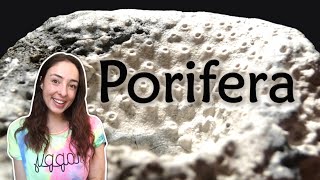
Porifera - Morphology, Classification, & Evolution - Invertebrate Paleontology
Comprehensive exploration of Porifera, covering anatomy, classification, evolution, and ecology. Delves into spicule types, morphological complexity, and the debate surrounding archaeocyathids' classification.
Mesozoic Era - Geologic & Biological Evolution and Extinction of Dinosaurs
Explore the Mesozoic era's geological and biological evolution, from Pangea's breakup to dinosaur extinction. Learn about ancient seas, diverse life forms, and major events shaping Earth's history.

Paleozoic Era - Geologic and Biological Evolution and Largest Mass Extinction Ever
Explore the Paleozoic Era's geological and biological evolution, from the formation of Pangea to the rise of early vertebrates, culminating in Earth's largest mass extinction event.

Precambrian Eon - Geologic and Biological Evolution 4 Billion Years Ago
Explore Earth's early history: formation, early life, atmospheric changes, and geological processes. Learn about key events like the Great Oxidation Event and Snowball Earth during the Precambrian era.
The Great Oxidation Event - GEO GIRL
Explore the Great Oxidation Event's timing, causes, and impacts on Earth's atmosphere, oceans, and life. Discover evidence from fossils, rocks, and isotopes, and learn about subsequent oxidation events in Earth's history.
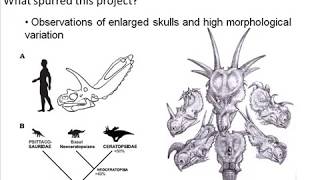
Searching for the Sexes in Dinosaur Horns
Explore the fascinating search for sexual dimorphism in dinosaur horns, examining methodologies and comparing findings with modern animals to uncover potential differences between male and female dinosaurs.
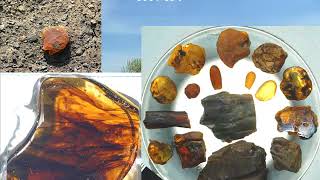
Canadian Amber: A Snapshot of a Late Cretaceous Forest and Its Inhabitants
Explore Late Cretaceous forests through Canadian amber, uncovering ancient insects, plants, and feathers. Learn about amber formation, preservation, and its significance in paleontology.
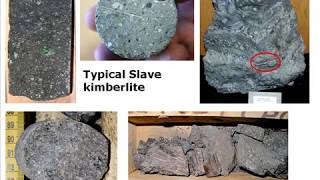
Paleobiology of Eocene Kimberlites from the Slave Province
Explore Eocene kimberlites from the Slave Province, uncovering ancient ecosystems and their implications for modern climate change through paleobiological analysis and advanced scientific techniques.
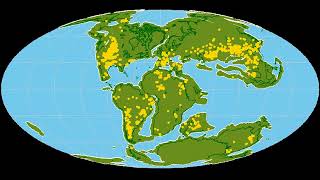
Mammals Inherit the Earth
Explore the K/Pg extinction event and its impact on mammalian evolution. Learn how dinosaurs' demise paved the way for mammals to diversify and dominate terrestrial ecosystems.

The Magical, Mesmerizing Migration of Monarch Butterflies
Explore the awe-inspiring journey of monarch butterflies through photographer Jaime Rojo's lens, discovering their remarkable migration patterns, ecological significance, and the vital conservation efforts needed to protect these majestic insects.
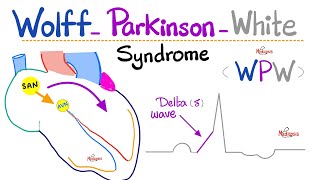
Heart Arrhythmia and Wolff-Parkinson White Syndrome - Understanding AVRT and Supraventricular Tachycardia
Delve into cardiac arrhythmias, focusing on WPW syndrome, AVRT, and supraventricular tachycardia through detailed ECG analysis and comprehensive pathophysiological explanations.