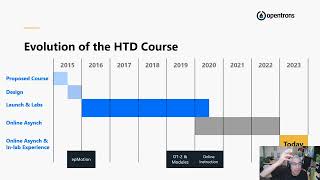
Lab Automation for High-Throughput Discovery Science
Explore lab automation for high-throughput discovery science in undergraduate and graduate courses. Learn about integrating research-scale automation, designing scripts, and embracing new challenges with liquid handlers.
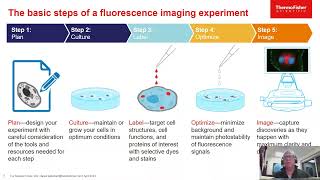
Practical Considerations for Fluorescent Cell Staining and Microscopy in Cancer Cell Biology
Explore fluorescence microscopy techniques for cancer research, covering cell staining, imaging methods, and applications in drug discovery and mechanism studies for 2D and 3D models.

SLC25A46 as a Novel Mitochondrial Regulator and Biomarker in Breast Cancer
Explore SLC25A46's role as a novel mitochondrial regulator and biomarker in breast cancer, focusing on its impact in triple-negative breast cancer and potential for targeted treatments.
Simplifying Somatic NGS Analysis and Reducing Literature Review Time with HSMD
Streamline somatic NGS analysis and reduce literature review time by 90% with the Human Somatic Mutation Database. Explore genomic content, clinical trials, and expert-curated insights for solid tumors and hematological malignancies.
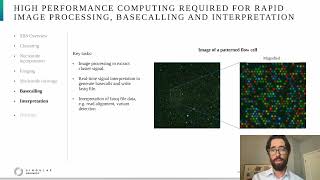
Delivering Fast, Flexible Next-Generation Sequencing through Innovations in Chemistry and Engineering
Explore rapid next-generation sequencing innovations for faster, flexible DNA analysis in research and clinical applications, reducing turnaround time and improving cost-effectiveness.
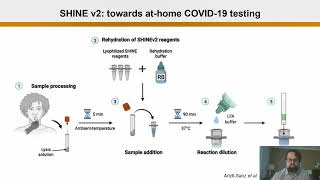
Detecting Viruses with CRISPR: Applications and Technologies
Explore CRISPR-based technologies for detecting and destroying viral RNA, including point-of-care and massively multiplexed nucleic acid detection methods like HUDSON, SHINE, and CARMEN.
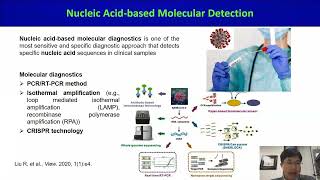
CRISPR-based Microfluidic Biosensing Systems for Molecular Diagnostics
Explore CRISPR-based microfluidic biosensing for molecular diagnostics. Learn about innovative point-of-care detection methods for pathogens and cancers, combining CRISPR and microfluidic technologies.
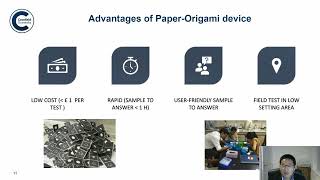
CRISPR/Cas-Enabled Paper Microfluidics Device for Rapid Diagnosis
Explore CRISPR/Cas-enabled paper microfluidics for rapid pathogen detection, including SARS-CoV-2 diagnosis and wastewater surveillance. Learn about low-cost, deployable biosensors for public health applications.
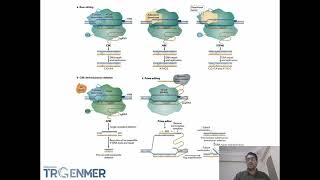
CRISPR Base Editor and Prime Editor Toolbox and Applications
Explore CRISPR base and prime editing technologies, their applications, and potential for treating genetic disorders without harmful double-strand breaks. Learn from expert Dr. Cihan Tastan in this cutting-edge webinar.
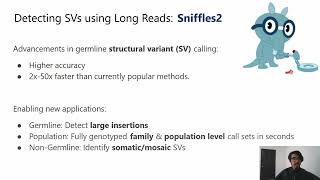
Comprehensive Structural Variant Detection: From Mosaic to Population Level
Explore advanced structural variant detection using Sniffles2, a powerful tool for identifying complex genomic alterations with increased accuracy, speed, and functionality in long-read sequencing data.
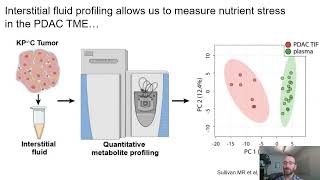
Metabolic Barriers to Tumor Immunity in Pancreatic Cancer
Explore metabolic barriers to tumor immunity in pancreatic cancer, focusing on nutrient stress impact and potential strategies to enhance immunotherapy effectiveness.
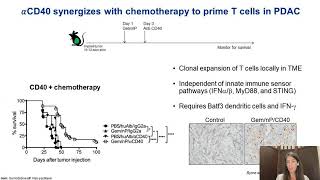
Generating T Cell Responses in the Immunosuppressive Tumor Microenvironment
Explore T cell response generation in immunosuppressive tumor environments, focusing on overcoming challenges in pancreatic cancer and enhancing dendritic cell function for effective immunotherapy.
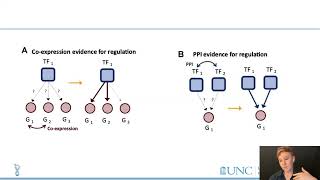
Gene Regulatory Networks and Individual-Specific Regulatory Disruptions
Explore gene regulatory networks and individual-specific disruptions, focusing on disease-associated genetic variants and their impact on transcription factor binding and gene expression.
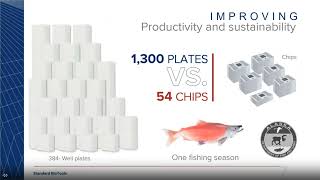
High-Throughput qPCR Microfluidics Technology with Singleplex Accuracy for Plant and Animal Genomics
Explore high-throughput qPCR microfluidics technology for plant and animal genomics, offering singleplex accuracy, massive parallelization, and efficient screening of multiple pathogens or SNPs.
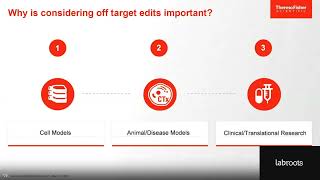
Considerations to Limit Off-Target Edits in Gene Editing Experiments
Explore strategies to minimize off-target edits in gene editing experiments. Learn best practices, considerations for different scenarios, and optimized workflows to enhance precision in genome manipulation.
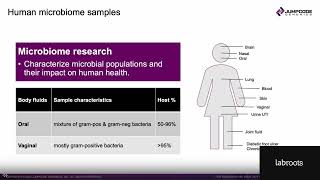
Boost Microbial Detection Sensitivity with Unbiased Human Host DNA and RNA Depletion
Enhance microbial detection in human microbiome samples through unbiased host DNA/RNA depletion. Learn about CRISPRclean technology for improved taxonomic resolution and increased microbial genome coverage.
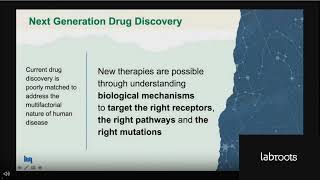
Enabling High-throughput Biology with New Technologies for Synthetic Construct Sequencing
Explore new methods and technologies accelerating sequence-based screening of plasmids for discovery, research, and biotechnology. Learn about ExpressPlex technology and its integration with rolling-circle amplification in OCTOPUS v3.0.
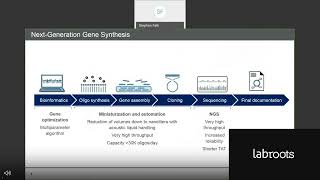
Complete Workflow Solution from Gene-to-Protein
Explore a comprehensive gene-to-protein workflow solution for reliable recombinant protein expression in eukaryotic cells, optimizing yields for structural and functional analyses in biomedical research and drug development.
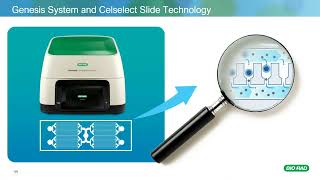
Maximizing Metastasis Insights: Using a Novel Integrated Workflow for Efficient CTC Analysis
Explore a novel integrated workflow for efficient CTC enrichment, enumeration, and identification in metastasis research. Learn about unbiased size selection and compatibility with various molecular and cellular applications.
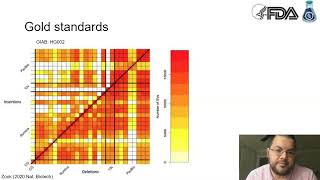
A Structural Variation Map of 499 Han Chinese Individuals Using Long-Read Sequencing Data
Explore a comprehensive structural variation map of Han Chinese genomes using long-read sequencing, uncovering genetic insights and implications for human evolution and disease.
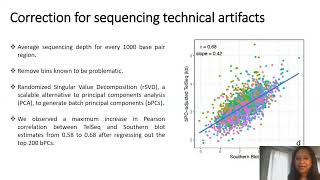
Sequencing the Genome: From Genotype to Phenotype and Extras in Between
Explore genome sequencing, from genotype to phenotype, with a focus on telomere length and its implications for aging, disease, and health disparities in minority populations.