How Meal Timing Can Transform Your Daily Endurance
Discover how strategic meal timing can boost endurance, enhance performance, and align with your body's natural rhythms. Learn practical tips for optimizing nutrition around exercise and daily activities.
Eating Right: Personalizing Health One Plate at a Time
Discover precision nutrition: a personalized approach to eating based on genetics, lifestyle, and microbiome. Learn how tailored nutrition can prevent diseases and optimize health, blending ancestral wisdom with modern science.
Education from A to Z - Biodiversity and Cultural Understanding
Exploring biodiversity's role in bridging cultural divides through a biologist's global journey, highlighting the power of plant diversity to foster respect and communication across nations.

How Venus Lost Its Water - AbSciCon24 Press Roundtable
Researchers discuss new findings on Venus's water loss, exploring the planet's history and implications for understanding planetary evolution across the galaxy.
The Wonders of Modern Science, Tempered by its Limitations
Explore the marvels and limitations of modern science with Ralph Miller, a distinguished professor in cognitive and brain sciences, as he discusses experimentation, memory, and unconscious processes.

The Neuroscience of Memory
Renowned neuroscientist Dr. Charan Ranganath explores the intricacies of memory, discussing why we remember certain things vividly while forgetting others, and offers insights into future memory research.
Partnering with Food - Rebuilding Our Relationship with Nutrition
Explore the complex relationship between humans and food, challenging societal norms and advertising influences to foster a healthier cultural approach to nutrition and sustenance.

How the Brain Changes of Motherhood Help Human Survival
Explore how maternal brain changes contribute to human survival, challenging the notion of "mom brain" as a deficit and revealing its evolutionary advantages.
Shifting Your Food Mindset - Addressing Fatty Liver Disease and Nutrition Literacy
Explore the impact of fatty liver disease and learn strategies to improve food literacy, nutrition education, and cooking skills for better health outcomes and disease prevention.
Modulation of Ensemble-level TNFR1 Mediated Apoptosis Response - Lecture 2
Explore ensemble-level TNFR1 mediated apoptosis response modulation, delving into advanced concepts of cancer cell death mechanisms and potential therapeutic implications.
Boolean Modeling of Biological Networks - Lecture 1
Explore Boolean modeling for biological networks, focusing on cancer progression. Learn theoretical approaches to understand complex biological systems and their applications in cancer research.
TORCHeS Infections: Toxoplasma, Others, Rubella, CMV, Herpes, HIV, Syphilis - Microbiology Lecture 14
Comprehensive overview of TORCHeS infections, focusing on neonatal and vertical transmission. Covers key pathogens, their effects, and clinical implications for healthcare professionals.

Selection, Genetic Covariances, and Network Position Predict Gene Expression
Explore how selection, genetic covariances, and network position influence gene expression in polygenic adaptation, integrating theoretical and empirical approaches to understand phenotypic variation.
An Ape as an Avatar - How Bonobos Can Lead Us to a Better World
Discover how bonobos, our closest ape relatives, inspire a harmonious society. Learn about their matriarchal structure, conflict resolution, and the Bonobo Peace Forest project, offering insights for human coexistence and conservation.

Protecting the Oceans to Save Ourselves
Renowned oceanographer Sylvia Earle advocates for protecting 30% of oceans by 2030 through "Hope Spots," highlighting the urgent need for marine conservation and its potential to reverse ecological decline.
Magnesium Deficiency and Excess - Symptoms, Diet, and Nutrition
Explore magnesium's vital role in body function, deficiency symptoms, and dietary sources. Learn about its impact on various physiological processes and how to maintain optimal levels for overall health.
Baroreceptor Reflex in Cardiovascular Physiology - Carotid Sinus and Aortic Arch
Comprehensive exploration of the baroreceptor reflex, covering its anatomy, physiology, and role in blood pressure regulation. Ideal for medical students and healthcare professionals.
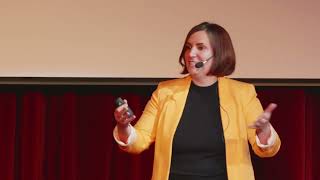
Brain Up - Harnessing Neuroplasticity for Personal and Professional Growth
Explore neuroplasticity's power in personal and professional growth. Learn about divergent thinking, neurodiversity, and harnessing brain capabilities for innovation and success.
The Evolutionary Sweet-Spot for Cognition
Explores the evolutionary factors influencing cognitive complexity across species, challenging traditional views and proposing a "sweet spot" theory for the development of advanced cognition.
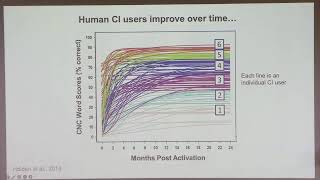
New Models of Human Hearing via Machine Learning
Exploring machine learning models to understand human auditory abilities and brain function, with implications for auditory prosthetics and behavioral insights.
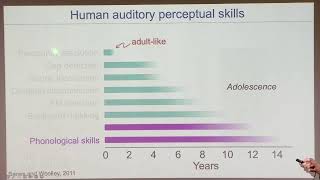
Auditory Cortex Plasticity Supports Social Learning
Explore how social experience facilitates auditory skill acquisition in gerbils, examining behavioral characteristics and neural mechanisms involved in auditory social learning.