
Introduction to the Immune System - Types of Immunity
Comprehensive overview of innate and adaptive immunity, covering key components like plasma, WBCs, lymphocytes, and natural killer cells. Essential for medical students and professionals.

Starling Forces Made Easy - Hydrostatic Pressure and Colloidal Osmotic Pressure
Comprehensive explanation of Starling forces, hydrostatic pressure, and oncotic pressure in fluid dynamics across capillary membranes for medical professionals and students.
Picmonic Microbiology - Hemophilus, Bordetella, Pasturella, Brucella, Francisella
Explore key bacterial pathogens: Hemophilus, Bordetella, Pasturella, Brucella, and Francisella. Learn their characteristics, diseases, and clinical significance using animated mnemonics for enhanced retention.
Staphylococcus Aureus Characteristics - Microbiology and Infectious Diseases
Comprehensive overview of Staphylococcus aureus, covering its microbiological features and role in infectious diseases. Ideal for medical students and healthcare professionals.

Gas Exchange and The Oxygen-Dissociation Curve
Comprehensive exploration of gas exchange and oxygen-dissociation curve in respiratory physiology. Covers key concepts, shifts, and applications for medical exams and clinical understanding.

Hypersensitivity Reactions - Type I, II, III, IV HSN - Most Comprehensive Explanation
Comprehensive explanation of hypersensitivity reactions, covering Types I, II, III, and IV. Explores differences between allergy and hypersensitivity, providing valuable insights for medical students and professionals.
Arterial Blood Pressure and Fluid Balance
Explore the intricate relationship between arterial blood pressure and fluid balance in the body, covering key physiological mechanisms and their impact on cardiovascular health.

An Introduction to Microbiology
Comprehensive overview of microbiology's branches: bacteriology, mycology, virology, and parasitology. Ideal for medical students preparing for exams like MCAT and USMLE.

Blood Vessels - Arteries, Arterioles, Capillaries, Venules & Veins - Biology
Comprehensive overview of blood vessel types and functions in the circulatory system. Explores structure and roles of arteries, arterioles, capillaries, venules, and veins in blood transport and distribution.
Type III Hypersensitivity Reaction - Immunology
Comprehensive exploration of Type III Hypersensitivity Reaction in immunology, covering mechanisms, clinical manifestations, and diagnostic approaches for medical professionals and students.
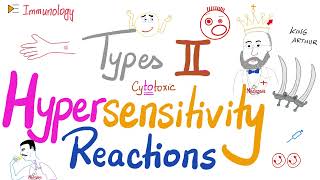
Type II Hypersensitivity Reaction - Immunology Lecture Series
Explore complement-mediated destruction, ADCC, and antibodies against cell surface receptors in Type II Hypersensitivity Reactions. Learn about various examples including rheumatic fever and autoimmune disorders.
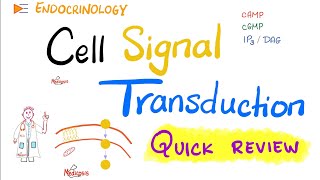
Cell Signal Transduction - Quick Review
Comprehensive overview of cell signaling mechanisms, covering key concepts in biosignaling for medical students and professionals seeking a quick yet thorough review.

Picmonic Microbiology - Moraxella Catarrhalis, Neisseria Gonorrheae, Neisseria Meningitidis
Comprehensive overview of Moraxella catarrhalis, Neisseria gonorrheae, and Neisseria meningitidis, covering key characteristics, pathogenesis, clinical presentations, and treatment approaches for these important bacterial pathogens.
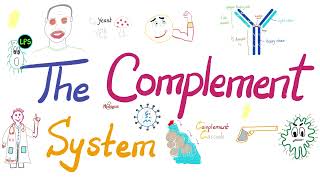
The Complement System - The Most Comprehensive Explanation
Comprehensive explanation of the complement system, covering three pathways, complement proteins, and the membrane attack complex. Ideal for medical students and professionals.

How Your Lungs Regulate Your Arterial Blood pH - ABG - Respiratory System - Biology Series
Explore the intricate relationship between lung function and blood pH regulation, covering arterial blood gases, acidosis, alkalosis, and respiratory system's role in maintaining pH balance.

The Mechanics of Breathing - Normal Inhalation and Exhalation - Respiratory Physiology
Explore the physiological processes of inhalation and exhalation, including lung volume changes, pressure dynamics, and Boyle's Law in respiratory function.
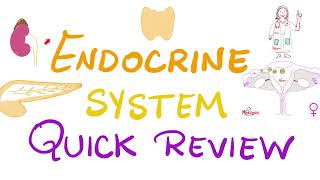
Endocrine System Review - Pituitary, Thyroid, Parathyroid, Adrenal, Pancreas, Gonads - Biology
Comprehensive review of the endocrine system, covering major glands and their hormones. Ideal for medical students preparing for exams or healthcare professionals seeking a refresher.
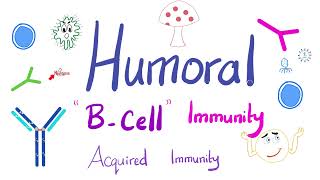
Humoral Immunity - The B-Lymphocytes - Immunology - Physiology
Explore B-lymphocyte development, from naive B-cells to memory and plasma cells. Learn about antibody types and their structure, crucial for understanding humoral immunity.

The Adrenal Cortex - Endocrine Glands - Biology Lectures
Comprehensive overview of the adrenal cortex's structure, function, and hormones. Explores its role in the endocrine system and impact on various physiological processes.
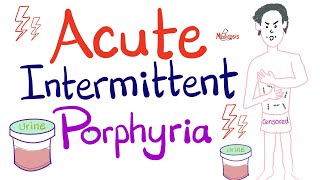
Acute Intermittent Porphyria - Disorders of Heme Synthesis - Biochemistry & Hematology
Explore the genetic disorder Acute Intermittent Porphyria, its symptoms, and treatment. Learn about heme synthesis defects, neuropsychiatric manifestations, and diagnostic indicators.
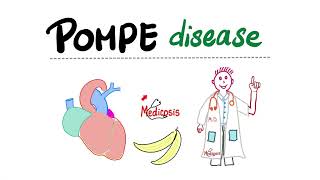
Pompe Disease - Glycogen Storage Diseases
Comprehensive overview of Pompe disease, covering genetic causes, symptoms, and complications. Includes mnemonic for easy recall and discusses its classification as a glycogen storage disorder.