Talking Science - Infectious Diseases and Immunology
Explore infectious diseases, immunology, and protective measures with Rockefeller University experts discussing TB, mosquito-borne illnesses, and antibodies in this informative scientific talk.
From Beach to Bench and Beyond - Venom’s Therapeutic Potential for Pain and Cancer
Explore venom's potential in pain management and cancer treatment, from marine snail toxins to innovative therapeutics. Learn about interdisciplinary research and science diplomacy.
The Inside Story - How the Microbiome Influences Communication Between Our Nervous and Immune Systems
Explore the gut-brain axis and its impact on health, covering topics like neuroimmunity, microbiome, food allergies, and oral tolerance, with insights into gastrointestinal pathologies and potential treatments.
A Burning Question - Can Some Body Fat Keep You Thin?
Explore the potential of brown fat in combating obesity and related health issues. Learn about its unique properties, physiological effects, and promising therapeutic targets for future treatments.

Antibody Therapeutics and Pathways to Prevention
Explore cutting-edge antibody therapeutics and prevention strategies for COVID-19 with experts from Rockefeller University, discussing ongoing research and clinical efforts to combat the pandemic.
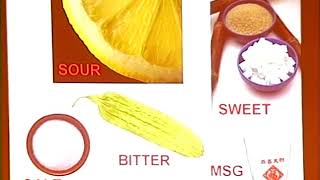
Talking Science - Covert Ops: The Chemicals Behind Invisible Communications
Explore the fascinating world of chemical communication, from taste receptors to olfactory systems, with insights into groundbreaking research and Nobel Prize-winning discoveries in neuroscience.
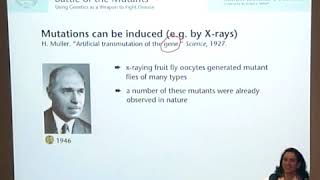
Talking Science - Battle of the Mutants Featuring F. Nina Papavasiliou
Explore the fascinating world of mutations, antibodies, and the immune system in this engaging lecture by Dr. Papavasiliou, delving into cutting-edge research and open questions in immunology.
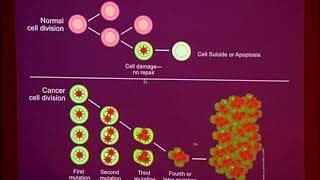
Talking Science - When Good Cells Go Bad
Explore cancer biology, cell cycles, and genetic factors in disease development. Learn about oncogenes, tumor suppressors, and groundbreaking research in this comprehensive lecture for high school students.
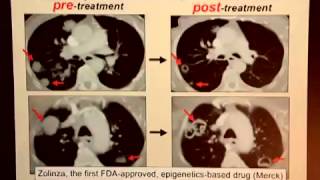
Science 101 for Parents - How Epigenetics is Revolutionizing the Understanding of Heredity
Explore how epigenetics revolutionizes our understanding of heredity, gene function, and its impact on evolution, health, and disease treatment, with insights from biochemist David Allis.
The Biology of Sensory Perception - How Children Discover the World
Explore how children's brains develop through sensory experiences, focusing on hearing and its potential risks. Learn about neural pathways, genetics, and sensory integration disorders.

The Decline of Butterflies in Europe - The Crisis Deepens
Exploring the alarming decline of European butterflies, causes, and conservation efforts, with a focus on UK trends, habitat loss, and strategies for species recovery and monitoring.

The Global Pollinator Crisis - Delusion, Decline, or Death Blow?
Explore the reality of pollinator decline, its impact, and conservation efforts in this insightful presentation on the global pollinator crisis.
Current Knowledge About Arctic Arthropod Population Change and a Computer Vision for Future Monitoring
Explore Arctic arthropod population changes and innovative computer vision techniques for future monitoring in this insightful presentation on global change impacts.
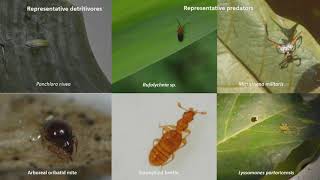
The Food Web Is Not Collapsing in the Luquillo Experimental Forest, Puerto Rico
Explore long-term arthropod diversity in Puerto Rico's Luquillo Forest, addressing concerns of insect decline and the impact of disturbances like Hurricane Maria on ecosystem stability.
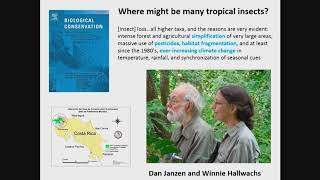
Moth Declines and What They Can Tell Us
Explore moth population declines, their implications, and research findings in this entomological presentation. Gain insights into climate impacts and biodiversity changes.
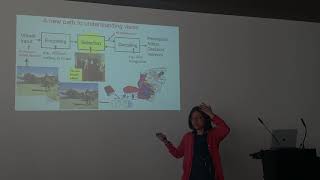
Zhaoping Li - The Central-Peripheral Dichotomy in Visual Decoding
Explore visual decoding, including visual selection, V1 mapping, and stereo vision, with insights on the central-peripheral dichotomy and its implications for understanding human perception.
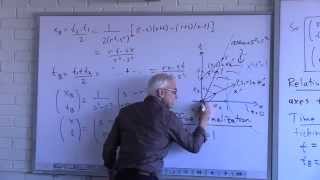
Bats, Echolocation, and a Newtonian View of Einstein's Special Relativity
Novel approach to Special Relativity using bats and sound instead of light, deriving key formulas through high school algebra. Emphasizes inertial observers over frames, making complex concepts more accessible.

Interpretation of Evidence Using Fundamental Physics in Forensic Science
Explore how fundamental physics principles and instrumentation contribute to forensic evidence analysis, from microscopic DNA to large-scale crime scene elements.
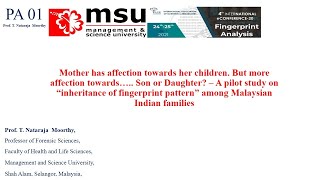
Inheritance of Fingerprint Patterns in Malaysian Indian Families
Explore fingerprint pattern inheritance in Malaysian Indian families, revealing insights into parent-child relationships through biometric analysis and regression techniques.

Ancient DNA: A Promising Genetic Tool in Forensic Investigation
Explore ancient DNA as a powerful genetic tool for forensic investigations, focusing on degraded samples and its potential to enhance DNA-based forensics in India.

Brain Electrical Oscillation Changes with Respect to Signature Profiling
Explore BEOS technique for detecting crime involvement through brain electrical signals. Learn about this non-responsive method based on EEG, presented by Prof. C.R. Mukundan.