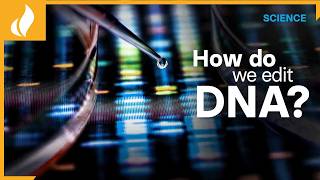
How Do We Edit DNA? - CRISPR and Gene Editing Technology
Explore CRISPR gene editing technology, its groundbreaking applications in treating diseases, and the bioethical concerns surrounding this revolutionary advancement in synthetic biology.

The Science and History of Eating Insects - Why Insects Matter
Explore the history, cultural significance, and future potential of entomophagy. Learn about insect-based cuisine worldwide, nutritional benefits, and why bugs might become a sustainable food source.

The Technology and Discoveries of the James Webb Space Telescope
Explore the groundbreaking James Webb Space Telescope with experts, discussing its mechanics, potential discoveries, and scientific implications. Gain insights into radio astronomy and the telescope's impact on our understanding of the universe.

Basics of Exome Sequencing - Genetics 101 - Ambry Genetics
Learn exome sequencing technology, lab processes, and applications. Explore data formats, variant filtering, gene-disease prioritization, and report structure. Gain insights into unique aspects and advantages of exome sequencing in genetic diagnostics.

Spinal Muscular Atrophy - Webinar - Ambry Genetics
Comprehensive overview of Spinal Muscular Atrophy, covering genetics, diagnosis, and recent therapeutic advancements. Explores disease etiology, new FDA-approved treatments, and their impact on patient outcomes.

Breast Cancer Risk Assessment Using the Tyrer Cuzick Model - Webinar - Ambry Genetics
Comprehensive overview of breast cancer risk assessment using the Tyrer-Cuzick model, covering key risk factors, recent updates, and potential applications for screening and prevention strategies.

Increasing the Positive Yield of Hereditary Cancer Testing with DNA and RNA - Ambry Genetics
Explore how combining DNA and RNA genetic testing enhances detection of clinically-actionable variants and reduces inconclusive results in hereditary cancer testing, improving diagnostic yield.

Talking to Patients About Genetic Testing and Psychosocial Implications of That Discussion - Webinar
Explore psychosocial challenges in genetic testing decisions, communication strategies, and patient support. Learn to create personalized information plans and navigate emotional complexities across various hereditary conditions.

Will RNA Testing Be the Next Del-Dup for Clinical Genetics - Webinar - Ambry Genetics
Explore how RNA genetic testing enhances hereditary cancer diagnostics, increasing detection of actionable variants and reducing inconclusive results through concurrent DNA and RNA analysis.

Genomic Technologies and Bioinformatics 101 - Webinar - Ambry Genetics
Introductory overview of next-generation sequencing technologies, covering sample preparation, data analysis, and bioinformatics concepts. Suitable for beginners interested in genomic data collection and interpretation.

RNA Sequencing as a Complement to DNA Genetic Testing - Ambry Genetics
Explore RNA sequencing technologies and their applications in understanding and diagnosing genetic diseases, with a focus on clinical utility and advanced analysis techniques.

Genetic Testing for Hereditary Neurological Disorders - Webinar - Ambry Genetics
Explore genetic testing for neurological disorders, covering diagnosis, treatment options, and ethical considerations for pediatric and adult cases.

Assessing Patients for Hereditary Cancer Risk - Genetics 101 - Ambry Genetics
Learn to identify patients at risk for hereditary cancer, understand genetic testing benefits, and explore tools for assessment. Gain insights into cancer genetics and patient considerations for informed decision-making.
Review Tools of UCSC Genome Browser - Clinical Diagnostic Series - Webinar - Ambry Genetics
Explore UCSC Genome Browser's tools for visualizing and analyzing genomic data through an interactive demo, covering features like data tracks, multi-region browser, and personal genome snips.

The Family Experience with Sudden Death - Inherited Arrhythmias Series, Part 2 - Ambry Genetics
Explore the family perspective on sudden death due to inherited arrhythmias, featuring healthcare providers and patient experiences, with a focus on evaluation, genetic testing, and support.
What's Next in Epilepsy Genetic Testing - Webinar - Ambry Genetics
Explore advancements in epilepsy genetic testing, including refined panels, precision medicine, and next-generation sequencing techniques for improved diagnosis and treatment strategies.

A New Wave for Hereditary Breast and Ovarian Cancer
Explore new research on hereditary breast and ovarian cancer, including risk factors, cancer spectrum, and genetic mutations, presented by a product manager from Ambry Genetics.
Analyzing Historical Mutations in the Cystic Fibrosis Gene - Ambry Genetics
Genetic counselors analyze CFTR gene mutations, discussing reclassified variants and implications for genetic testing in cystic fibrosis and related disorders.
The Basics of Inborn Errors of Metabolism - A Clinical and Diagnostic Perspective
Explore inborn errors of metabolism, covering biochemical genetics, metabolic pathways, disorders, testing, inheritance, and specific conditions like phenylketonuria and fatty acid oxidation disorders.
Ambry Genetics - Applications of Diagnostic Exome Sequencing
Explore diagnostic exome sequencing applications in neonatal intensive care, covering methods, results, case studies, and benefits of early genetic diagnosis for newborns.
Introduction to Hereditary Sarcoma and Genetic Counselling for Sarcoma - Ambry Genetics
Comprehensive overview of hereditary sarcoma, covering subtypes, associated syndromes, genetic testing, and management strategies for healthcare professionals and genetic counselors.