
Introduction to Neuroanatomy - Neuroscience - Neurophysiology
Comprehensive introduction to neuroanatomy, covering central and sensory nervous systems, special senses, somatic sensations, and proprioception. Ideal for medical students and professionals seeking in-depth understanding of neural structures and functio…

ABO Blood Group System - Blood Types and ABO Antigens
Comprehensive exploration of ABO blood group system, covering antigen types, genetic factors, and biochemical processes involved in determining blood types. Ideal for medical students and healthcare professionals.
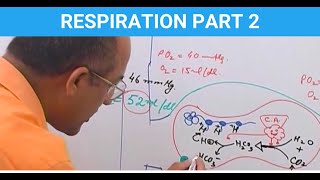
Respiration - Transport of Carbon Dioxide in Blood & Body Fluids - Part 2
Detailed exploration of carbon dioxide transport in blood, covering mechanisms, forms, and physiological effects. Includes discussions on Bohr and Haldane effects, and hemoglobin's multifaceted roles.

Innate Immunity - Complement System - Immunology
Comprehensive exploration of innate immunity and complement system, covering activation pathways, protein interactions, and immune responses. Ideal for medical students and professionals seeking in-depth immunology knowledge.
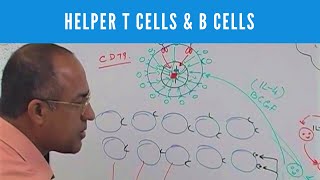
Immunology - Helper T Cells CD4+ and B Cells - Lymphocytes
Comprehensive exploration of helper T cells and B cells in immunology, covering their roles, interactions, and mechanisms in the immune response. Includes detailed explanations of antigen presentation and lymphocyte activation.

Spinothalamic Tract - Ascending Tracts - Spinocerebellar Tract - Neuroanatomy
Comprehensive exploration of central nervous system sensory pathways, covering tract types, receptors, spinal cord anatomy, and specific tracts like spinothalamic and spinocerebellar.
Neuromuscular Junction - Structure, Function & Diseases - Synaptic Cleft
Comprehensive exploration of neuromuscular junction structure, function, and related diseases. Covers transmission process, key components, and disorders like myasthenia gravis, offering valuable insights for medical students and professionals.

Jaundice - Part 1
Comprehensive exploration of jaundice, covering its definition, related conditions, bilirubin metabolism, and clinical correlations. Ideal for medical students seeking in-depth understanding of this common condition.

Renin Angiotensin Aldosterone System - RAAS
Comprehensive exploration of the Renin-Angiotensin-Aldosterone System, covering its mechanisms, functions, and clinical implications in blood pressure regulation and cardiac health.

Vestibulo Ocular Reflex - Neuroanatomy
Explore the vestibulo-ocular reflex and its neuroanatomy, including the vestibular apparatus, semicircular canals, and neural pathways involved in maintaining visual stability during head movements.

Fed State - Insulin & Role of Liver - Blood Glucose Regulation Part 2/2
Comprehensive exploration of insulin's role in glucose regulation, covering receptor pathways, GLUT transporters, liver metabolism, and triglyceride synthesis and transport in the fed state.
Spirometry - Lung Volumes and Capacities - Respiratory System
Comprehensive exploration of lung volumes, capacities, and spirometry, covering key respiratory concepts, measurement techniques, and clinical implications for various age groups and conditions.

DNA Structure - DNA Function - Cell Biology
Comprehensive exploration of DNA structure and function, covering nucleotides, base pairing, genetic information storage, and cellular organization. Ideal for biology students and enthusiasts.

Anatomy of Cerebellum - Structure and Function - Neuroanatomy - Neuroscience
Comprehensive exploration of cerebellar anatomy, function, and connections, covering embryology, structural components, motor system integration, and detailed neuroanatomy of cerebellar pathways.

Cell Cycle and Genes - Mitosis and Meiosis
Comprehensive exploration of cell cycle stages, mitosis, and meiosis, covering key processes like DNA replication, chromosome segregation, and cell division in eukaryotes and prokaryotes.

Introduction to Microbiology
Comprehensive overview of microbiology fundamentals, covering protein turnover, infectious agents, bacteria, plasmids, bacteriophages, and transposons. Ideal for medical students seeking in-depth understanding.

Basal Ganglia - Structure and Function - Neuroanatomy
Comprehensive exploration of basal ganglia structure, function, and related disorders. Covers anatomy, pathways, neurotransmitters, and clinical implications, including Parkinson's and Huntington's diseases.
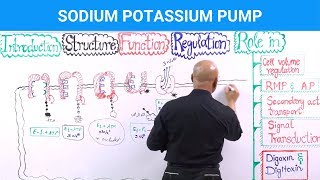
Sodium Potassium Pump - Na+ / K+ - ATPase
Comprehensive exploration of the sodium-potassium pump mechanism, covering its structure, function, and role in active transport across cell membranes.

Intro to Neuroanatomy - Neurophysiology - Neuroscience - Central Nervous System
Comprehensive exploration of neuroanatomy, covering nervous system structure, functions, and classifications. Delves into sensory and motor systems, CNS divisions, and cellular components.

Epithelial Tissue - Structure & Function
Comprehensive overview of epithelial tissue types, structures, and functions. Explores classification, locations in the body, and specialized cellular features, providing essential knowledge for understanding human anatomy.

Pancreas - Structure & Function
Comprehensive exploration of pancreatic anatomy, exocrine and endocrine functions, ductal system, enzyme production, and related pathologies. Emphasizes clinical relevance and diagnostic implications.