
Spying on Whales and Walrus From Space to Safeguard Their Future
Discover how satellite imagery is revolutionizing whale and walrus conservation by enabling remote monitoring in hard-to-reach areas, filling crucial knowledge gaps for their protection.
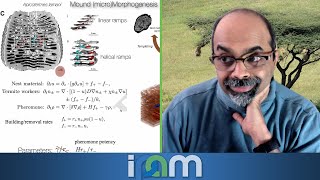
Physical Intelligence in Insect and Robot Societies - IPAM at UCLA
Exploring collective problem-solving in insect societies and robotic systems, linking physics and behavior across scales to understand embodied physical intelligence in nature and technology.

What the Numbers Say - How Can We Get to a Safer Summer?
Experts discuss COVID-19 modelling, public health measures, and strategies for controlling the pandemic in Ontario, offering insights on how to achieve a safer summer through data-driven approaches.

Acute Myelogenous Leukemia - AML
Comprehensive overview of Acute Myelogenous Leukemia, covering hematopoiesis, pathophysiology, diagnosis, and treatment. Ideal for medical students and healthcare professionals seeking in-depth understanding of AML.
Interfaces Between Atomically Precise Metal Nanoparticles and Biomolecules - Prospects and Challenges
Exploring interfaces between precise metal nanoparticles and biomolecules, discussing prospects and challenges in nanoparticle assembly for functional materials at the mesoscale.

Anatomy Masterclass - The Abdominal Cavity
Comprehensive exploration of abdominal cavity anatomy, covering musculoskeletal borders, internal structures, and division schemes. Ideal for medical students and anatomy enthusiasts seeking in-depth understanding.

Understanding COVID Testing and Prevention: View from a Primary Care Physician
Insights on COVID-19 testing and prevention from a Harvard-affiliated primary care physician, covering real-world experiences, vaccine information, and addressing audience questions.

Evaluating the Family After Sudden Death in the Young
Understand postmortem genetic testing and family evaluation after sudden cardiac death in young individuals. Learn about pathology, causes, and risk assessment for inherited cardiovascular diseases.

Fostering Change: ACMG's New Diversity, Equity and Inclusion Committee
Explore ACMG's new DEI Committee initiatives to increase diversity in medical genetics, including mentorship programs, expanded participation, and long-term strategies for inclusivity.
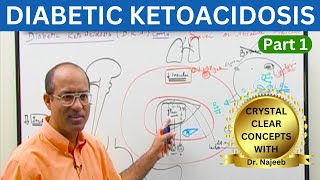
Diabetic Ketoacidosis - Symptoms, Causes, and Diagnosis - Part 1
Comprehensive exploration of diabetic ketoacidosis, covering symptoms, causes, and diagnosis. Delves into insulin deficiency, ketogenesis, and metabolic changes, providing valuable insights for medical professionals and students.
Adrenergic Drugs Part 2 - Pharmacology
Comprehensive exploration of adrenergic agonists, their mechanisms of action, and classification into direct, indirect, and mixed-acting agents. Detailed insights into sympathomimetic drugs and their effects on the nervous system.

Adrenergic Drugs - Part 1: Mechanisms and Sympathomimetics
Comprehensive exploration of adrenergic drugs, covering mechanisms, classifications, and effects on the sympathetic nervous system. Ideal for medical students and healthcare professionals.
AntiCholinergic and Parasympatholytic Drugs
Comprehensive exploration of anticholinergic drugs, their mechanisms, and effects on the nervous system. Covers parasympatholytic agents, receptor interactions, and clinical applications.

Functions of Kidneys - Physiology and Structure
Comprehensive exploration of kidney physiology, structure, and functions, covering nephron processes, waste excretion, and urine production. Ideal for medical students and professionals.
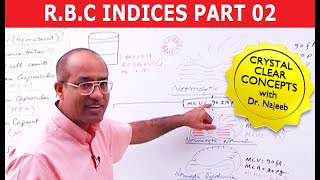
RBC Indices: Hemoglobin, Hematocrit, MCV, MCH, and MCHC - Part 2
Comprehensive exploration of red blood cell indices, including hemoglobin, hematocrit, MCV, MCH, and MCHC. Learn to interpret these values for diagnosing and differentiating types of anemia.
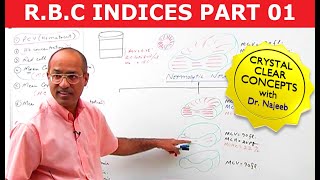
RBC Indices: Hemoglobin, Hematocrit, MCV, MCH, and MCHC - Part 1
Comprehensive explanation of red blood cell indices, including hemoglobin, hematocrit, MCV, MCH, and MCHC. Learn to interpret these values for diagnosing different types of anemia.

Female Reproductive Cycle - Menstrual Cycle and Hormones
Comprehensive exploration of the female reproductive cycle, covering hormonal changes, follicular development, ovulation, and uterine phases, with clinical correlations and fertilization process.

Metronidazole - Antibiotic Mechanism of Action
Comprehensive exploration of metronidazole's mechanism of action, covering its definition, role of ferredoxin, and chemical reactions involved in this antibiotic's effectiveness against infections.

Hypothalamus - Anatomy, Structure, and Function in Neurology
Comprehensive exploration of hypothalamus anatomy, structure, and function in neurology. Covers its role in homeostasis, endocrine regulation, and autonomic control, emphasizing its importance in maintaining bodily balance.

RBC Indices and Anemia: Understanding Hemoglobin, MCV, MCH, MCHC, and RDW
Comprehensive exploration of red blood cell indices, including MCV, MCH, MCHC, and RDW, essential for understanding anemia and hemoglobin-related disorders in hematology.
Drugs Used in Parkinson's and Alzheimer's Diseases - Pharmacology Part 1
Comprehensive exploration of pharmacological treatments for Parkinson's and Alzheimer's diseases, focusing on pathways, mechanisms, and motor symptoms. Ideal for medical students and professionals.