
Sleep Deprivation in the ICU
Explore the impact of sleep deprivation on healthcare providers, including effects on alertness, performance, and patient safety. Learn about policies and future steps to address this critical issue.

Emerging Trends in Research - Journal Prioritization
Explore journal prioritization in pediatric critical care research, gaining insights on emerging trends and understanding how to stay updated with key publications in the field.

Characteristics and Outcomes of U.S. Children and Adolescents with MIS-C by Dr. Adrienne Randolph
Dr. Randolph discusses epidemiology, clinical characteristics, and outcomes of pediatric Severe Acute COVID-19 and MIS-C, providing insights to distinguish between these conditions for timely and effective therapies.

Pathophysiology and Diagnosis of Heart Failure
Comprehensive overview of heart failure in pediatrics, covering causes, classification, clinical signs, and diagnostic approaches. Essential for healthcare providers treating critically ill children.
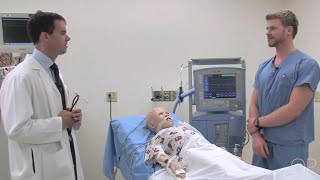
Management of the Intubated Asthmatic Patient
Comprehensive guide on managing intubated asthmatic patients, covering ventilator settings, hypercarbia, hemodynamics, medications, weaning, and extubation readiness. Essential for pediatric critical care providers.
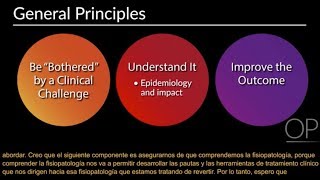
Improving Outcomes - Lessons Learned from Pediatric Sepsis
Dr. Shanley shares insights on improving pediatric sepsis outcomes, analyzing PICU experiences and strategies for clinical challenges. He explores sepsis epidemiology, shock types, and innovative research methodologies in pediatric critical care.
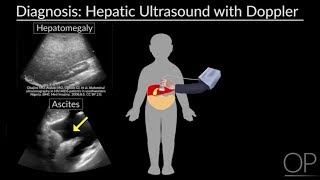
Veno-Occlusive Disease by Steven Margossian for OPENPediatrics
Comprehensive overview of veno-occlusive disease post-stem cell transplant, covering pathophysiology, diagnosis, prevention, and management strategies for healthcare professionals.
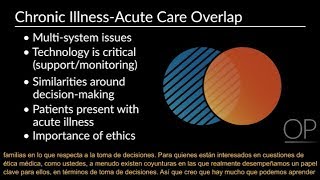
The Role of Critical Care for Children with Special Healthcare Needs
Explore best practices for managing children with chronic critical illnesses in ICUs, including patient populations, current research, and strategies for healthcare providers.

Feeding the Critically Ill Child
Comprehensive overview of nutrition for critically ill pediatric patients, covering assessment methods, challenges, and strategies to optimize nutrient delivery in intensive care settings.
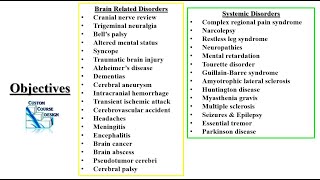
Neurology Review for PA and NP Didactic, PANCE, PANRE
Comprehensive neurology review for PA/NP students and practitioners, covering key topics from cranial nerves to headaches. Includes practice tests and emphasizes high-yield concepts for board exams.
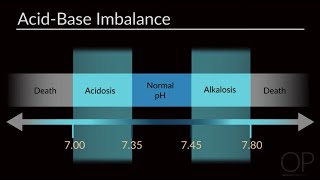
Interpreting Arterial Blood Gases - ABGs
Comprehensive guide to interpreting arterial blood gases, covering normal ranges, acid-base imbalances, and case studies. Ideal for healthcare professionals seeking to enhance diagnostic skills in critical care settings.

Biomarkers and Enrichment for Sepsis Trials
Explore biomarkers and enrichment strategies for sepsis trials, focusing on the PERSEVERE risk model and its application in clinical research and patient stratification.
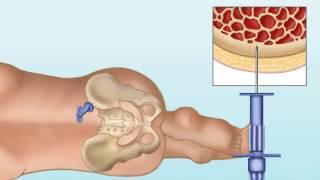
Graft-Versus-Host Disease
Comprehensive overview of graft-versus-host disease, covering pathophysiology, risk factors, clinical features, grading, prevention, and treatment strategies for healthcare providers caring for critically ill children.

Neurobiology of Pain
Explore pain mechanisms, transmission, and chronic treatment approaches. Learn about clinical syndromes, pain pathways, and innovative concepts like central sensitization and disinhibition.
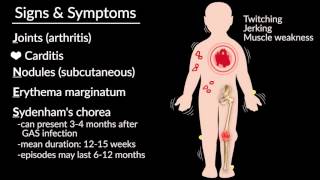
Acute Rheumatic Fever - Emmanuel Rusingiza, MD - OPENPediatrics
Comprehensive overview of Acute Rheumatic Fever: epidemiology, causes, diagnosis, treatment, and prevention strategies. Ideal for healthcare professionals seeking in-depth knowledge on this critical pediatric condition.

Multifactorial Inheritance
Explore multifactorial inheritance, including evidence, models, and genetics of common disorders. Learn about familial clustering, heritability, and genome-wide associations in complex traits.
Head, Neck, Brain Anatomy Review
Comprehensive review of head, neck, and brain anatomy for healthcare professionals, featuring visual aids, clinical correlations, and practical exam techniques.
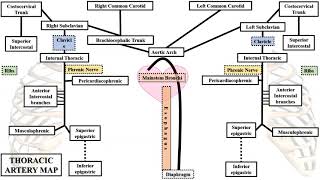
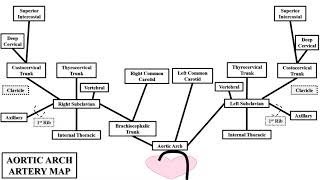
Thorax, Abdomen, Pelvis Anatomy Review
Comprehensive anatomy review of thorax, abdomen, and pelvis for healthcare professionals. Includes detailed "roadmaps" of structures, color-coded maps, and easy-to-draw sacral plexus diagram.

Arthritis in the Hands - Top 5 Facts to Know When You Have Hand Arthritis
Discover key facts about hand arthritis, including types, causes, and treatments. Learn to differentiate between osteoarthritis and rheumatoid arthritis, and explore effective management strategies.

Do I Need Prednisone? A Rheumatologist Answers
Comprehensive overview of prednisone in rheumatology: its mechanism, uses, dosing, and tapering strategies. Learn about this powerful anti-inflammatory medication from a rheumatologist's perspective.

Understanding Your ESR Result - A Rheumatologist Explains
A rheumatologist explains ESR (sed rate), an inflammatory marker used in diagnosing conditions like rheumatoid arthritis and lupus. Learn its significance, interpretation, and limitations in rheumatology.