
Cosmology with Large-Scale Structure - Lecture 1
Explore large-scale structure as a cosmological probe, covering statistical approaches, bias models, and testing methods. Learn how LSS informs our understanding of the universe's composition and evolution.
How Privilege Defines Performance - Examining Bias in Web Design
Examining privilege's impact on web performance, accessibility, and inclusive design. Challenges creators to build conscientiously, resist biases, and create truly inclusive systems for all users.

Xavier Amatriain on Practical Deep Learning Systems - November 2019
Practical insights on deep learning systems, covering data handling, model selection, architecture engineering, and real-world implementation challenges in various domains.
Debiasing Random Forests for Treatment Effect Estimation
Explore techniques for debiasing random forests in treatment effect estimation, focusing on resource allocation in election campaigns and get-out-the-vote experiments.
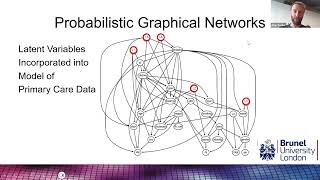
Dealing with Privacy, Bias and Drift in Synthetic Primary Care Data
Explore synthetic healthcare data generation, addressing privacy concerns, bias detection, and concept drift in evolving medical datasets for improved research and policy-making.
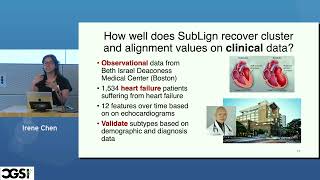
Fairness and Equity in Machine Learning for Healthcare
Explore fairness and equity in healthcare ML, addressing bias, challenges, and innovative solutions for equitable outcomes in medical applications and large language models.
Be More Responsible Around AI - Less Bias, More Ethics
Explore ethical AI development, focusing on reducing bias and enhancing responsible practices in artificial intelligence systems.
The Unconscious Is Not What You Think It Is
Explore the unconscious mind's role in shaping biases, values, and decision-making. Learn how understanding its workings can predict outcomes and enhance self-awareness.
Human Factors That Influence Secure Software Development
Explores human factors influencing secure software development, including environmental conditions, developer characteristics, and team dynamics. Discusses strategies to identify and mitigate vulnerability-prone code before issues arise.

Robot Cars, Risk and Ethics - Lessons for Artificial Intelligence
Explore ethical challenges and risks of autonomous vehicles, offering insights into AI development and its broader implications for society and infrastructure.

Synthetic Beings - A Case for Imagination in Empathy
Exploring the role of imagination in developing empathy through music and storytelling, emphasizing soft power's influence on social interactions and challenging biases.

Monitoring at Scale - Intuitive Dashboard Design
Explore intuitive dashboard design for large-scale monitoring, focusing on cognitive science principles to create effective visualizations that aid quick decision-making and system health evaluation.

Computers are Stupid - Protecting "AI" from Itself
Explore AI security, adversarial learning, and ethical challenges in machine learning. Learn about vulnerabilities, biases, and privacy risks in AI systems, and potential solutions for robust and secure neural networks.
Untrusted Onions - Is Tor Broken
Explore Tor network vulnerabilities and potential security risks through machine learning techniques and website fingerprinting analysis.

Staying Safe in the AI Future
Explore strategies for responsible AI development and usage, focusing on data quality, bias mitigation, and ethical considerations to ensure a safer AI-driven future.
Lies, Damned Lies, and Statistics
Explore common statistical fallacies and learn to recognize misleading data interpretations. Gain insights on correlation, bias, and significance to draw accurate conclusions from statistics.

Diversity, Equity, and Inclusion - What's the Difference?
Explore diversity, equity, and inclusion concepts, their differences, and practical tips for fostering a culture of belonging in the workplace and at professional events.
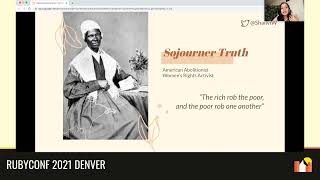
The Intentional Plan for Intersectionality
Explore intersectionality in STEM, addressing challenges faced by underrepresented groups. Learn to recognize privilege, workplace issues, and create an intentional plan for inclusivity.
Deep Learning with TensorFlow
Interactive TensorFlow session: build deep learning models from basics to advanced concepts. Hands-on approach to creating and using models in applications, suitable for beginners and experienced developers alike.

Why Our Products and Communities Need Our Empathy
Explore empathy's role in tech, understanding diverse perspectives to create inclusive products and communities. Learn strategies to overcome biases and foster understanding.

Can Prejudice Ever Be a Good Thing?
Psychologist Paul Bloom explores the nature of prejudice, challenging common assumptions and offering insights on how to understand and control our biases for better decision-making.