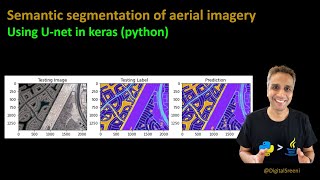
Semantic Segmentation of Aerial Imagery Using U-Net
Learn to preprocess aerial imagery, train U-net for semantic segmentation, and make predictions using Python, focusing on data preparation and model implementation for satellite image analysis.
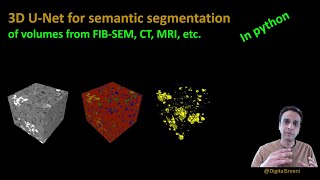
3D U-Net for Semantic Segmentation
Learn to implement 3D U-Net for semantic segmentation on volumetric data like FIB-SEM, CT, and MRI. Covers data preparation, model architecture, training, and multichannel image processing using Python libraries.
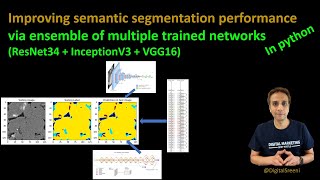
Improving Semantic Segmentation - U-Net Performance via Ensemble of Multiple Trained Networks
Enhance U-Net performance for semantic segmentation using ensemble methods with ResNet34, Inception V3, and VGG16 networks. Includes code, dataset, and practical implementation tips.
MIT: Neural Rendering
Explore neural rendering techniques, from forward and inverse rendering to 3D data representations, with insights on RenderNet, neural point-based graphics, and HoloGAN in this comprehensive lecture.
Generalizable Autonomy for Robot Manipulation
Explore generalizable autonomy in robot manipulation through imitation learning, visuo-motor policies, and reinforcement learning techniques. Discover innovative approaches for achieving adaptable and efficient robotic systems.

Neurosymbolic AI
Explore neurosymbolic AI, combining deep learning and symbolic reasoning to address limitations in current AI systems. Learn about out-of-distribution performance, adversarial examples, and advantages of hybrid approaches.
Deep Learning New Frontiers
Explore deep learning limitations and new frontiers, including expressivity, generalization, adversarial attacks, uncertainty, and AutoML. Gain insights into cutting-edge developments in neural networks.

Reinforcement Learning
Explore deep reinforcement learning concepts, from Q-functions to policy gradients, with applications in Atari games, real-world scenarios, and groundbreaking AI like AlphaGo.

Multi-Class Language Classification With BERT in TensorFlow
Learn to build a multi-class language classification model using BERT and TensorFlow. Covers data preprocessing, model architecture, training, and prediction with transformers for NLP tasks.
How to Detect Malware in Encrypted Traffic Without Decryption
Explore machine learning techniques for detecting malware in encrypted traffic without decryption. Learn about AI applications in cybersecurity and innovative approaches to network threat monitoring.
How to Build a Quokkabot
Learn to create a chatbot that identifies quokkas using Twilio APIs and Microsoft's Custom Vision, combining machine learning with engaging communication channels.
Beyond Sentiment Analysis - Object Detection with ML NET
Explore object detection using ML.NET Model Builder, overcoming resource limitations. Learn image labeling tools, practical examples, and use cases for efficient computer vision implementation in .NET solutions.
Learning about Machine Learning from Kids
Explore AI through children's projects, gaining insights on machine learning principles and their real-world impact. Discover hands-on approaches for developers new to AI/ML.
Making Every Game More Accessible with .NET and AI
Explore how .NET and AI can make gaming accessible through voice control, enabling players to use virtual assistants as controllers across multiple platforms and games.
The Making of 5G with AI and Open Source
Explore the future of telecommunications as AT&T's expert discusses integrating AI and open source technologies to revolutionize 5G networks and shape our connected world.
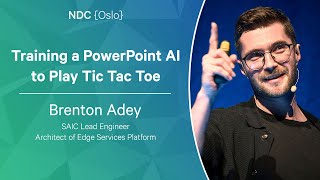
Training a PowerPoint AI to Play Tic Tac Toe
Demystifying machine learning by building a Tic Tac Toe AI in PowerPoint, showcasing basic principles and proving that AI concepts are accessible to everyone, not just math experts.
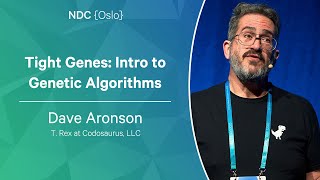
Tight Genes - Intro to Genetic Algorithms
Explore genetic algorithms: evolve solutions, create a simple runner, and solve problems like knapsack, D&D character creation, and mead recipe optimization.
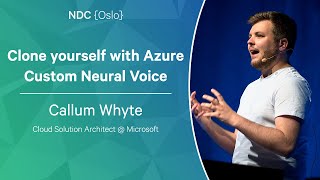
Clone Yourself with Azure Custom Neural Voice
Explore Azure Custom Neural Voice to create a synthesized version of your voice for various applications, from basic training to advanced techniques using larger audio datasets.
Building Cost-Effective Homelabs for AI Workloads - A Practical Guide
Discover practical insights for building budget-friendly AI homelabs, from hardware choices to workflow optimization. Learn from 7 years of hands-on experience in running AI workloads efficiently at home.
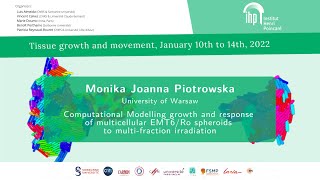
Computational Modelling of Growth and Response of Multicellular EMT6/Ro Spheroids to Multi-Fraction Irradiation
Explore computational modeling of EMT6/Ro spheroid growth and response to multi-fraction irradiation, enhancing understanding of cancer dynamics and potential therapeutic improvements.
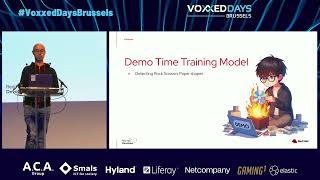
Quarkus and AI: Integrating Java and LLMs to Build Intelligent Applications
Explore integrating Quarkus with Large Language Models to create intelligent Java applications, enhancing user interaction and experience through AI-powered interfaces.