Mathematical Problems in Machine Learning - Lecture 4
Delve into advanced mathematical probability concepts applied to machine learning through Stanford expert Andrea Montanari's comprehensive theoretical exploration and analysis.
Generative AI Risks, Benefits, and Governance
Explore the dual nature of Generative AI through a comprehensive analysis of its benefits, risks, and governance frameworks from an industry expert's perspective.
Cross Generative AI: New Opportunities for AI in Customer Service
Explore how Cross-Generative AI revolutionizes customer service by combining human capabilities with AI, driving improved productivity, satisfaction, and cost optimization through integrated analytics.

Building AI Pipelines with Hugging Face and Kedro - From ChatGPT to Production
Discover how to build robust AI systems using Hugging Face's open models and Kedro pipelines, moving beyond commercial AI to create customizable and transparent machine learning solutions.
Making AI Truly Open Source - Challenges and Solutions
Explore the complexities of truly open-source AI, examining transparency challenges, data attribution issues, and practical solutions for creating genuinely open AI systems.
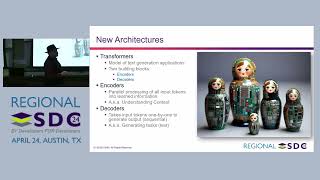
AI at the Intersection of Storage and Networking
Explore the technical implications of AI's rapid rise in storage and networking architectures, examining key challenges and future developments through an expert industry perspective.
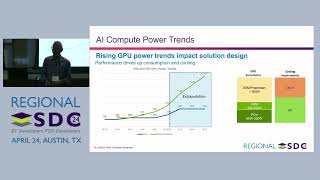
Technical Trends in AI Infrastructure for Developers - 2024
Explore the evolving landscape of AI infrastructure, from accelerators and storage to deployment models, focusing on technical trends and future solutions for developers working with AI workloads.
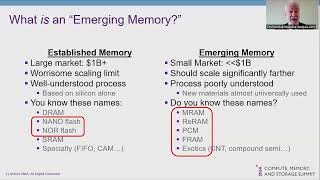
Memories Are Driving Big Architectural Changes in Computing Systems
Explore the rapid evolution of memory technologies and their impact on computing architecture, from CXL and HBM to emerging solutions like MRAM and Processing in Memory, shaping the future of AI and data processing.
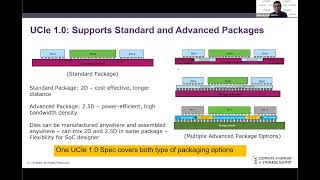
UCIe: An Open Standard for Package-Level Innovations in Computing Systems
Explore UCIe open standard for package-level innovations, covering key metrics, adoption criteria, and usage models for high-performance computing and heterogeneous processing integration.

Training Deep Learning Models in the Cloud - Infrastructure Considerations and Best Practices
Explore deep learning infrastructure considerations for cloud and on-premises deployments, covering scalability, performance optimization, and operational challenges in AI model training.
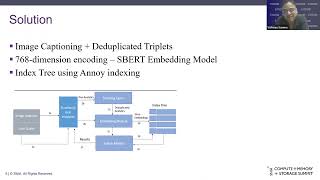
Computational SSD Framework for Unified Semantic Image Retrieval
Discover how to implement computational SSD frameworks for efficient semantic image retrieval using transformer models, unified embedding formats, and intent-based clustering techniques.
Fabric Attached Memory: Hardware and Software Architecture for HPC Systems
Explore fabric-attached memory architecture and software solutions for handling large datasets in HPC clusters, focusing on AI and data analytics workloads using CXL and Arkouda-based applications.
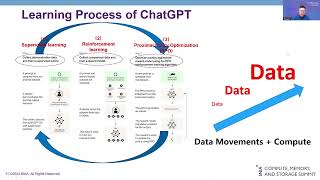
Overcoming Real-World Challenges Between Data and AI Infrastructure
Explore infrastructure innovations for managing AI workloads, optimizing data processing, and achieving lower latency in real-time analytics and predictive modeling across industries.
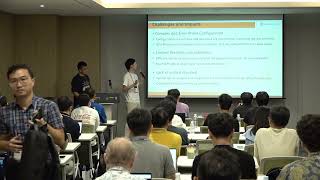
Kata Containers 4.0 - Full Lifecycle GPU Management for AI/ML Workloads
Discover how Kata Containers 4.0 revolutionizes GPU management for AI/ML workloads through CDI framework integration, enhanced security features, and streamlined resource allocation in Kubernetes environments.
Training Neural Networks for Temporal Difference Model Predictive Control - Part 2
Dive into the technical aspects of training neural networks in TD-MPC, covering TD learning, Q network optimization, and data collection strategies for robotic control systems.

The Good, The Bad, and The Ugly: Microsoft Copilot
Explore the strengths, weaknesses, and potential risks of Microsoft Copilot through expert analysis and real-world insights into its capabilities and limitations.

Multi-teacher Multi-stage Knowledge Distillation for Reasoning-Based Machine Reading Comprehension
Explore multi-teacher and multi-stage knowledge distillation techniques for enhancing machine reading comprehension and reasoning capabilities in question-answering systems.
Rethinking the Evaluation of Dialogue Systems: Effects of User Feedback on Crowdworkers and LLMs
Explore groundbreaking research on dialogue system evaluation, examining how user feedback impacts both crowdworkers and Large Language Models in assessment methodologies.
Pacer and Runner: Cooperative Learning Framework for Single and Cross-Domain Sequential Recommendation
Explore a cooperative learning framework that bridges single and cross-domain sequential recommendations, enhancing recommendation systems through innovative data integration techniques.
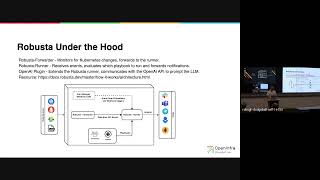
Using Robusta and ChatGPT to Fix Kubernetes Infrastructure and Apps
Discover how Robusta integrates with ChatGPT to streamline Kubernetes troubleshooting, interpret alerts, and implement quick fixes for infrastructure and application issues.

How to Design ML Observability for High-Risk AI Use Cases
Master ML Observability techniques for high-risk AI deployments, focusing on model monitoring, explainability, auditing, and risk management policies for mission-critical applications.