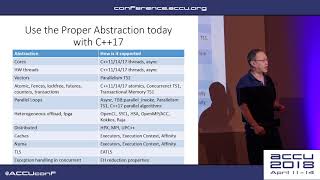
Heterogeneous Programming in C++ Today
Explore the evolving landscape of heterogeneous parallelism in C++, including standards, specifications, and future applications in IoT, self-driving cars, and machine learning.
Monotron - A 1980s Style Home Computer Written in Rust
Explore building a retro-style computer using Rust, covering VGA output, PS/2 keyboard input, audio generation, and embedded systems challenges on modern hardware.
Interactive C++ - Meet Jupyter - Cling
Explore interactive C++ using Jupyter and Cling. Learn prototyping techniques, interface guidance, and powerful combinations for data science and exploratory programming.
Remove This Idiom
Exploring C++20's safer alternative to the erase-remove idiom for element removal in collections, offering improved efficiency and eliminating common pitfalls in STL usage.
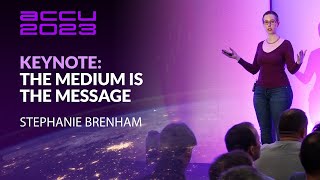
Development Environments Shape Programming Solutions
Explore how different development environments shape tech creation across research, prototyping, software products, video games, and game engines, highlighting unique challenges and methods in each field.
Hearing from Emacs Beginners
Explore insights from Emacs newcomers as Daniel Gopar shares experiences and challenges faced by beginners, offering valuable perspectives for both novices and experienced users alike.
Extend Emacs to Modern GUI Applications with EAF
Discover how to integrate modern GUI applications into Emacs using EAF. Learn to enhance your Emacs experience with cutting-edge features and functionalities.
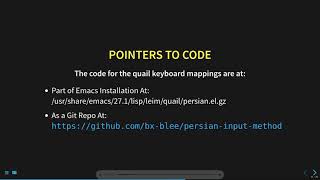
Perso-Arabic Input Methods and Making More Emacs Apps BIDI Aware
Demonstrating Emacs as a comprehensive environment for Perso-Arabic users, covering input methods, bidirectional support, and applications like email, calendars, and typesetting.
Through the Looking Glass - How User Testing Can Give Technical Writers Better Perspective
Explore how user testing enhances technical writing, providing insights into user experiences and improving documentation. Learn techniques to convert test results into better, more user-focused content.
Mixed Reality and Art - The Quest for the Shiny
Exploring the intersection of mixed reality and art, this talk delves into the potential and challenges of AR and VR in artistic expression, emphasizing meaningful content over technological gimmicks.
Patching Through the Snow - Decentralised Kernel CI on Every Patch
Explore decentralized kernel CI using snowpatch and Patchwork for rapid feedback on Linux kernel patches, improving development efficiency and collaboration across diverse testing environments.
Open Source Superhumans
Explore how open source hardware and software can enhance assistive technologies, empowering individuals with disabilities through customizable solutions for improved independence and quality of life.
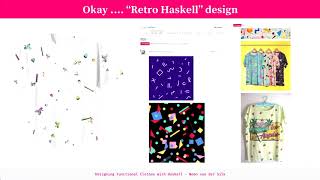
Designing Functional Clothes with Haskell
Learn to create unique clothing patterns using Haskell's "diagrams" library. Explore composable graphics, mathematical structures, and build an open-source fashion design pipeline for functional and stylish apparel.
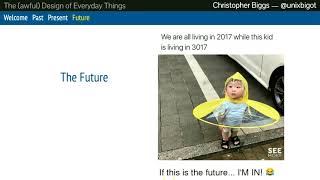
The Awful Design of Everyday Things
Explore how IoT can reduce cognitive burden in daily life, reimagining homes and workplaces for improved efficiency and convenience through smart design and automation.

Fonts and Math
Explore the intersection of font design and mathematics, covering topics like nib pens, Donald Knuth, railroad tracks, and differential equations. No advanced math knowledge required.
Film Freedom - Making and Releasing Films with Free Software
Explore open-source filmmaking tools and free culture funding models. Learn about KitCAT virtual studio system, Lib-Ray alternative to DVDs, and the Lunatics! animated series project.
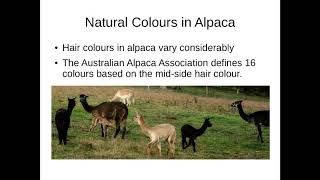
Revisiting Cross-Stitch Generation with a Restricted Palette
Explore creating cross-stitch art with a restricted sepia palette using Python. Learn to generate graphs for natural alpaca fiber colors and overcome challenges in the process.

Information Architecture - Build It Better
Explore practical tools for improving information architecture, including content inventory, card sorting, and user testing. Learn to enhance user experience and reduce support load.

Opening a Treasure Trove - The Historical Aerial Photography Project
Explore Australia's changing landscape through a digitized aerial photography archive, featuring open-source solutions for metadata management and image discovery across multiple agencies.

Affordable Custom Input Devices
Explore building affordable, customized input devices using open-source tech to empower individuals with disabilities, enhancing computer interaction and environmental control.
Professional Quality Layout Design with Scribus
Comprehensive tutorial on Scribus for professional layout design, covering document setup, layout elements, text styling, color management, and PDF export. Ideal for beginners seeking to master this powerful open-source tool.