Forensic Archaeology and Anthropology MOOC Support Videos
Learn techniques for creating osteological profiles, including sex determination, age estimation, stature calculation, and skeletal pathology analysis in forensic contexts.
Archaeological Anthropology
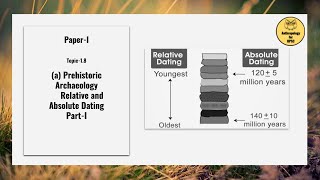
Explore prehistoric archaeology, dating methods, and cultural evolution from Stone Age to Iron Age in this comprehensive examination of human history and technological advancements.

Archaeological Dating Methods
Explore various techniques used to determine the age of archaeological artifacts and sites, from radiocarbon dating to dendrochronology and stratigraphy.
Introduction to Ancient Greece
Explore ancient Greek civilization through its people, pottery, and architecture, with a special focus on the Battle of Marathon and its legendary messenger.

Cracking Ancient Codes - Cuneiform Writing with Irving Finkel
Explore the origins of cuneiform writing and its decoding, uncovering ancient secrets like the Noah's Ark story. Learn about this revolutionary invention that made history possible.
Prehistoric Art
Explore prehistoric art forms, cave paintings, and ancient artifacts from the Stone Age to Neolithic era, including famous sites like Lascaux and iconic sculptures.
A-Z of Archaeology
Comprehensive exploration of archaeological concepts, methods, and practices from A to Z, covering key topics like excavation, dating techniques, and material analysis.
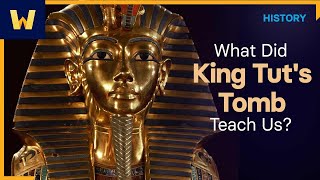
What Did King Tut's Tomb Teach Us - The Real Ancient Egypt
Explore ancient Egyptian tomb security, focusing on King Tut's discovery. Learn about protection measures, tomb robbers, and the significance of Tutankhamun's tomb for modern Egyptology.

Bronze Age Armor of Europe - Ancient History Documentary
Explore the evolution of European Bronze Age armor, from early metal helmets to full body protection. Discover the technological advancements and societal implications of these ancient defensive innovations.

AI, Archaeology, and Archives - How Data Science is Helping to Reveal Past Epidemics
Exploring malaria's impact through data science, integrating archaeological, historical, and genetic datasets to reveal socio-political influences on disease spread over the last 300 years.

Civic Life Interrupted: Pompeii's Architecture and Fate on August 24, A.D. 79
Explore Pompeii's ancient architecture and daily life, from public buildings to bakeries, culminating in a poignant account of the city's fate during Vesuvius' eruption in 79 AD.
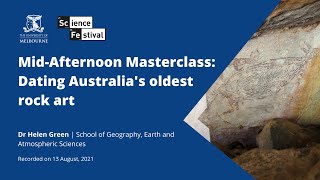
Mid-Afternoon Masterclass - Dating Australia's Oldest Rock Art
Explore scientific techniques for dating ancient Australian rock art, integrating traditional knowledge and western science to uncover the stories behind 12,700-year-old paintings.
The Future of the Human Climate Niche with Tim Kohler and Marten Scheffer
Exploring the narrow climate range suitable for human habitation and its implications for our future as global temperatures rise. Discusses adaptation challenges, migration pressures, and potential solutions.

The Hobbit of Flores Island: Brain Evolution and Intelligence in Miniature Humans
Explore the discovery of Homo floresiensis, a miniature human species from Indonesia, and its implications for brain evolution and intelligence in human ancestors.

A Cooperative Species - Evolutionary Origins of Human Altruism - Lecture 1
Explore the evolutionary origins of altruistic cooperation, challenging traditional notions of 'selfish genes' and Homo economicus through archaeological, genetic, and climatic evidence.
The Decline of Classic Maya Civilization - A Systems Perspective
Explore the systemic factors behind the decline of Southern Maya Lowlands cities around 800 AD, challenging previous collapse theories and examining new archaeological and environmental insights.
Maya Archaeology and Its Relevance to the Modern World
Explore ancient Maya civilization's sustainability lessons and societal resilience, gleaned from new evidence on the decline of major cities, and their relevance to contemporary global challenges.

How Insights from Archaeology Might Help Shape Our Future
Exploring how archaeological approaches provide new perspectives on modern problems, offering insights to shape our future beyond traditional data interpretation.
Complex Adaptive Systems and the Depopulation of Mesa Verde
Explore how complex adaptive systems reveal factors behind Mesa Verde's depopulation, including resource overuse, high population density, and environmental vulnerabilities in the face of prolonged droughts.
Time Design: Exploring Concepts of Time Across Disciplines - InterPlanetary Festival 2018
Explore time's multifaceted nature through biology, archaeology, and physics in this panel discussion featuring experts Stefani Crabtree, Martine Rothblatt, and Van Savage.
Reading Ancient Minds: Metaphor, Culture, and Complexity
Explore how cognitive science and archaeology reveal the impact of conceptual metaphors on human societies, challenging traditional views on cultural influence throughout history.