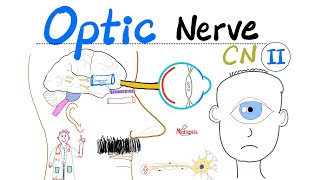
Optic Nerve and Visual Pathway - Cranial Nerve 2 (CN II) - Neuroanatomy Series
Comprehensive exploration of the optic nerve's anatomy, function, and pathway from retina to visual cortex. Covers structure, connections, and potential impacts of damage on vision.

Forensic Science: Secrets of a 1,000-Year-Old Skeleton - Christmas Lecture 1
Professor Dame Sue Black explores forensic science through the story of a 1,000-year-old skeleton, revealing innovative techniques in victim identification and criminal conviction using vein pattern analysis.

The Endocrine Pancreas - Insulin, Glucagon & Somatostatin
Explore pancreatic hormones: insulin, glucagon, and somatostatin. Learn about islet cells, their functions, and roles in regulating blood glucose levels. Ideal for medical exam preparation.

Blood Vessels - Arteries, Arterioles, Capillaries, Venules & Veins - Biology
Comprehensive overview of blood vessel types and functions in the circulatory system. Explores structure and roles of arteries, arterioles, capillaries, venules, and veins in blood transport and distribution.
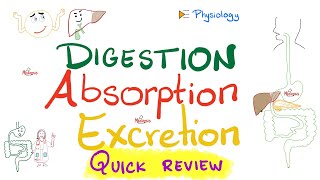
Gastrointestinal Physiology - The Ultimate Quick Review
Comprehensive overview of GI physiology, covering processes from chewing to elimination. Explores digestive organs, enzymes, hormones, and key physiological mechanisms for optimal understanding.
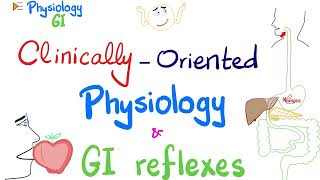
Pathophysiology of Gastrointestinal Diseases and Gastrointestinal Reflexes
Explore gastrointestinal pathophysiology and reflexes, focusing on digestive system disorders, liver and pancreas function, and conditions like lactose intolerance and vomiting.
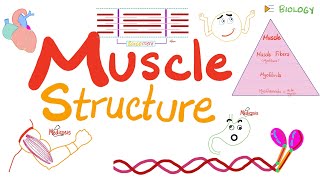
Muscle Structure - Biology Series
Explore muscle histology, focusing on key structural components and their functions. Gain insights into muscle tissue organization for enhanced understanding of musculoskeletal biology.
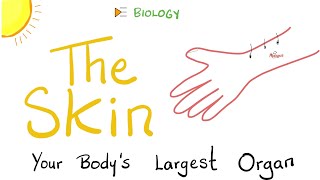
The Skin - Integumentary System
Explore the skin's structure, functions, and importance as the body's largest organ. Learn about its protective role, sensory capabilities, and role in temperature regulation.

Embryology and Anatomy of the Kidney
Comprehensive exploration of kidney embryology and anatomy, covering development, structure, and function. Essential for medical students preparing for exams and healthcare professionals seeking in-depth understanding of renal systems.

Anatomy of the Upper Limbs - Quick Review - Brachial Plexus
Comprehensive review of upper limb anatomy, covering nerves, muscles, bones, and joints. Focuses on brachial plexus and key structures for medical students and professionals.

Connective Tissue - Structure and Function in Histology
Comprehensive exploration of connective tissue structure, function, and histology. Covers various types, their roles in body support, and importance in organ systems and physiological processes.
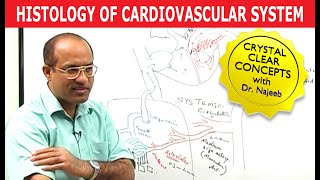
Histology of the Cardiovascular System
Explore the structure and function of the cardiovascular system, including heart, arteries, veins, and capillaries. Learn about circulation types and blood vessel anatomy.
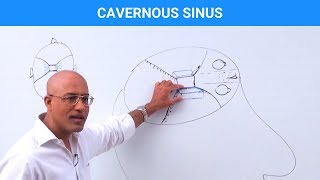
Cavernous Sinus - Structure and Function
Comprehensive exploration of the cavernous sinus anatomy, including its structural components and physiological roles in the human body. Ideal for medical students and healthcare professionals.
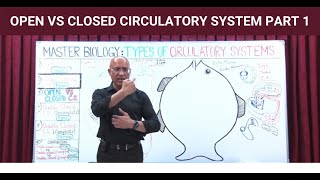
Open vs Closed Circulatory Systems - Biology
Comprehensive exploration of open and closed circulatory systems, comparing their structures, functions, and evolutionary significance. Ideal for NEET and GCSE biology exam preparation.

Types of Circulatory Systems - Cardiovascular Biology
Comprehensive exploration of circulatory systems, covering cardiovascular anatomy, blood composition, and lymphatic function. Ideal for NEET and GCSE biology exam preparation.
Cardiovascular System Function - Circulatory System
Comprehensive overview of cardiovascular system functions, including nutrient transport, body protection, and temperature regulation. Ideal for NEET and GCSE exam preparation.
Cardiovascular System and Circulatory System - Biology Overview
Comprehensive overview of the cardiovascular system's structure, function, and development. Explains its vital role in maintaining homeostasis and transporting essential materials throughout the body.
Autonomic Nervous System - Neurology and Neuroanatomy - Part 2
Comprehensive exploration of autonomic nervous system functions, comparing sympathetic and parasympathetic effects on various organs and tissues, with detailed physiological mechanisms and clinical correlations.

Respiratory System Anatomy: Pharynx, Larynx, Trachea, Bronchi, and Alveoli - Part 1
Comprehensive exploration of the respiratory system's anatomy and function, covering the pharynx, larynx, trachea, bronchi, and alveoli. Ideal for medical students and healthcare professionals seeking in-depth understanding.
Epithelium and Its Types - Classification and Location
Comprehensive overview of epithelial tissue types, their classifications, and locations in the body. Covers structure, function, and importance in various organ systems.
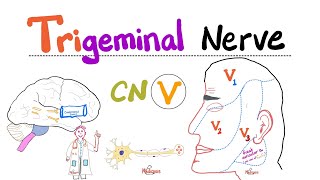
Trigeminal Nerve - 5th Cranial Nerve - CN V - Ophthalmic - V1, Maxillary - V2, and Mandibular - V3
Comprehensive exploration of the trigeminal nerve's anatomy, including its three branches and associated sensory and motor functions in the face and jaw.