
The Distributional Impact of Public Policy
Explore the impact of monetary policy on inequality, examining empirical evidence and discussing the role of distributional considerations in central bank decision-making.
Economy for UPSC Mains - IAS
Comprehensive UPSC Mains preparation focusing on economy, covering key topics, current affairs, and answer writing techniques for IAS aspirants.
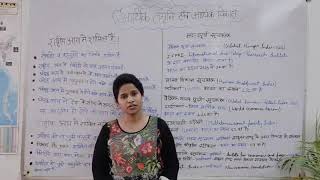
BHARTIYA ARTHVYVASTH
भारतीय अर्थव्यवस्था की व्यापक समझ: आर्थिक विकास, उद्योग, कृषि, सेवा क्षेत्र, नीतियां, गरीबी, बेरोजगारी, मुद्रास्फीति, कर संरचना, अंतरराष्ट्रीय संगठन और जनसांख्यिकी सिद्धांत।
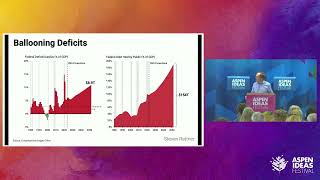
If the Economy Is Still Good, Why Are Americans So Grumpy? - Chart-Talk Analysis
Steven Rattner analyzes the disconnect between positive economic indicators and low public confidence using charts from MSNBC and NYT, exploring why Americans feel pessimistic despite a strong economy.

Economic Consequences and Opportunities of Covid-19 - A Conversation with Hank Paulson
Explore economic impacts of Covid-19, including job losses and structural deficits. Discuss potential solutions like carbon dividends, regulatory reform, and international cooperation with former US Treasury Secretary Hank Paulson.

Is There a Cure for Slow Growth? - Economic Policy Analysis
Explore potential policy changes to boost economic growth with experts John Fernald and Austan Goolsbee, discussing employment, output, and wage trends in the US and globally.

The Importance of Community for Youth Development
Exploring youth unemployment in Bosnia and Herzegovina, this talk challenges stereotypes and emphasizes community's role in personal growth, inspiring change through technology and youth empowerment.
Economic Envy - The Real State of the American Economy
Explore the paradox of America's strong economic indicators versus everyday financial struggles. Gain insights into consumer trends, lending patterns, and the future economic landscape.
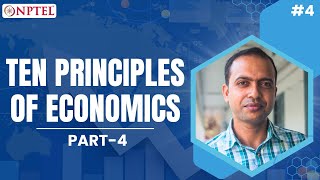
Ten Principles of Economics - Part 4: Macroeconomic Principles
Explore macroeconomic principles: government's role in price control, money and inflation, and the trade-off between inflation and unemployment.
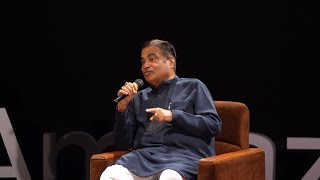
Beyond Roads, Bridges - India's Innovation Quest via Sustainability
Nitin Gadkari discusses India's innovative approach to solving national issues through sustainable infrastructure, agriculture, and entrepreneurship, highlighting the impact on unemployment and resource accessibility.
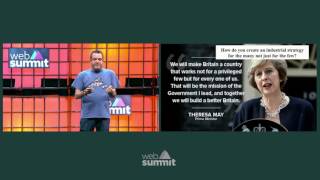
Majority World Report - Saul Klein at Web Summit
Saul Klein explores the global tech landscape, discussing entrepreneurship, economic shifts, and the industry's role in a changing world post-Brexit and post-Trump.

5 Things Every Malaysian Should Know About Their Economy But Don’t | Apurva Sanghi | TEDxKL
Malaysia’s share of the global economy may be only less than 1% but its story is bigger than you think. Apurva Sanghi shares five essential and perhaps surprising truths about Malaysia’s economy – and why its future depends on what Malaysians do next. Apurva Sanghi is the World Bank Lead Economist