Health Equity Among Native Hawaiians and Other Pacific Islanders - Combating Structural Racism in Data
Explore data disaggregation and inclusion of Native Hawaiians and Pacific Islanders in medical research to combat systemic racism and address health disparities specific to these populations.

Can Medicine Become More Equitable? - Addressing Racial Disparities in Healthcare
Exploring racial disparities in healthcare, experts discuss progress, challenges, and strategies for achieving equity in medicine, emphasizing the need for systemic change and cultural transformation.
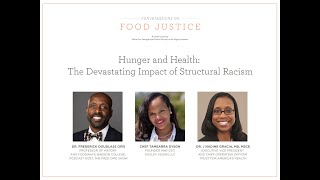
Hunger and Health: The Devastating Impact of Structural Racism
Explore the profound connection between structural racism, hunger, and health outcomes, examining systemic inequalities and their far-reaching consequences on marginalized communities.

Structural Racism in Medicine - A Killer Disease and Public Health Crisis
Experts discuss the history and impact of structural racism in American medicine, exploring its effects on healthcare disparities and proposing solutions for dismantling systemic inequalities.
Language Has Super Powers - Can Destroy Souls or Build Nations
Explore how language shapes identity, education, and nation-building, with insights from Haiti's history. Learn about linguistic diversity's role in fostering justice and inclusive societies worldwide.
Racism and Involuntary Psychiatric Commitments
Explore the link between structural racism and involuntary psychiatric commitments, examining racial disparities in mental health outcomes and the impact of social frustration on vulnerable groups.
How to Dismantle Structural Racism in Health
Explore strategies to address structural racism in healthcare, focusing on equitable access, community conditions, and wealth disparities to improve health outcomes and reduce racial inequities.

Ateşten Algoritmaya / İnsanlığın Yapay Zeka ile Denge Arayışı | OKAN ALGÜN | TEDxYeniYolSchools
Asıl mesele yapay zekanın varlığı değil, onunla kurduğumuz ilişki biçimidir. Yapay zeka ne iyi ne de kötüdür; onu yönlendiren, sınırlayan ve anlamlandıran insan iradesidir. Bu nedenle geleceği belirleyecek olan şey “yapay zeka bize ne yapacak?” sorusu değil, “biz insan olarak nerede duracağız?” soru

Can a drug house be a home? | Maryellen Gibson | TEDxUniversityofSaskatchewan
When most doors are closed to them, where can someone find home? Society often rejects and stigmatizes people who use drugs, leaving them feeling unwelcome everywhere, but drug houses can provide a sense of belonging and safety when all other doors are closed. Drawing on stories of lived expertise,

Death Decolonized: How Black and Brown Communities Face Loss | Yexandra Diaz | TEDxNewHaven
In Western society, death is treated as taboo. Confined to sterile settings and largely addressed through palliative care, the conversation often isn't had until it's too late. Death Decolonized invites us to reimagine death care by reclaiming ancestral wisdom, addressing unprocessed grief and creat
Ubuntu: The Work of Racial Healing | LaJune Montgomery Tabron | TEDxBoston
Healing is not abstract—it is personal, collective, and deeply necessary. Drawing from her memoir How We Heal and her leadership in advancing racial equity, LaJune Montgomery Tabron explores what it truly takes to repair the divisions that shape American life. Through stories of racial healing circ

Sankofa and the American Evolution: Going Back to Move Forward | Tulaine Montgomery | TEDxBoston
What does it mean to "go back and get it" -especially when the very premise of democracy feels fragile? Drawing on the Akan concept of sankofa, Tulaine Montgomery invites us to reflect on America's approaching 250th anniversary with honesty and courage. She names the country's central contradiction: